



Gray market peptides blur drug and supplement distinctions, raising health risks

Key takeaways
- Peptides like BPC-157 cannot be legally sold as dietary supplements — regulators treat them as unapproved drugs, not nutrients.
- Consumers are “stacking” these grey-market peptides with conventional supplements, blurring the line between pharma and nutrition.
- With little human clinical data and rising social-media-driven demand, experts across three countries are calling for tighter regulation and surveillance.

As consumers are increasingly using unapproved peptides, short chains of amino acids, hoping to enhance their health, focus, and appearance, experts are calling for increased regulations and research. Legal specialists are warning that this issue, worsened by social media influencers, is blurring the lines between drugs, supplements, and wellness.
Nutrition Insight speaks with the authors of a recent JAMA manuscript who warn that synthetic peptides are moving quickly from research into mainstream markets. Social media platforms are promoting synthetic peptides for muscle growth, injury recovery, anti-aging, and cognitive enhancement, resulting in over 130,000 Instagram posts and over 230 million views on TikTok as of last May.
Although some peptides are clinically approved and used in healthcare, many are compounded or sold online through telehealth services and “research chemical” vendors, the experts warn.

Meanwhile, healthcare law firm Holt Law underscores that it is becoming increasingly common for health entrepreneurs and digital growth teams to sell peptides as nutrients, creating “structural vulnerabilities” when treating advanced peptides as over-the-counter dietary ingredients.
For example, BPC-157, an unapproved peptide under supplement law, is promoted to “protect organs from damage or to speed up the healing and recovery of wounds” and “enhance physical and mental performance, promote gut and joint health, or manage inflammation.” It has been detected in health and wellness products, reports the US Department of Defense’s Operation Supplement Safety.
“In the current heavily monitored regulatory marketplace, a peptide is not a legally recognized subcategory of consumer supplements; it is an unmonographed molecular compound that federal authorities govern under an entirely separate, highly restrictive drug classification framework,” Holt Law clarifies.
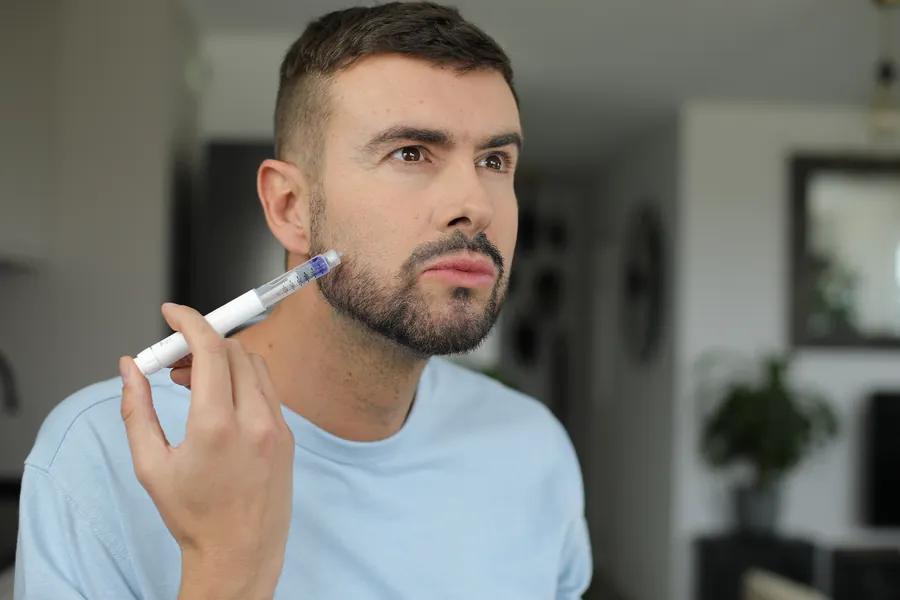 Synthetic peptides are moving rapidly from research into consumer markets, promoted heavily by social media influencers.“The core operational tension is that e-commerce brand owners and wellness platforms deploy aggressive direct-to-consumer digital marketing and retail markup strategies to scale peptide sales like standard vitamins, while federal enforcement agencies and payment networks use the strict Objective Intent Doctrine and active ingredient prohibitions to reclassify peptide operations as unauthorized drug distribution rings.”
“Peptide craze”
Dr. Timothy Piatkowski, a National Health and Medical Research Council emerging leadership fellow from the school of public health at the University of Queensland, Australia, tells us that the synthetic peptide trend is comparable to the rise of GLP-1 weight loss drugs as seen in the case of the unapproved triple agonist retatrutide.
“Although currently in phase 3 trials, it has been purchased illicitly and used via unregulated markets by many people,” he adds. His JAMA publication describes peptides as operating in a “grey zone” between medicine, wellness, and illicit markets.
Piatkowski explains that a diverse cohort of people is using these illegal peptides, starting from 16-year-olds through to 70-year-olds. “There will be a subset, similar to those who are using steroids, that engages in many other lifestyle practices like supplement use.”
The rising use of illicit peptides reflects a broader movement where consumers are “stacking” peptides with supplements, where pharma and nutrition become blurred.
Reflecting on how the “peptide craze” is shaping how consumers think about nutrition, Piatkowski observes a growing gap between science-based communication and the influencer economy. “People are selling peptides and their own personal advice under the guise of evidence. This financial interest puts people’s health at risk.”
Misinformation: A public health threat
The rise of misinformation is seen in parallel among supplement and nutrition-conscious consumers.
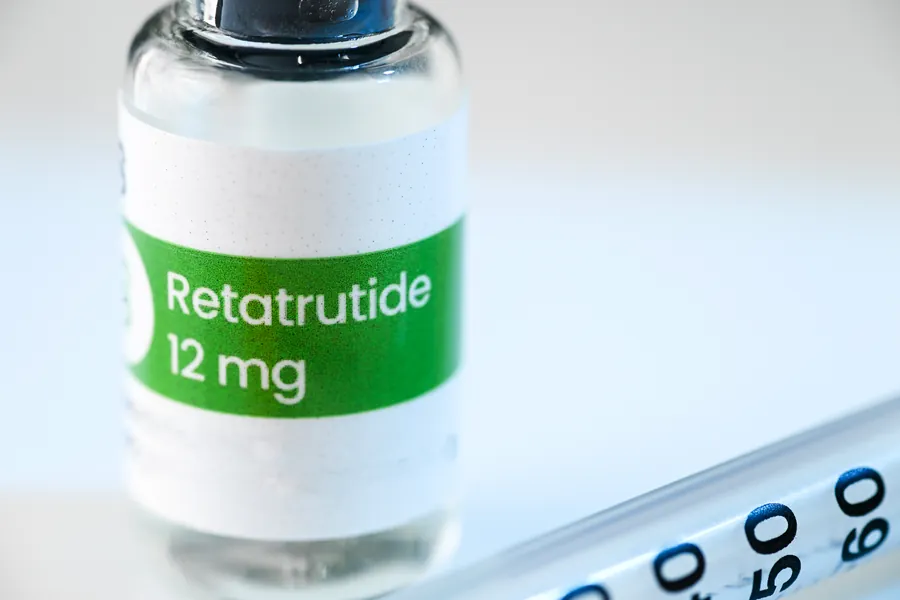 Retatrutide has been purchased illicitly and used via unregulated markets by many people, says Piatkowski.A study recently revealed that “fitspiration,” the social media trend of motivational content around healthy diets and exercise, negatively impacts youth by promoting unrealistic body standards, poor self-esteem, and unhealthy eating habits.
Other research warned that following the nutrition advice of 53 social media “super-spreaders” could put up to 24 million people at risk of serious health consequences. With no health- or nutrition-related qualifications, these influencers sell misinformed practices for profit, including biohacking therapies, medical conferences, and promoting keto, carnivore, or raw milk diets.
Experts previously warned of a sharp increase in services for women seeking menopausal relief, with concerns about their reliability and potential bias. They cautioned against hormone testing and unverified supplements, blaming the commercialization of women’s health for driving this trend.
The role of social media health influencers has become a force that can no longer be ignored by the industry. Gen Z’s health supplement choices are increasingly being encouraged by online content creators.
Balchem told Nutrition Insight that suppliers can help build back consumer trust through visible human evidence, transparent dosing, and rapid misinformation corrections.
Brandy Webb, N.D., Scientific Affairs manager at Probi, previously told us that the industry is increasingly encountering peptides and gray market products and calls for confronting the issue.
She advised that companies can protect themselves by leading with science and transparency to differentiate themselves from bad actors. This is where human data, clinically supported doses, come into play. Industry players should convey this data and the underlying mechanism of how their solutions work to the consumer and regulators.
Webb also called for avoiding drug-like and pharma claims, such as supplements replacing drugs like GLP-1s. Instead, she recommends companies focus on making claims focused on supporting health pathways.
Potential health risks
Many synthetic peptides are sold as “for research only,” even though people are injecting them for enhancement, leaving questions open about their health impacts. This could become increasingly pressing for nutrition professionals as the medications could interact with supplements, impacting metabolism and appetite regulation.
 Nagata warns of a thin evidence base on real-world health effects and are calling for stronger research, surveillance, and harm-reduction guidance.“The biggest gap is that we know relatively little about the real-world health effects of these peptides because most have not been studied in rigorous human clinical trials,” Jason Nagata, M.D., associate professor of pediatrics at the University of California in the US, tells us.
“We need research on the short- and long-term medical consequences of peptide use, including cardiovascular, metabolic, endocrine, liver, and mental health effects, as well as potential interactions with other medications and supplements.”
He further calls for understanding the risks adolescents and young adults face as their bodies are developing. This group is also vulnerable to information from social media about performance and appearance enhancement.
“In addition, we need stronger surveillance systems to monitor adverse events and better epidemiologic data on who is using these products, how they are being obtained, and why people are using them,” urges Nagata.
“Without a stronger evidence base, policy responses will continue to lag behind real-world use.”
Call for rigorous research
Piatkowski calls for providing people with evidence-based information about what is in these illicit peptides, as his team did with RoidCheck — the world-first anabolic-androgenic steroid drug checking program.
 Some peptides occupy a legal grey zone where they aren’t recognized as dietary ingredients but are sold as if they were, explains Piatkowski.“We also need to provide people with harm reduction guidance for safer injecting and blood-borne virus prevention. We also need health literacy guidance for our younger cohorts in how to engage with this information and sport misinformation online.”
Moreover, Nagata suggests that future research should focus on who is using peptides and why. Additionally, looking into long-term health consequences focused on adolescents and young adults.
“We also need better population-level surveillance to track peptide use, adverse events, and emerging trends. Greater investment in research and surveillance will help clinicians and public health professionals make evidence-based recommendations and better protect public health.”
Additionally, Piatkowski calls for longitudinal population-level data on peptides to model risk typologies and detect and report harm clusters. “Luckily, we are working on an international cohort study triangulating evidence between our three nations [Australia, Canada, US].”
National warnings
Recently, the US FDA issued concerns about unapproved GLP-1 drugs, sharing that it is working with state regulatory partners and will continue to converse with compounders. It reports cases of fraudulent compounded drugs, dosing concerns causing hospitalizations, and illegal online sales of drugs.
Australia’s Therapeutic Goods Administration has also released a similar document outlining “serious adverse effects” linked to unapproved peptides, such as BPC‑157, GHK‑Cu, TB‑500, retatrutide, and CJC‑1295.
Health Canada similarly warns against unauthorized injectable peptide drugs “often promoted online and on social media for ‘anti-aging,’ weight loss, bodybuilding, athletic performance, injury recovery, sleep, mental focus, or general ‘wellness.’”