



Can supplements mimic GLP-1? Bragg’s metabolic support launch fuels weight loss debate

Key takeaways
- Bragg’s new supplement uses apple cider vinegar and botanical extracts to stimulate the body’s metabolism and naturally increase GLP-1 release.
- Unlike high-dose pharmacological drugs, these natural ingredients offer modest metabolic support without the risks of muscle loss or significant side effects.
- The company says dietary supplements should be viewed as supportive tools for lifestyle changes rather than “magic bullet” replacements for medical treatments or healthy habits.
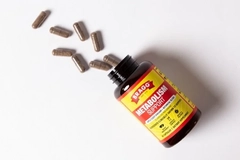 (All image credits: Bragg).
As rapid weight-loss GLP-1 medications gain more mainstream attention, consumers are increasingly asking whether supplements can “do the same thing,” highlights Bragg. The wellness brand has recently launched a Metabolism Support Supplement that blends its apple cider vinegar with a hibiscus (Hibiscus sabdariffa) flower extract and a lemon verbena (Lippia citriodora) leaf extract.
Nutrition Insight speaks to Dr. Jeffrey Blumberg, professor emeritus at Tufts University, US, and the scientist behind Bragg’s Metabolism Support Supplement, who details the nuances between pharmacological and nutritional solutions for weight loss.
Blumberg says there is no single “magic bullet” for weight management, while explaining how evidence-based supplements and everyday dietary choices can work together as supportive tools rather than substitutes for medical treatment or healthy routines.

He emphasizes that sustainable weight management depends on creating the right environment inside the body through balanced digestion, consistent eating patterns, and lifestyle habits that support metabolic health over time.
What are the studied weight loss benefits of Bragg’s new product launch?
Blumberg: Bragg’s Metabolic Support dietary supplement is formulated with apple cider vinegar — containing 750 mg of acetic acid — and 500 mg of a blend of a hibiscus flower extract and a lemon verbena leaf extract.
At these doses, these botanical ingredients have been tested separately in multiple clinical trials, with results published in several peer-reviewed scientific journals, demonstrating their ability to support healthy weight management.
.webp) Bragg Metabolism Support Supplement.It is helpful to put the use of GLP-1 drugs like semaglutide and tirzepatide, as well as dietary supplements such as Bragg’s Metabolism Support, in the context of helpful adjuncts to lifestyle changes, particularly regarding healthy dietary patterns and exercise, rather than the converse, where people expect drugs or supplements to be a “magic bullet” solution to overweight and obesity requiring no change in behavior.
Bragg Metabolism Support Supplement.It is helpful to put the use of GLP-1 drugs like semaglutide and tirzepatide, as well as dietary supplements such as Bragg’s Metabolism Support, in the context of helpful adjuncts to lifestyle changes, particularly regarding healthy dietary patterns and exercise, rather than the converse, where people expect drugs or supplements to be a “magic bullet” solution to overweight and obesity requiring no change in behavior.
What metabolic pathways can supplement ingredients meaningfully support, compared to the pharmacological mechanisms of GLP-1 drugs?
Blumberg: The principal bioactive components of hibiscus and lemon verbena are dietary polyphenols, specifically anthocyanins in hibiscus and verbascosides (phenylethanoid glycosides) in lemon verbena.
The acetic acid in apple cider vinegar is found in several fermented foods and is also the predominant short-chain fatty acid postbiotic found in the human gut.
These compounds work individually and together through several mechanisms of action, including stimulating the body’s metabolic master switch — AMP-activated protein kinase (AMPK), an enzyme that acts to burn stored fat and inhibit the creation of new fat cells. This increases the release of the hormone GLP-1, stabilizes the concentration of the hunger hormone ghrelin, and promotes beneficial gut bacteria associated with reducing inflammation and maintaining a healthy weight.
In contrast to these natural actions and their biorhythms, GLP-1 receptor agonist drugs are synthesized to achieve much higher concentrations and last up to 10,000 times longer in the body than natural GLP-1, which is mostly produced by intestinal cells.
What are your thoughts on the current quality of medical nutrition advice around GLP-1?
Blumberg: The quality of medical nutrition advice accessible to the public regarding GLP-1 varies dramatically by source. Regrettably, there often appears to be more readily available nutrition misinformation and disinformation than accurate and carefully considered material.
While many media reports tout the remarkable effectiveness of GLP-1 drugs (and their great expense) for weight loss, few address the serious side effects associated with their use, such as loss of skeletal muscle (and the risk of sarcopenia) and bone mineral density (and the risk of osteomalacia and osteoporosis), and the weight gain that typically follows their discontinuation.
These risks are not associated with the use of dietary supplements indicated for weight maintenance, as they have more modest effects that induce caloric deficits. Randomized clinical trials of apple cider vinegar and of hibiscus and lemon verbena have shown these ingredients to be safe and free of any significant adverse effects.
How can F&B product formats be tailored for GLP-1 patients?
Blumberg: People using GLP-1 medications eat significantly less than they did before treatment, creating a deficit not only in calories but also in essential macronutrients like protein and micronutrients, such as vitamins and minerals.
The food and nutrition marketplace has developed nutrient-dense hydration and gut health products to address gastrointestinal issues like constipation and nausea, as well as protein-rich mini-meals in bars and snacks to help reduce drug-induced muscle loss.
GLP-1 users may also experience new aversions to greasy, spicy, or very sweet foods, so “clean” foods (no grease or spice) and sensory-adjusted snacks with an umami flavor are growing in popularity.