




Industry responds to GLP-1 users shopping for protein-rich and fresh foods

Key takeaways
- GLP-1 users are purchasing more fresh produce and protein-rich foods while significantly cutting back on snacks and sugary drinks.
- Food brands and restaurants are reformulating menus and products to emphasize smaller portions, high protein, and nutrient density.
- Most patients report a healthier relationship with food, with many noting a positive ripple effect on their entire household’s eating habits.
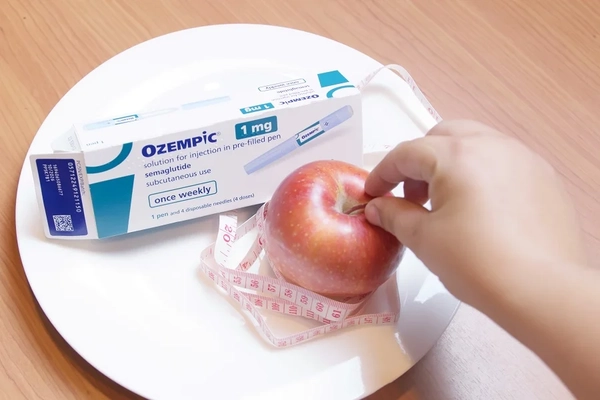
New consumer research on the impact of GLP-1 medications on shopping habits reveals that many consumers on these weight loss therapies have made positive adjustments to their grocery lists.
As a knock-on result, restaurants have been redefining their nutritional baselines, while food industry formulators are tailoring ingredient lists to more accurately reflect what these consumers need.
These “halo” effects skew higher for Gen Z and Millennial consumers, reveals Acosta Group, which published the findings.
“The behavioral profile of a GLP-1 user closely aligns with trends that are already gaining momentum with Gen Z — smaller portions, higher protein, more fiber, and greater nutrient density,” says Betty Kaufman, director of strategy for San Francisco-based The Culinary Edge, part of CORE Foodservice, an Acosta Group agency.

Kaufman stresses that GLP-1s aren’t creating new preferences as much as accelerating and reinforcing ones that are already taking shape.
Research priorities
When supporting their weight loss journeys, 70% of all GLP-1 consumers conduct product or health research, notes Acosta Group. Gen Z and Millennials are primarily researching online, through social media (57%), AI apps and websites (41%), and retailer apps and websites (38%), while also using in-store resources.
“Savvy brands and retailers are responding, dialing up integrated content and marketing plans to support GLP-1 messaging and education where it matters most — and we anticipate other cohorts will expand their reliance on these same digital tools,” says John Carroll, president of Connected Commerce for Acosta Group.
Notably, the study reflects that “GLP-1 Friendly” labeling can be polarizing for some, raising questions about taste, nutrition, and applicability.
“As GLP-1 usage continues to grow, it will be critical for brands to deeply understand their core customers to capture the right omnichannel messaging and drive growth,” explains Carroll.
Key categories of interest
The survey gathered inputs from 2,117 total US adults and 213 current GLP-1 users. Respondents are part of the company’s proprietary Shopper Community, comprising over 40,000 demographically diverse shoppers across the US.
Categories of interest among all GLP-1 consumers, particularly Gen Z and Millennials, include high-protein, high-fiber, hydration/electrolyte, and gut health products, which stress the importance of embedding protein-forward and nutrient-dense products into innovation pipelines.
In recent months, GLP-1-tailored product development has become more refined. For instance, Maeva recently debuted a “first of its kind” clinically informed, low-calorie, customizable range for weight loss patients, which includes products featuring probiotics, enzymes, and superfoods selected to address the specific nutritional problems that tend to arise during therapy.
“We recognize the power of this younger cohort to indicate trends across categories and channels, informing what broader consumer segments will want to see on the shelf in the near future,” says Mark Rahiya, group president of omnichannel sales and services, including the Acosta and Crossmark sales agencies, for Acosta Group.
“We’re encouraging brands and retailers to innovate and refine new concepts before they become table stakes, positioning for growth with all wellness-focused consumers.”
In particular, GLP-1 consumers are purchasing more fresh produce (55%), yogurt (32%), fresh chicken (31%), protein shakes and powders (30%), and protein bars (29%). Conversely, fewer sweets (58%), salty snacks (44%), and sugary drinks (41%) were added to their in-store and online shopping carts.
“We’ve learned that consumers using a GLP-1 for weight loss are experiencing additional positive emotional and behavioral impacts, ranging from their relationships with food to how they feel about their personal appearance to what they want to buy and how they want to dine,” adds Kathy Risch, SVP, thought leadership and shopper insights for Acosta Group.
Shifts in home-cooked meals
When using a GLP-1 for weight loss, nearly all consumers report a shift in their relationship with food. Notably, 41% are pleased with the healthier changes they’ve made, while half of these consumers report a positive impact on their household’s overall eating habits, with that percentage increasing to 79% for Millennials.
“These are not fringe movements. They are signals of a rising standard that Gen Z increasingly expects across restaurant and retail environments,” says Kaufman.
While 34% of all consumers using a GLP-1 for weight loss report that they are dining out less, the survey finds 48% of Gen Z and Millennials are dining out more.
When eating out, 48% of these younger demographics are dining at the same restaurants but being more mindful of what they order. Also, 42% say they are more often sharing a main entrée.
Restaurants, in response, are actively establishing a new nutritional baseline: high-protein formats for smaller, nutrient-dense meals; partnerships to bring clinical nutrition into fast casual; and the introduction of high-protein menu builds.