




Obesity research: Animal models outpace human studies, stalling real-world strategies

Key takeaways
- Obesity research grows, but animal studies rise yearly while human studies lag.
- This imbalance slows translation to effective prevention and treatment strategies.
- Energy balance — dietary intake minus expenditure — needs more human data for real-world solutions.
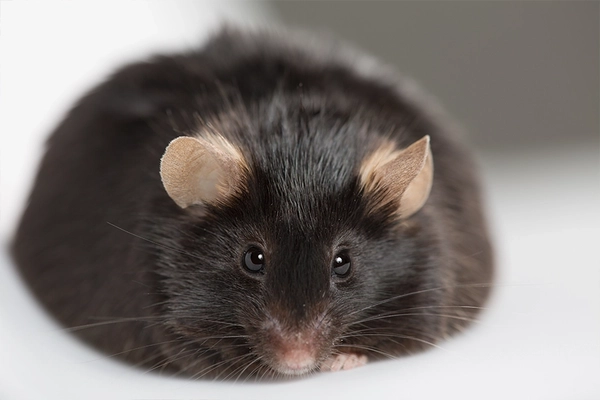
Research has found that although there is an increase in obesity research, scientists are heavily relying on animal models over human studies. A new review calls for experts to conduct more human research, specifically on energy balance, which is essential for effective prevention and treatment of obesity.
“Obesity is now the most prevalent chronic condition in high-income nations and is rapidly rising in low- and middle-income countries as well,” says review first author Dr. Sarah Purcell, an assistant professor of medical and health and exercise sciences at The University of British Columbia, Canada.
“Addressing this complex epidemic requires an in-depth understanding of the underlying drivers of energy balance, specifically the difference between dietary intake and energy expenditure.”

Energy expenditure includes the body’s full use of energy needed to support resting metabolism, physical activity, and diet-induced thermogenesis, according to the paper.
The team analyzed over 7,600 publications over the past decade, finding that animal research has risen over 10% annually. In comparison, human studies grew by only 4%.
Purcell underscores the need for a deep understanding of energy metabolism to address obesity effectively since it is now the most prevalent chronic condition worldwide. A slow growth in human studies could delay translating research into practical health solutions, she warns.
Reasons behind the trend
The Nutrition and Health study reviewed preclinical papers involving people and animals for clinical or biomedical purposes related to energy expenditure and dietary intake. The studies analyzed included interventions, longitudinal data, case studies, and mathematical modeling.
Of the 7,600 papers, 4,100 studies focused on animal models, while 3,462 were based on human models.
“Animal studies are growing much faster than human studies,” says study co-author Sarah Craven, a doctoral student at the University of British Columbia.
“While animal studies are still essential for uncovering insights that cannot be easily studied in humans, some aspects of energy balance research may be better addressed in human studies.”
She explains that the slow rate of human research might be caused by higher costs, complexity, and ethical constraints involved.
 The slow rate of human research might be caused by higher costs, complexity, and ethical constraints involved.“Animal studies often elucidate mechanistic processes not easily examined in humans. On the other hand, human research primarily involves clinical trials and implementation efforts,” explains the paper.
“While animal studies remain invaluable for uncovering mechanistic insights that cannot be easily investigated in humans, some aspects of energy expenditure research involving complex behavioral, environmental, and social influences may be better addressed in human studies because of their direct relevance and applicability.”
Animal studies may delay translation
The researchers laud the rise in scientific interest in chronic conditions affecting public health. Although it is encouraging to see research on energy expenditure and dietary intake grow, Purcell expresses concern that human studies aren’t keeping pace with animal studies.
“Obesity rates keep rising, and effective prevention and treatment depend on accurately understanding the balance between energy expenditure and dietary intake,” she emphasizes.
“But we have demonstrated where the gaps are in this field and that human research is lagging. The result could mean that it takes longer to translate those discoveries into real-world nutrition guidance, clinical care, and public health policy.”
Human obesity nutrition studies
To highlight obesity research conducted on humans, we spotlight recent studies. For instance, Trpti, Saanroo’s bioavailable form of oleoylethanolamid, was evaluated in a clinical trial in overweight adults. It was shown to enrich beneficial gut bacteria and improve gut barrier integrity and metabolic health.
Another study revealed that people lost twice as much weight eating minimally processed foods compared to ultra-processed foods — even when foods were nutritionally matched. The results suggest that reducing processed food consumption could be a practical strategy for long-term weight management.
Separate research found that eating the same meals every day with a consistent amount of calories helps people lose weight. During a 12-week trial, those who repeated meals lost more weight compared to those who ate a varied diet.