


Oncogenic microbiome: Bacteria, fungi, and viruses linked to colorectal cancer


Key takeaways
- Scientists identified an “oncogenic microbiome” — a specific pattern of bacteria, fungi, and viruses — occurring more frequently in colorectal cancer patients.
- The research aims to use this knowledge for the development of new diagnostic and therapeutic approaches for personalized prevention and treatment strategies.
- The PerMiCCion project is collecting comprehensive data on the microbiome of young cancer patients to potentially inform targeted nutritional strategies or novel probiotics.
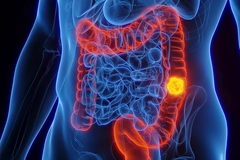
Scientists have identified a pattern of bacteria, fungi, and viruses that occurs more frequently in patients with colorectal cancer — making up an “oncogenic microbiome.” Collectively, these microorganisms may promote inflammation, form toxic or growth-promoting metabolic products, and ultimately influence the body’s immune response.
Preliminary knowledge about this microbiome will inform the Germany-based research team’s development of novel diagnostic and therapeutic approaches for personalized prevention and treatment strategies.
Running the project until 2030, the scientists aim to develop individually tailored preventive measures to help reduce the rising number of bowel cancer cases among people under age 50 in the long term.
“Our gut bacteria influence inflammation, the immune system, and even how tumor cells grow,” says Gianni Panagiotou from the Friedrich Schiller University Jena and the Cluster of Excellence “Balance of the Microverse,” who heads the department Microbiome Dynamics at the Leibniz Institute for Natural Product Research and Infection Biology, and Hans Knöll Institute.
“If we understand which microbes protect our health and which harm it, we can lay the foundation for personalized cancer prevention.”
Comprehensive data collection
The Personalized Microbiome-Based Approaches to Early Onset Colorectal Cancer Prevention, Diagnosis, and Management (PerMiCCion) study brings together six research institutions, three industrial partners, and three patient organizations.
Over the last four years, the study team built up one of the most comprehensive collections of data on the microbiome of young colorectal cancer patients in Germany.
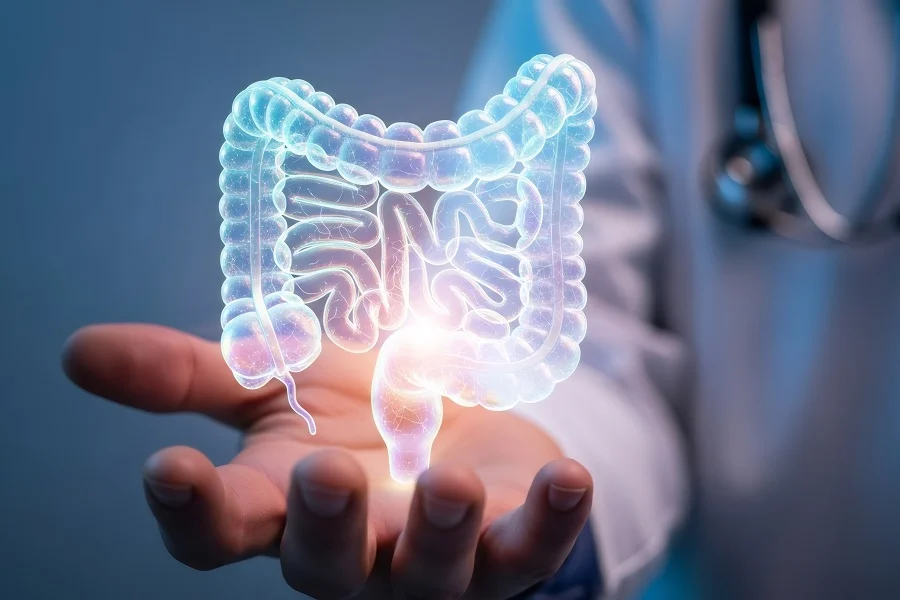 Human gut bacteria can influence inflammation, immunity, and tumor growth, highlight the study authors.Using genetic analyses of the gut microbiome, studies of microbial metabolites, computer-assisted evaluations, and machine learning models, they generated large datasets capturing microbial genetic material, metabolic activity, and nutritional factors.
In the next funding period, the scientists want to discover if certain gut microbes influence the risk of cancer, including in healthy young adults, and whether targeted nutritional strategies or novel probiotics can restore the microbiome balance.
Similar efforts are already underway, as scientists in a separate project published in the FEBS Journal previously discovered that certain gut microbes may lower the risk of cancer.
Researchers on another project looking into the mechanisms behind gut bacteria’s role in colorectal cancer risk found that the bacterial toxin colibactin triggers the rates of colorectal cancer among young people. The substance is produced by certain Escherichia coli strains that alter DNA.
Scientific partners and public support
In the second phase of the PerMiCCion project, the Foundation Perspectives for People (Perspektiven für Menschen), a societal outreach group, will join as a new partner to disseminate the results even more widely in society.
The project is currently funded by the German Federal Ministry of Research, Technology and Space as part of the German National Decade Against Cancer, which addresses the growing number of early colorectal cancer cases.
The European organization Digestive Cancers Europe is also supporting the project. “This close collaboration between science, patients, and politics is crucial in order to sustainably transfer cancer research into prevention,” says Panagiotou.
In addition to German scientific partner institutions from Bonn, Göttingen, Freiburg, Heidelberg, and Münster, the consortium also includes companies and three patient organizations.
Collaborating with the German Foundation for Young Adults with Cancer, “PerMiCCion” has published a German-language series of videos in which those affected talk about their experiences.
Dietary cancer interventions
While dietary and lifestyle influences on cancer development are not fully understood, research continues to shine a light on various aspects. Scientists looking at human saliva samples recently discovered that oral bacteria may be linked to pancreatic cancer risk.
One recent study found that diet can affect the efficacy of cancer therapies through interactions between phytochemicals in the liver and gut microbiome.
Other research found that microplastics can change the human gut microbiome, driving patterns linked to colorectal cancer and depression.
Beneficial bacteria may also be harnessed to unlock cancer-fighting properties in food. Last summer, Japanese scientists suggested that stevia leaf extract fermented with bacteria isolated from banana leaves may kill off pancreatic cancer cells without harming healthy kidney cells.