




Nitrogen metabolism: Gut microbes lower risk of cancer

Key takeaways
- Specific gut microbes — especially E. coli — rapidly detoxify dietary nitrites, preventing the formation of carcinogenic nitrosamines linked to cancer risk.
- Nitrogen metabolism is a key protective mechanism in which the microbiota mediates communication between diet, gut function, and systemic health.
- Researchers describe nitrite detoxification as a “probiotic property,” noting that even small amounts of E. coli can fully neutralize nitrite in minutes.
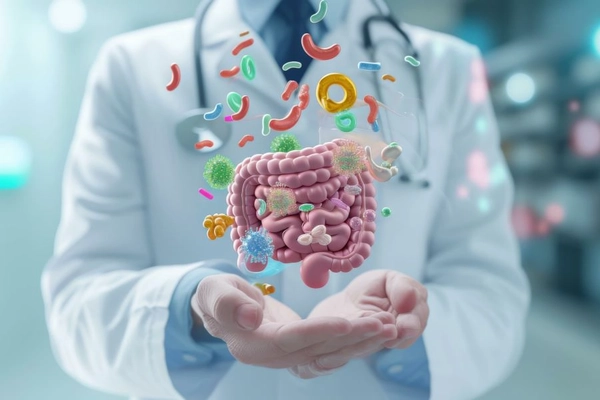
Scientists have discovered that certain gut microbes play an essential role in lowering the risk of cancer. They reveal how Escherichia coli and, to a lesser extent, Lactobacillus, Bacteroides, and Phocaeicola prevent cancer-causing compounds by metabolizing nitrogen.
These gut bacteria were found to metabolize dietary nitrates and nitrites into ammonia or nitric oxide, which hinders the formation of carcinogenic nitrosamines.
“The discovery that specific gut bacteria rapidly metabolize nitrite suggests a protective mechanism through which the microbiota contributes to the maintenance of intestinal and systemic health,” comments corresponding author professor Uwe Deppenmeier at the University of Bonn, Germany.
The nitrate cycle
According to the publication in The FEBS Journal, the gut microbiota plays an important role in nitrite detoxification. Nitrite levels should remain very low to allow nitrite-sensitive bacteria to colonize the gut.

The research underscores the importance of uncovering the metabolic properties of the microbiota, especially in nitrogen metabolism. However, the analysis of this cycle in the gastrointestinal tract is lacking, the researchers stress.
Nitrate is found in daily diets, such as in leafy greens and beets, as well as processed and cured meats.
The study highlights that the oral cavity is essential for initially bioactivating dietary nitrate. The nitrate-nitrite-nitric oxide axis has emerged as a key link between the microbiome and host physiology.
“Probiotic property”
The study used single bacterial strains for testing. It found: “The reduction of the total nitrite content in the colon by E. coli would require less than two minutes, indicating that even a small number of E. coli cells are able to completely detoxify nitrite in the colon in a very short time period.”
Researchers call this ability to detoxify the colon a “probiotic property.”
“The ability to reduce the nitrite content of the human large intestine may contribute to the probiotic effects of this bacterium.”
“In addition, there is a large number of Bacteroides and Phocaeicola species in the intestine, which have only a low nitrite reductase activity but are still relevant due to the large number of cells and account for approximately 10% of the total nitrite reducing activity,” the paper reads.