




Bifidobacteria metabolite may prevent allergy and asthma in children

Key takeaways
- Researchers identified a bifidobacteria-derived metabolite, 4-OH-PLA, that suppresses IgE production linked to allergies and asthma.
- Infants with higher bifidobacteria levels — often associated with vaginal birth and breastfeeding — showed reduced immune overreaction to allergens.
- The findings support preventive strategies using targeted probiotics or enriched infant formula, with clinical trials already underway in Denmark.

Researchers at the Technical University of Denmark have patented a method that uses metabolites from bifidobacteria to reduce the risk of allergies and asthma in children. They believe their finding could have a major impact in preventing these chronic conditions, which are some of the most common diseases among children.
“The key breakthrough is that we have now identified a specific mechanism that can suppress the development of allergic reactions in the immune system already during infancy,” says project leader Susanne Brix Pedersen, professor of Bioengineering.
“If we can translate this knowledge into a preventive strategy — for example, through probiotic supplements or enriched infant formula — it will be a major step forward in the fight against allergies and asthma, which currently affect millions of children worldwide.”

The study in Nature Microbiology reveals that infant guts colonized with specific bifidobacteria produce 4-hydroxyphenyl lactate (4-OH-PLA), which lowers antibody immunoglobulin E (IgE) production — a key factor in allergic reactions acting as an “alarm bell.”
Boosting immunity through supplementation
The researchers observed 147 children from birth to age five and found that infants with a large bifidobacteria population in their intestines benefited from the metabolites. 4-OH-PLA was found to suppress the immune system’s overreaction to allergens.
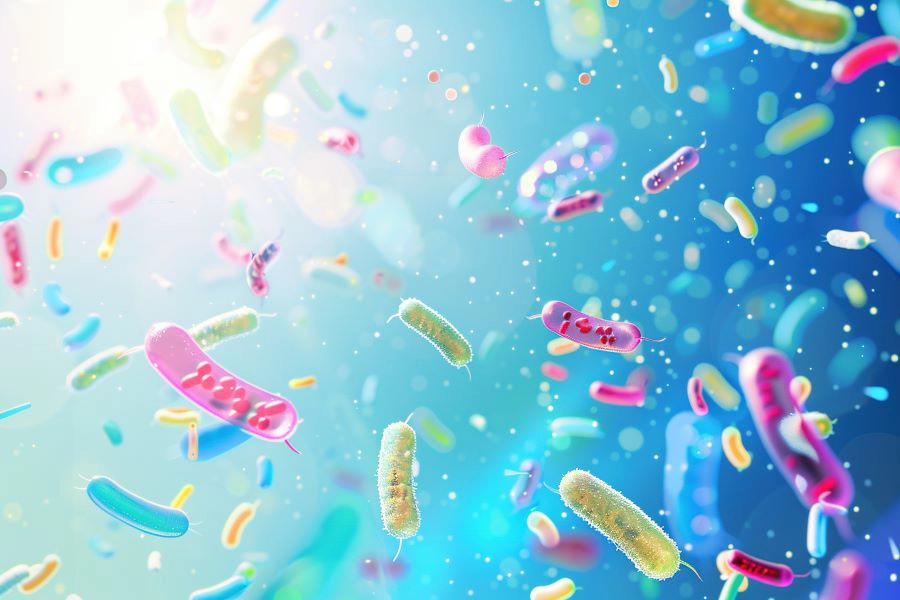 Metabolites produced by specific bifidobacteria in the infant gut can dampen immune responses linked to allergies and asthma.Vaginal birth and breastfeeding were associated with increased bifidobacterial populations. Separate research found that bifidobacteria dominate breast milk, shaping infant gut development, immunity, and metabolism.
“It is remarkable that children born vaginally were 14 times more likely to acquire the bifidobacteria from their mothers. In addition, exclusive breastfeeding and contact with other young children during early life also contributed to the increased abundance of these bifidobacteria in the gut,” comments Rasmus Kaae Dehli, a specialist in systems immunology of Bioengineering.
“This means that natural mechanisms help to prevent the development of these diseases. However, our lifestyle has contributed to these bifidobacteria becoming much rarer, and it is therefore also important to look at other preventive measures that can help infants who are not colonized with them.”
Recent research also found that probiotic supplementation can help restore the gut microbiomes of infants who have been exclusively breastfed. These babies are experiencing a decline in beneficial gut bacteria, specifically Bifidobacterium infantis, in high-resource regions.
Additionally, Persephone Biosciences found that 76% of US infants’ gut microbiomes put them at risk for developing allergies, asthma, eczema, and dermatitis due to a deficiency in bifidobacteria.
The researchers suggest that preventative strategies could include adding 4-OH-PLA or probiotic bacteria to dietary supplements or enriched formulas. This would create opportunities to improve infant health as the immune system is developing during the first months of life.
Currently, trials are underway at the Danish Aarhus University Hospital, where success could guide a new preventive strategy for children within a few years, with a “revolutionary” impact on their health.
Research details
Researchers analyzed stool samples from infants from three large birth cohorts in Sweden, Germany, and Australia.
Using genetic analysis and small-molecule studies, they mapped bacterial composition and metabolite levels. IgE antibodies against food and airborne allergens were measured through blood samples.
The researchers explain that the body produces IgE antibodies when it encounters allergens, activating immune cells and triggering allergic symptoms. These antibodies bind to allergens, so the higher the IgE level, the greater the allergy risk.
Furthermore, laboratory tests showed that 4-OH-PLA reduced IgE production by 60% without affecting other antibodies.
The researchers also tested the mechanism in an experiment using human immune cells, in which 4-OH-PLA was found to directly inhibit IgE production. This indicates a biological link between certain bifidobacteria, their metabolites, and the healthy development of an immune system.