




Verb Biotics’ GABA-producing probiotic improves sleep and mood in virtual clinical trial

Key takeaways
- In a remote clinical trial, Verb Biotics’ Lp815 probiotic improved sleep quality, reduced stress, and increased mood by naturally producing GABA.
- People Science’s use of the Oura Ring enabled the collection of real-world sleep data, providing more accurate insights into the probiotic’s effects.
- Participants reported better sleep in the first week, with all women experiencing improvements in sleep and more reporting reduced night sweats than men.

A new clinical trial has found that daily supplementation with Verb Biotics’ Lactiplantibacillus plantarum (Lp815) probiotic improved sleep quality, reduced stress, and increased urinary gamma-aminobutyric acid (GABA) levels. People Science executed the decentralized trial through its proprietary platform, Chloe.
Lp815 is designed to naturally produce GABA, a neurotransmitter that is key to sleep and stress regulation. The randomized, double-blind, placebo-controlled trial included 139 adults with moderate-to-severe sleep disturbance.
Nutrition Insight discusses the trial’s setup and outcomes with Verb Biotics and People Science.
“The LpP815 clinical results demonstrate how function-specific, clinically validated probiotics can meaningfully improve sleep architecture: more deep sleep, more time in bed, and more total sleep, pointing to a future of precision biotics designed for real health outcomes,” says Todd Beckman, CEO of Verb Biotics.

Senior author Noah Craft, M.D., Ph.D., co-founder and co-CEO of People Science, highlights the study’s use of the Oura ring to objectively assess sleep quality.
“In my view, the use of wearables brings greater objective rigor and strength to research on probiotics like Lp815 for sleep and stress, which is a nice counterpart to the subjective measures for sleep we used, like the Insomnia Severity Index. You know these products are really impactful when taken by real people at home.”
Decentralized trial setup
The study participants received 5 CFU of the probiotic or a placebo daily for six weeks. They responded to survey questions and wore the Gen3 Oura Ring to collect objective sleep data.
Participants began experiencing longer and deeper sleep within the first week, with perceived stress reductions starting in week two. After six weeks, 77% of participants reported improved sleep, 68% reported reduced stress, and 40% reported a decrease in the severity of night sweats.
“Among sleep researchers, there is great interest in both the subjective and objective measures of sleep, how it impacts your life, and how you feel about your sleep,” details Craft.
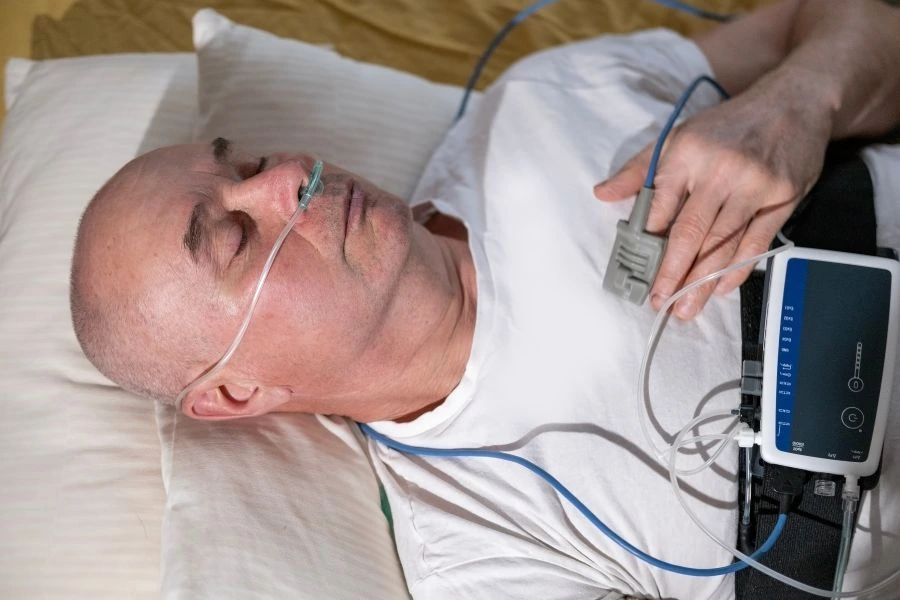 Craft notes that traditional “sleep labs” make it difficult to study what happens to people in their real lives when they use sleep supplements.He adds that the Oura ring and People Science’s at-home trial methodology, using its app Chloe, enable sleep researchers to better understand the complexities of sleep stages and normal routines in a home environment, compared to traditional studies.
“In the past, sleep research had to be performed in ‘sleep labs’ where the environment was highly artificial, and there were lots of wires attached to your head. It made it difficult to study what happens to real people in their real lives when they use supplements for sleep.”
GABA level improvements
A subset of 26 participants also submitted a urinary time series for GABA level analysis.
“Through urinary GABA testing, we saw that there was an increase in GABA production for those participants who were on Lp815,” says co-author Noah Zimmerman, chief science officer, Verb Biotics.
“GABA levels were elevated by day seven and then remained stable through week six, which correlated with better sleep quality and mood. This data highlighted the ability of Lp815 to create a GABA factory in the gut, resulting in sustained GABA levels.”
Although Zimmerman says it is unclear whether GABA can cross the blood-brain barrier in appreciable quantities, GABA produced in the gut is likely influencing the central nervous system via signaling from the vagus nerve.
Virtual clinical research
Craft says that the People Science methodologies for decentralized trials have “incredible advantages with very few downsides,” with a strong focus on scientific rigor.
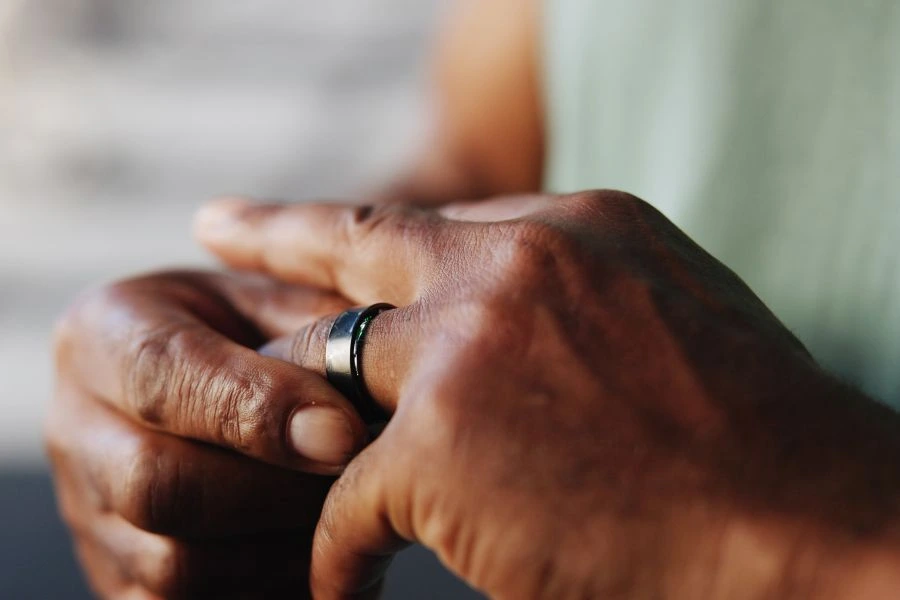 In addition to answering survey questions, the participants wore an Oura ring to collect objective sleep data.“Every data point we know comes from a real person and has an audit trail, so there is no question about the quality of the participants or the accuracy and validity of the data.”
Moreover, he says the company can recruit an “exceptionally diverse population” in a short time. “Older or younger, different income levels, different ethnicities — but still screened with rigorous inclusion and exclusion criteria. When you run a study with People Science, you can be sure you are reaching a wide range of types of very engaged participants.”
People Science’s Chloe app integrates with a participant’s wearables, fits into everyday life, includes an encouraging scientist-coach, and ensures participants don’t have to travel to a study site. Where this study used Oura data and a sub-study with participants who collected urine samples, in other trials, People Science collects blood at home, stool samples, or skin swabs.
“We typically enjoy close to 90% study completion and close to 90% compliance with all study tasks,” stresses Craft.
The trials can also be conducted much more quickly, he adds. “Compared to a site-based trial run through a doctor’s office that might take six months or longer, we were able to recruit, screen, and qualify all of the participants for this study around the country within three weeks.”
“The only major significant challenge to decentralized studies is that you can’t run studies that require a hospital or clinic setting, such as surgeries or using an ultrasound.”
“Feel-the-effect ingredient”
Based on the trial results, Beckman of Verb Biotics says the company is positioning Lp815 as a clinically validated, outcome-driven probiotic that gives formulators a “truly differentiated, feel-the-effect ingredient for sleep, stress, and mood support.”
“Lp815 delivers benefits consumers typically associate with GABA, but through a natural, microbiome-driven mechanism,” he adds.
 With the remote trial outcomes, Verb Biotics aims to position Lp815 as a clinically validated probiotic for sleep, stress, and mood support.“The strain can be used as a standalone hero ingredient or part of multi-ingredient formulations. Our R&D team confirmed compatibility of the strain with other commonly used sleep supplements, such as magnesium, to help with formulation and stability understanding for brands.”
Beckman notes that the company sees a clear path in the US for strong, compliant structure-and-function claims. “In the EU, we’ll take a more staged, conservative claims approach.”
Meanwhile, Zimmerman notes that the probiotic’s benefits were stronger for women in the study. “All of the women on Lp815 improved their sleep by week six, and a greater percentage of women than men experienced decreased night sweats.”
“The clinical results suggest there is a notable interrelationship between stress and sleep, especially for women during their life stages,” he adds. “A little bit of GABA being added into a woman’s body showed a significant benefit. Therefore, we’d like to research how GABA helps regulate hormones and how they interact together as women age to support women during times of hormonal fluctuation.”
Zimmerman says the company also recently conducted an at-home trial on Lp815’s impact on decreasing anxiety and aggression in dogs.
“The results showed Lp815 supports calmer behavior, reduced anxiety, and improved sleep in dogs. As a result of the successful clinical findings, we just launched our first pet wellness ingredient, GABA Lp815 for Pets,” he concludes.