



Research discovers age-related gut microbiome changes impact intestinal stem cells

Key takeaways
- Aging shifts the gut microbiome into a state that actively suppresses the regeneration and nutrient absorption of intestinal stem cells.
- Declining stem cell activity in older subjects can be reversed by restoring a youthful microbial environment through microbiota transplants.
- Researchers identified specific bacterial species in aged guts that inhibit stem cell function, providing a clear target for future anti-aging therapies.
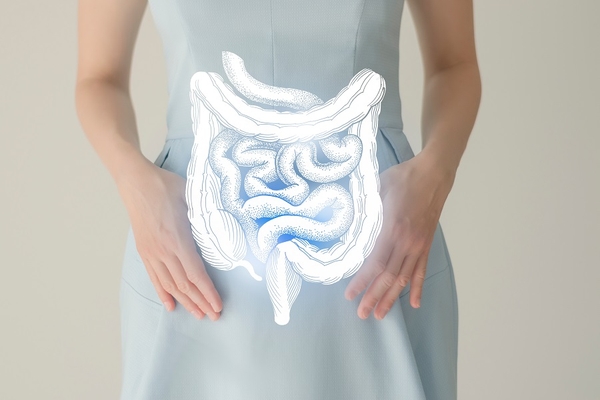
A new study has found that age-related changes in the gut microbiota of mice directly impair intestinal stem cell function. However, the authors note that restoring a youthful microbial environment can potentially reverse this decline.
Cells lining the intestine are constantly renewed to maintain tissue integrity, nutrient absorption, and regenerative capacity following injury, note the study authors, writing in Stem Cell Reports.
Intestinal stem cells drive this process by dividing and maturing to produce the cells of the gut lining.
The team explains that as people age, intestinal stem cell activity declines, leading to age-related intestinal conditions, such as impaired nutrient absorption, regenerative capacity, and increased inflammation — all of which contribute to age-associated intestinal dysfunction.

Nutrient absorption decreases in aging intestinal epithelial cells in biomimetic intestinal organoids, as recently discovered by Kirin Holdings and the University of Tokyo in Japan.
However, the new study posits that microbial interventions may help maintain intestinal function. “The study underscores the microbiota as a critical, modifiable determinant of intestinal homeostasis and tissue regeneration.”
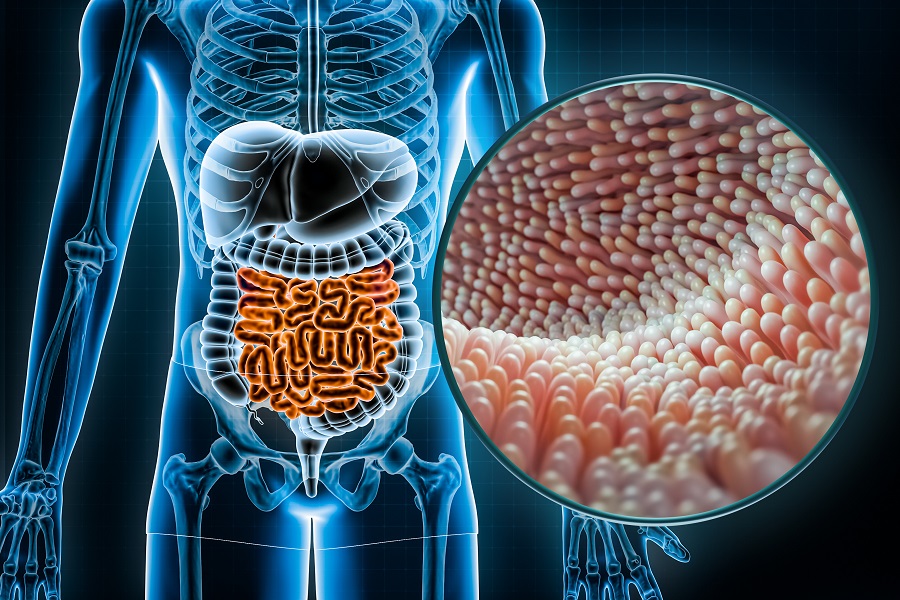 Cells lining the intestine are constantly renewed to maintain tissue integrity, nutrient absorption, and regenerative capacity following injury.By linking microbial composition to stem cell activity, the authors say their findings highlight host-microbe interactions as a potential therapeutic target to preserve intestinal function, enhance regenerative capacity, and promote healthy aging.
Gut interventions for aging decline
Study lead researchers at the University of Ulm, Germany, and Cincinnati Children’s Hospital Medical Center, US, build on a growing body of research around how modifying the gut microbiota can help address age-related health decline.
The researchers discovered that intestinal stem cells in older mice were significantly less active than those in young mice. This diminished their intestinal cell replenishment and impaired regeneration after injury.
Their findings reveal that changes in the function of intestinal stem cells were associated with significant differences in the gut microbiota composition between young and aged mice.
To test whether these microbial changes directly influenced gut stem cell function, the team restored a more youthful microbiota in old mice by transferring gut microbiota from young donors.
They found this intervention reversed the age-related decline in intestinal stem cell activity, which led to better regenerative responses following intestinal injury.
The researchers further identified a bacterial species (Akkermansia muciniphila) prevalent in the aged microbiota that appeared to inhibit intestinal stem cell function, offering a mechanistic insight into how specific microbial shifts can contribute to stem cell aging.
“We demonstrate, using microbiota transfer experiments, that interestingly, elevated levels of A. muciniphila in the intestine cause a reduction of Ascl2-mediated canonical Wnt signaling in intestinal cell functions and thus reduced regeneration of the aged epithelium,” they detail.
“The composition of the intestinal microbiota thus plays a critical role in regulating [intestinal cell function].”
Nutrition Insight previously met with experts at IFF Health Sciences, Lallemand Health Solutions, Epax, and Givaudan to discuss their offerings in the diversifying healthy aging space. Their research underscores how chronological age and biological age are fundamentally different benchmarks of health.
One example of a gut-mediated intervention by Lallemand Health Solutions is a probiotic formula innovation designed to support healthy aging through the gut-muscle axis.