




Activ’Inside studies tie saffron and berry extracts to children’s cognitive benefits


Key takeaways
- Activ’Inside says its saffron and grape-blueberry extracts showed cognitive and behavioral benefits in real-world children’s studies.
- The company argues pediatric supplements need child-specific evidence, not just extrapolation from adult trials.
- Its saffron extract reportedly improved attention and reduced hyperactivity, while the polyphenol blend showed cognitive gains within two hours.

Activ’Inside has carried out two real-world studies on children’s dietary supplementation, resulting in notable benefits from its Safr’Inside and Memophenol ingredients. The company highlights that pediatric supplementation is widespread, but many have not been tested in children.
Saffron extract Safr’Inside Kids was found to have significant improvements in children’s attention up to 46.9% and hyperactivity up to 37.6%.
Meanwhile, the grape and blueberry polyphenol extract blend, Memophenol Kids, showed immediate 10% cognitive performance enhancement within two hours, with progressive benefits, such as working memory and recognition, with continued use.
With its two studies, the manufacturer aims to address the evidence gap that traditional research often fails to address.
“With more than one-third of US children reporting dietary supplement use, pediatric supplementation is already widespread. Yet the US National Institutes of Health has highlighted that many dietary supplements have not been adequately studied in children,” Activ’Inside’s Maïté Jeanroy, marketing and communications director, tells Nutrition Insight.
“We believe the category needs to move from marketing-led claims toward evidence-led innovation. Laboratory research and adult clinical trials are valuable, but they cannot fully replace evidence generated in the target younger population.”
Importance of testing in children
Currently, the market is saturated with “kids’ brain” and “calm” products, making it harder for parents to distinguish credible products from marketing hype. Jeanroy discusses the company’s decision to conduct real-world studies in children.
“Safr’Inside and Memophenol are two of our key actives in our neuronutrition range that are supported by robust clinical data from randomized, double-blind, placebo-controlled trials in adults confirming their benefits,” he notes.
“These established benefits provide a strong scientific rationale for their use in children, without necessarily requiring duplication of the same clinical evidence in a younger population. However, children are a fundamentally different population, with differences in body weight, physiology, and metabolism that can affect dosage, tolerability, and how an ingredient is used.”
Jeanroy points out that for the child-adapted version, the researchers used half the dosage while following the same strict approach as used in the study with adults, but in children.
“This allowed us to confirm not only tolerability and the absence of reported side effects at the intended dose, but also that the finished products were well accepted by children and convenient to use in real-life conditions.”
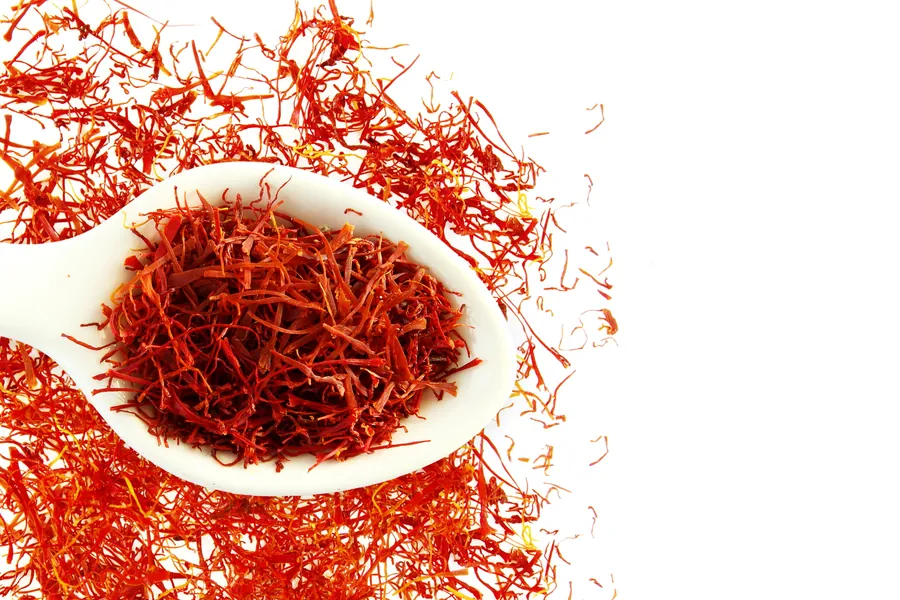 In the study, Safr’Inside Kids improved children’s attention up to 46.9% and hyperactivity up to 37.6%.“For us, it was important to not simply extrapolate adult data but to verify directly in children that the ingredients perform as expected and that the final products are genuinely suitable and convenient for everyday use,” he stresses.
Strategy behind Safr’Inside
Safr’Inside Kids was administered to children aged seven to 12, and found to bring significant improvements in ADHD-related symptoms, such as attention, hyperactivity, and oppositional symptoms, within 14 days, sustained to day 42. Jeanroy points out that these benefits are explained as the ingredient is already supported by clinical data in adults.
“Additionally, saffron has recently attracted growing scientific interest for its potential to support emotional and behavioral balance and sleep quality. Safr’Inside has been extensively investigated through clinical and preclinical research as part of Activ’Inside’s Silver Brain Food program, conducted in collaboration with academic partners including Bordeaux Population Health and Nutrineuro.”
“What makes Safr’Inside different is the level of characterization behind the extract, which contributes to its rapid effects and felt benefits. It is a patented saffron extract standardized to a high and precisely quantified real safranal content,” details Jeanroy.
“Our research has identified six complementary mechanisms of action that may contribute to its effects, including modulation of serotonin pathways, inflammatory processes, the cortisol response, and the gut microbiota.”
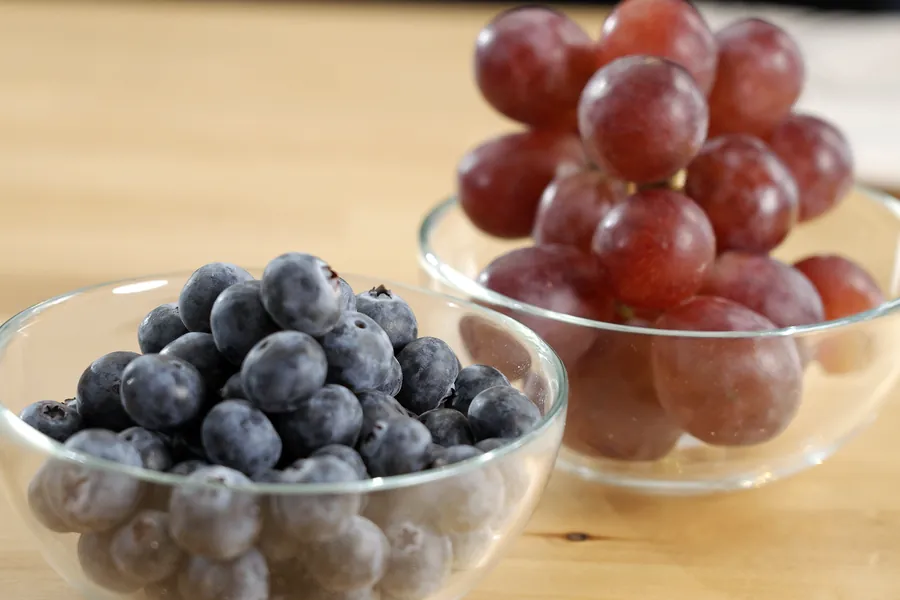 Memophenol Kids showed 10% cognitive performance enhancement within two hours and greater cognitive improvements after 28 days of supplementation.He shares that Activ’Inside’s approach with Safr’Inside was not to simply position it as a well-known adaptogen, but to substantiate how its extract can support children’s emotional and behavioral balance both efficiently and rapidly.
Memophenol impacts on brain
Memophenol is supported by gold-standard clinical evidence in adults, notes Jeanroy. Reflecting the benefits in adults, the children’s study showed benefits on two different time scales. “An acute effect within two hours of a single dose, followed by greater cognitive improvements after 28 days of supplementation.”
“Through the older population, we had already demonstrated that the specific polyphenols selected for Memophenol are rapidly absorbed into the circulation and can reach the brain thanks to their molecular size (monomers). This was confirmed in the pediatric population as well. The rapid cognitive benefit observed within two hours is therefore consistent with mechanisms such as improved cerebral microcirculation, which can support brain function relatively quickly.”
“The longer-term improvements tell us that we are not looking at a single mechanism. With continued supplementation, additional biological processes may contribute, including effects on synaptic plasticity and neurogenesis, which is the formation, maturation, and integration of new neurons,” Jeanroy explains.
“These processes are particularly active during childhood, when the brain is undergoing significant development.”
 Jeanroy says that children are fundamentally different than adults, with differences in body weight, physiology, and metabolism that can affect dosage, tolerability, and how an ingredient is used.He highlights that it is important for brands to know about the distinction between acute and long-term benefits, as they are not exclusive to one another. For brain health, this is challenging to measure.
He explains: “With polyphenols, different mechanisms can operate over different time frames. Rapid effects linked to circulation and brain function, and longer-term effects associated with neuronal adaptation and plasticity.”
Objective measures combined with feedback
The two studies used objective measures alongside parent and child feedback. “The combination is essential because it gives us different perspectives on the same expected outcome,” says Jeanroy.
For instance, two out of three children taking Safr’Inside Kids reported better concentration and feeling calmer, while seven in 10 reported better sleep. Also, seven in 10 parents were satisfied with the daily 15 mg supplementation.
“Objective measures provide scientific rigor and help demonstrate that the results are not based solely on subjective perceptions. Validated questionnaires and standardized assessments can complement these objective measures and provide a broader picture of the child’s experience,” explains Jeanroy.
“Parents are particularly important because they are usually the decision-makers and purchasers, and they are also the best people who observe changes in a child’s behavior in everyday life. But the child’s perspective matters just as much, as ultimately, they are the ones taking and consuming the product.”
He concludes that child-based evidence should ultimately become key to differentiating products that are marketed for children versus those that have demonstrated relevance.