

Prinova explores how GLP-1 drugs drive demand for protein and gut health in hydration


Key takeaways
- Prinova says hydration drinks are split into daily and performance segments with added functional ingredients.
- GLP-1 trends are driving early innovation in protein and gut health beverages.
- Formulation success depends on electrolyte balance, clear positioning, and taste.

The range of functional beverages is expanding as new demands appear in the market. GLP-1 drugs are growing in popularity and influencing how supplemental nutrition is moving from foods and snacks into hydration solutions. An increased health-consciousness among consumers leads them to seek more nutrients from drinks.
Nutrition Insight sits down with Nirmal Patel, R&D scientist II at Prinova, to discuss hydration trends, the importance of setting an intended market, and how functional beverages are tapping into GLP-1 solutions.
“We are seeing the hydration category increasingly diversify into clearly defined segments, most notably daily hydration versus performance‑focused hydration. This segmentation allows brands to address distinct consumer needs rather than taking a one‑size‑fits‑all approach.”
He says that, across both segments, there is also a strong push toward functional enhancement, with manufacturers layering in additional ingredients to support benefits beyond basic hydration, such as energy, recovery, cognitive support, or digestive health.
“This trend reflects growing consumer expectations that hydration products deliver multiple, targeted health benefits.”
New needs in the market
Amid growing access to GLP-1 drugs, particularly in the US, the food and nutrition industries are considering how to develop or adapt products tailored to users of these medications. Beverages are no exception.
 The GLP-1 beverage category is still in its early stages, and there has not yet been a definitive push toward a singular ingredient or formulation approach, says Patel.“We are beginning to see early shifts in innovation influenced by the growing adoption of GLP‑1 treatments. In particular, there has been an increase in protein‑enriched waters and gut‑health‑focused beverages, as brands look to support satiety, digestive comfort, and overall nutritional adequacy for consumers using these treatments,” shares Patel.
That said, the category is still in its early stages, and there has not yet been a definitive push toward a singular ingredient or formulation approach, he details.
“Ongoing clinical research will help clarify best practices, but the timeline for actionable insights can be challenging for brands eager to respond quickly. In this context, Prinova supports customers by leveraging its formulation expertise and experience with relevant ingredients such as proteins and inulin, helping brands navigate innovation responsibly as science continues to evolve.”
What consumers seek
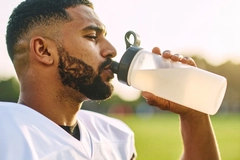
Demand is highly dependent on the intended use case of the hydration product, explains Patel. In the performance hydration segment, consumers prioritize higher electrolyte concentrations and robust formulations designed to replenish what is lost through intense or prolonged physical activity. These products typically emphasize endurance, recovery, and physical output.
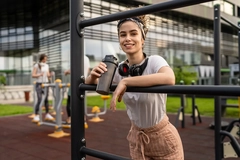
In contrast, daily hydration products serve a different purpose because the average consumer is not experiencing the same level of electrolyte depletion as an athlete. These formulations generally include lower electrolyte levels paired with an additional functional benefit, such as energy, mental focus, or digestive health.
“This reflects the understanding that basic hydration can already be achieved through water and diet, so functional ingredients are used to justify incremental value in daily‑use products,” Patel notes.
Meanwhile, at a foundational level, most hydration formulations continue to rely on electrolytes and B vitamins.
“These ingredients remain the backbone of hydration beverages because their primary function is to restore electrolyte levels lost throughout the day or during activity,” adds Patel. “Beyond this, the category has expanded significantly.”
He says another trend is the renewed interest in creatine, supported by emerging research. Creatine works by drawing water into muscle cells, while electrolytes play a complementary role by facilitating absorption, creating a symbiotic relationship.
Experts from Sirio previously told Nutrition Insight that creatine is facing a comeback, not just among athletes, but across lifestyle consumers seeking enhanced energy, focus, and performance.
Patel also observes an increased use of amino acids in drinks, which can help enhance cellular rehydration.
Points for formulation
When it comes to optimal formulations for functional beverages, one of the most critical factors is electrolyte balance, particularly sodium and potassium, which play a central role in action potentials throughout the body, according to Patel.
 Patel stresses that flavor systems must be thoughtfully designed to balance functionality and consumer acceptance.“These electrolytes are fundamental to how the body functions, making them essential components of hydration formulas.”
“Sodium chloride remains the most commonly used ingredient due to its physiological importance; however, higher levels can quickly lead to taste challenges, resulting in overly salty beverages.”
Successful formulation requires careful optimization, ensuring efficacy without compromising palatability. Patel adds that flavor systems must be thoughtfully designed to balance functionality and consumer acceptance.
We recently sat down with industry experts from dsm-firmenich who echoed that flavor, taste, and enjoyment are non-negotiable when it comes to beverage formulation.
Understanding the market
Patel says one of the most important considerations for brands is a clear understanding of the intended market of their hydration product.
“While the body does experience daily electrolyte loss, that does not mean consumers need multiple high‑intensity hydration beverages each day. Such formulations are best reserved for endurance training or physically demanding activities.”
“The continued integration of functional ingredients has been a major growth driver for the hydration category. This evolution aligns closely with Gen Z’s preference for better‑for‑you beverages and their move away from traditional sugary drinks.”
He concludes that purpose‑driven hydration products that are thoughtfully formulated and transparently positioned are well‑placed to resonate with today’s health‑conscious consumers.