



HMOs and precision proteins push infant formula closer to breast milk

Key takeaways
- Infant nutrition is increasingly focused on creating formulas resembling human breast milk, with advances in HMOs, precision proteins, probiotics, and other bioactive ingredients.
- Formulators are creating products that support microbiome development, immune health, brain development, and specialized needs such as allergies and digestive issues.
- Experts stress how recent infant formula safety incidents have brought increased focus on traceability, supplier partnerships, preventive controls, and stronger quality management across the supply chain.

The nutrition industry is innovating in solutions for one of its most vulnerable consumer groups, infants. Nutrition Insight sits down with experts from Novonesis, Valio, Arla Foods Ingredients, and Lubrizol to discuss how the industry is shifting toward creating products as similar as possible to the “gold standard of infant nutrition” — human breast milk. We also discuss how external factors, such as recent infant formula withdrawals, have shaped the industry.
Joey Zhu, global commercial development manager for Early Life and Specialized Nutrition at Novonesis Human Health, spots the main trend in infant nutrition innovation, which is making formula more closely reflect the composition and benefits of breast milk, while being supported by robust scientific evidence.

“At the same time, strict quality and regulatory requirements — and the need for an established safety track record — make this market difficult to enter. Manufacturers are therefore placing greater value on trusted ingredient suppliers that offer reliable quality, regulatory expertise, secure supply, and strong technical and innovation capabilities.”
Dr. Katherine Guzzetta, global scientific advisor at Early Life and Specialized Nutrition at Novonesis Human Health, adds that this includes creating new technologies that enable the production of breast milk components that were previously unobtainable or unaffordable at scale, such as lactoferrin and other precision proteins.
“The relatively recent success story of human milk oligosaccharides (HMOs) underscores the impact of innovation in infant nutrition. Consisting of over 150 molecular structures, HMOs are the third most abundant solid component of breast milk and are scientifically demonstrated to support various aspects of infant health.”
Guzzetta says that, despite this, HMOs have only been added to infant formula in the last decade due to previous hurdles with cost-effective and scalable production.
“Scientific and technological innovations have lowered these barriers, enabling infant formulas to incorporate the most abundant of these HMOs at doses consistent with naturally occurring levels, while novel technologies are needed to allow the availability of additional HMO structures in formula. Overall, it is clear that new innovations will continue to enable the next frontier for infant formula.”
Mimicking breast milk
Sinikka Saikkonen, senior business development manager at Valio, says that while the industry is aiming to get as close to human breast milk as possible, there are four key areas shaping the future of infant nutrition.
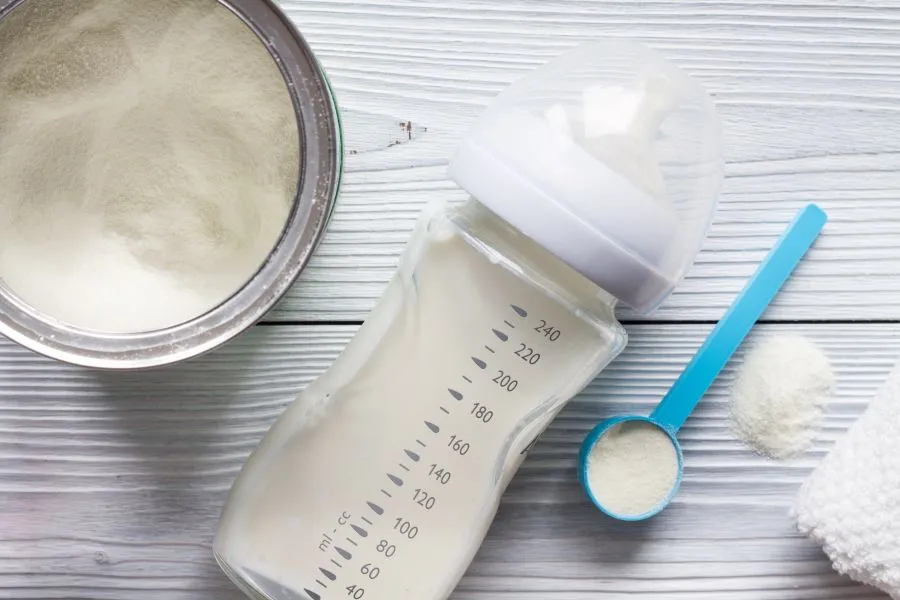 Saikkonen points to a growing interest in specialized formulas for specific nutritional needs, such as allergies and digestive issues.“First, nutrition is becoming more stage-adapted, with solutions extending from maternal nutrition to infant formulas, growing-up milks, and nutrition for young children. Second, health-focused formulations are combining essential nutrients with ingredients such as docosahexaenoic acid (DHA), arachidonic acid (ARA), milk fat globule membrane (MFGM), bioactive proteins, probiotics, and HMOs to support brain development, immunity, and digestive wellness.”
Meanwhile, she points to a growing interest in specialized formulas for specific nutritional needs, such as allergies, intolerances, reflux, and digestive issues.
“Finally, science is enabling even more advanced solutions closer to the gold standard of breast milk, not only in nutrient content but also in quality, structure, and functionality,” says Saikkonen. “Breast milk is unique, and there will never be a perfect substitute, but the aim is to get as close as possible”
Jakob Madsen Pedersen, senior director for Specialized Nutrition at Arla Foods Ingredients, adds that the industry is moving beyond matching the nutritional composition of human milk toward replicating the structure, functionality, and interactions of human milk components.
Expanding areas in infant nutrition
Madsen Pedersen says the microbiome is an emerging and rapidly expanding area in infant health due to its close links with both immune maturation and brain development.
“This is driving interest in nutritional solutions that support microbiome establishment, immune maturation, and overall infant development. These include HMOs, prebiotics, probiotics, postbiotics, MFGM, and components targeting gut-immune-brain interactions.”
He also observes a shift toward a systems biology approach that recognizes that infant growth, immune development, metabolism, and neurodevelopment are interconnected biological systems. “Research is therefore increasingly focused on understanding mechanisms of action, alongside demonstrating clinical efficacy.”
 Madsen Pedersen says the microbiome is an emerging and rapidly expanding area in infant health.Another shift is toward lower-protein infant formulas, says Madsen Pedersen. “Historically, infant formulas contained higher levels of protein and a different protein composition than human milk. However, high protein intake in early life has been shown to cause rapid weight gain, which has been associated with an increased risk of obesity and associated disorders in later life.”
“Technological advances in the dairy industry have helped enable formulas that more closely reflect the protein profile of human milk. A key innovation has been the enrichment of formulas with alpha-lactalbumin, the most abundant whey protein in human milk. Rich in essential amino acids, especially tryptophan, alpha-lactalbumin is a high-quality protein that enables lower-protein formulations while maintaining nutritional adequacy.”
Ingredients for development
Meera Raghuram, director of Regulatory and Sustainability Strategy at Lubrizol, tells us that iron is an essential nutrient in infant nutrition, supporting cognitive development, neurological function, growth, and healthy red blood cell production.
“Because infant iron requirements increase significantly during early development, iron fortification remains a critical component of infant formula formulation.”
“Yet iron can present several formulation challenges affecting product quality and shelf life performance. These include metallic off-taste, discoloration, and color instability, oxidative degradation of fats and sensitive nutrients, reduced stability during storage, and interactions with proteins, vitamins, minerals, and other formulation components.”
Raghuram explains that these challenges can be particularly significant in infant formula, where nutritional quality, stability, and sensory characteristics must be maintained throughout shelf life.
“In modern formulations containing sensitive ingredients such as DHA, ARA, and other long-chain polyunsaturated fatty acids, minimizing iron-induced oxidation is especially important.”
Saikkonen from Valio adds that for ingredients, gut colonization, immune system imprinting, and brain development are key focus areas in research and product development.
 Raghuram says iron formulation challenges can be particularly significant in infant formula.“This is driving interest in HMOs, probiotics, and synbiotics as well as bioactive milk components such as those found in MFGM. Powdered formulas still dominate globally, but there is also growing interest in convenient heat-treated ready-to-feed liquid formulas.”
Meanwhile, Madsen Pedersen from Arla Foods Ingredients says whey proteins account for half of the leading protein ingredients in infant nutrition and feature in 50% of new product launches.
“Arla Foods Ingredients’ global consumer research shows that when mothers were asked, unprompted, to name any ingredients they knew in infant formula, proteins were the most mentioned ingredient group,” he says.
“In addition, seven in 10 mothers who were aware of specialized protein ingredients said they would prefer to see them in infant formula. Prompted evaluation of specialized ingredients such as whey protein hydrolysates, alpha-lactalbumin, or MFGM also revealed a strong preference among mothers who recognized the ingredients.”
Shocks to the industry
Earlier this year, there was a multi-country recall of infant nutrition products following the detection of a toxin, causing various companies to withdraw their products from the market.
Liliane Cataneo, director of Global Quality, Health, Environmental, and Safety at Arla Foods Ingredients, shares that these contamination incidents have been an important wake-up call for the infant formula industry.
“Infant nutrition is an area where there is simply no room for compromise, and these events have reinforced the importance of a prevention-based approach. While they do not change the fundamental science of risk assessment, they have heightened expectations around spore and toxin control, environmental monitoring, traceability, and supplier diligence across the supply chain.”
“As a result, we continue to strengthen our risk management framework to ensure robust control of microbiological and toxicological hazards and maintain the highest standards of food safety for infant nutrition products. It is also important that ingredient manufacturers actively collaborate with regulators, industry partners, and the scientific community to support the continuous improvement of the food safety standards and contribute to the best-practice sharing across the infant nutrition sector.”
She stresses that one of the most important consequences of the recalls will be stricter and more comprehensive quality controls, particularly around raw materials, ingredients, and finished products.
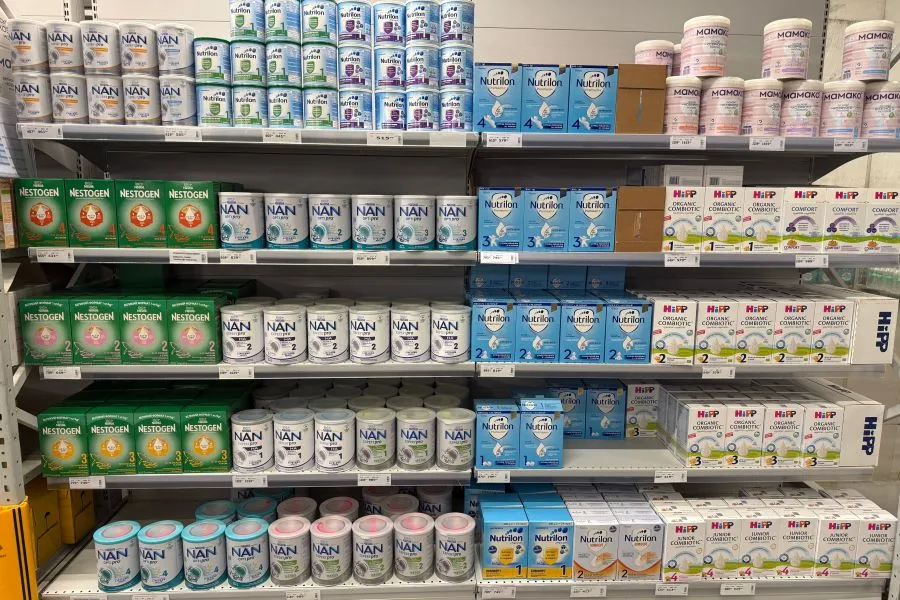 Cataneo says the recent contamination incidents have been an important wake-up call for the infant formula industry.“We will likely see greater emphasis on preventive controls, traceability, risk assessment, and verification — not only of the finished product, but across every critical step and ingredient upstream. Recent regulatory actions have also highlighted the importance of infant formula manufacturers having an even deeper understanding of their suppliers, their processes, and the risks associated with individual ingredients.”
Cataneo also expects to see closer and more strategic partnerships between ingredient suppliers and infant formula manufacturers. She argues that food safety cannot be managed effectively in isolation as it requires transparency, technical cooperation, shared data, and a common understanding of risk between all parties.
“The relationship needs to evolve from a traditional buyer-supplier relationship into a genuine partnership focused on prevention, quality, and continuous improvement,” she adds.
Zhu from Novonesis says that following the recent events, the industry is placing greater emphasis on selecting trusted, proven ingredient suppliers with strong quality systems, traceability, and a reliable safety track record.
Saikkonen stresses that reliability is more important than ever. “Infant nutrition serves one of the most vulnerable consumer groups, so there is no room for compromise on quality or safety. Recent incidents across the industry have further highlighted the importance of trusted suppliers, robust quality systems, and full traceability.”
“At Valio, all milk batches can be traced back to the farm of origin at any point, and our traceability system is regularly tested through traceability exercises and mock recalls. Transparency and openness are equally important. Information travels extremely quickly today, so when concerns arise, companies need to react rapidly and communicate openly and honestly,” she says.