




World Health Day 2026: Trade wars reshape nutrition security opportunities


Key takeaways
- World Health Day 2026’s One Health focus highlights that global trade disruptions threaten nutrition security and diet quality.
- Trade can stabilize food prices and boost diet diversity, but it can also flood markets with UPFs and aggressive infant formula marketing in vulnerable countries.
- Governments can reshape social safety nets during shocks, while nutrition firms can prioritize fortified staples, local sourcing, and crisis-resilient portfolios.

World Health Day 2026 is globally celebrated following the theme “Together for health. Stand with science.” This year’s One Health campaign underscores the interconnectedness of human, animal, and ecosystem health. Nutrition Insight explores the impact of global trade as it physically connects countries, shaping diet diversity, eating patterns, and health.
The WHO, founder of World Health Day, points out global success stories, such as the fact that the maternal mortality rate has fallen over 40% since 2000 and deaths among children under five have been reduced by over 50%.
The One Health focus draws attention to nutrition supply sources in a highly connected world where animal health affects protein and collagen availability and quality, and ecosystem harm impacts crop nutrient density and quantity. Human health is dependent on these chains, alluding to the importance of developing trade policy to protect these connections.

However, health threats have risen amid climate impacts, environmental degradation, geopolitical tensions, and shifting demographics, notes the WHO.
Trade tensions and conflicts continue to hit food systems, impacting affordability and access to healthy foods. For instance, as we have seen in the ongoing Strait of Hormuz crisis amid the US-Iran war, constraints on the Black Sea shipping lane due to the Russia-Ukraine war, and the high tariffs the US has imposed since last year.
Purnima Menon, senior director of Food and Nutrition Policy at the International Food Policy Research Institute (IFPRI), tells Nutrition Insight that most of these global shocks create economic repercussions that ripple through to countries in varying ways.
“In our experience, what governments try to do for nutrition in the context of shocks will depend on the nature, timing, and duration of the shock.”
“When economic shocks are deep or sudden, such as when COVID-19 hit, we saw that governments that had available social safety net architectures reshaped what they offered through those — for instance, in states in India, new food commodities and ingredients were added to supplement staple grains,” notes Menon, who is also acting senior director of Transformation Strategy.
Long-term nutrition goals
Food fortification strategies have been a long-term effort across many governments, adds Menon, but local fortification in a country depends on the entire industrial ecosystem being in place.
As World Health Day 2026 urges to “stand with science,” nutrition policies display a need to catch up with geopolitical speed.“So fortification is not a rapid or immediate response to a crisis, although when prices of high-nutrient-value foods increase, fortification is promoted as a potential option to deliver more nutrients through staple foods.”
The same logic applies to ultra-processed foods (UPFs). Menon shares that regulating UPFs is not a strategy used against geopolitical shocks, but more of a long regulatory journey.
Trade impacts on nutrition
International trade, when aligned with nutrition goals, has the potential to enhance global diet diversity and quality while mitigating trade-driven dietary shifts that contribute to obesity and malnutrition, according to the UN Food and Agriculture Organization (FAO).
Menon adds that trade also plays a key role in price stabilization in many settings.
Nearly 5,000 trillion kilocalories are traded daily for global nutrition security, which reached a value of US$2.3 trillion last year, according to the WTO and the Global Alliance for Improved Nutrition.
However, trade liberalization of low-cost, high-calorie, low-nutritional-value foods can also lead to disadvantages to health. Previous research found that trade deals don’t block nutrition policies in small island nations but rather pose hurdles that can slow or water down efforts to curb obesity and diet-related diseases.
Moreover, Menon points out that global trade can lead to targeted food and nutrition marketing in certain countries with more vulnerable populations.
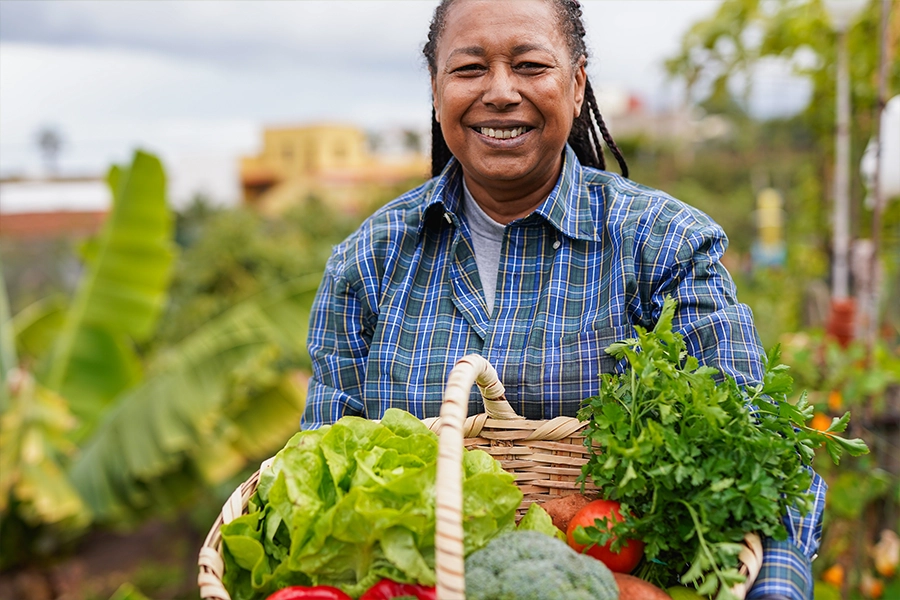 Geopolitical shocks reshape global diets, where fortified staples and local sourcing emerge as resilience strategies.“In some cases, such as through our work on the Lancet series on breastfeeding, research has also shown that large manufacturers of infant formula have deployed lobbying and other tactics to reduce policy barriers to sales and marketing of those formulas in low- and middle-income countries.”
At the latest World Health Assembly, member states committed to extending the International Code of Marketing of Breast Milk Substitutes provisions against the rise in marketing of formula milk and baby foods.
Crisis-resilient portfolios
IFPRI research has shown that food chains in war-affected areas can either make fragility worse or help people cope. Policies and codes of conduct, such as on feeding infants and young children in emergency or conflict settings, can help prevent exploitation of crisis situations, says Menon.
Additionally, she notes that in general contexts, projects such as school meal programs are seeing an increased movement toward sourcing more local foods. This helps boost children’s health by improving diet quality with fresh, minimally processed ingredients.
For nutrition companies navigating these uncertain times, IFPRI points to creating crisis-resilient portfolios, such as fortified staples and working in social safety nets. Menon also suggests using regionally sourced ingredients to reduce exposure to shipping risks. This also includes developing reformulation strategies with cost shifts in mind.