



Planetary Health Diet found beneficial for pregnancy, but key nutrient gaps remain


Key takeaways
- Higher adherence to the Planetary Health Diet during pregnancy is associated with increased intake of key nutrients such as folate, iron, calcium, and fiber.
- Despite these improvements, many women still do not meet recommended nutrient levels, highlighting persistent nutritional gaps.
- The findings underscore the need for targeted supplementation and careful dietary planning, as diets alone may not fully meet pregnancy requirements.

Researchers have found benefits of following the Planetary Health Diet during pregnancy, which consists mostly of plant-based foods. Eating sustainably showed a higher intake of several key pregnancy-related nutrients such as folate, calcium, iron, magnesium, and fiber.
The EAT-Lancet Planetary Health Diet consists mostly of plant-based foods, but differs from vegan and vegetarian diets as it also includes animal-based foods, with reduced intake of red and processed meats.
The researchers say that due to the environmental impact of the current food system, there is an “urgent need to rethink how and what we eat.”
“The findings showed that adhering to the Planetary Health Diet in pregnancy results in better intakes of many important nutrients in pregnancy and, at the same time, supports environmental sustainability,” says perinatal health research expert Fionnuala McAuliffe, senior author of the study.

McAuliffe is also a full professor of Obstetrics and Gynecology at University College Dublin’s School of Medicine and the National Maternity Hospital in Dublin, Ireland.
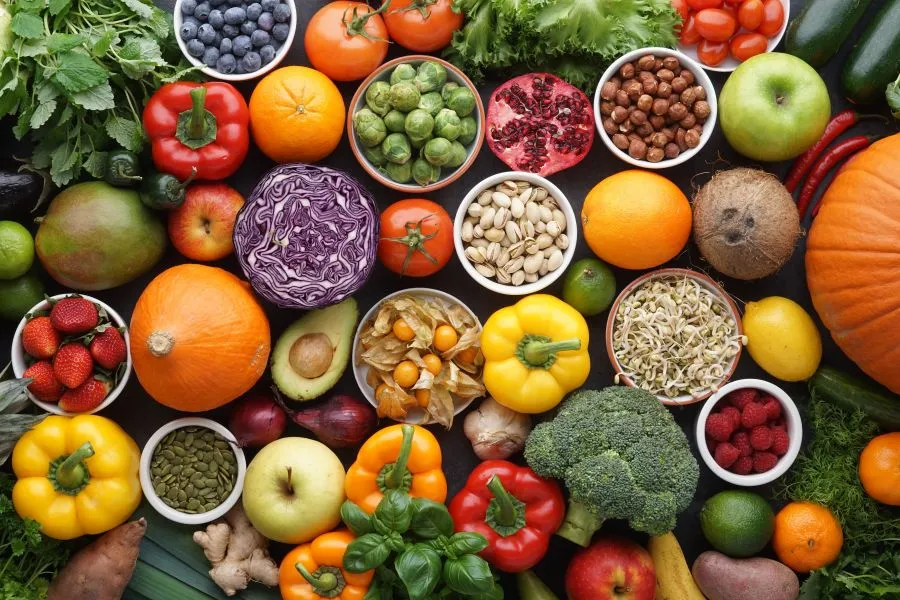 The women who followed the diet in early pregnancy had higher intakes of folate, iron, calcium, and dietary fiber.Higher intake of nutrients
The study has been published in the British Journal of Nutrition and is among the first studies to investigate the diet’s role in pregnancy and how it aligns with the European Food Safety Authority dietary guidelines.
The observational study included 678 pregnant women who attended their pregnancy care at The National Maternity Hospital. In the first trimester, the women completed dietary assessments, and the data were used to calculate the Planetary Health Diet index scores.
The women who followed the diet in early pregnancy had higher intakes of folate, iron, calcium, and dietary fiber, which are essential nutrients for pregnancy. However, the increased levels were still below recommendations, and supplementation for all these key nutrients during pregnancy is still advised.
The results did not show any improvement for various key vitamins. The women following the diet were less likely to reach high levels of vitamin D, vitamin B3, and iodine.
Nutrition needs to be carefully considered during pregnancy, and the research team says that although the Planetary Health Diet meets most nutrient requirements, it does not meet all. Therefore, it is important for pregnant women to supplement with key nutrients.
 The researchers say it is important for pregnant women to supplement with key nutrients.Sustainability and nutrition
A previous Swedish study on the Planetary Health Diet found that following the guidelines was associated with higher nutrient density, adequate micronutrient status, and reduced risk of deficiencies for various vitamins and minerals. However, the researchers flagged an increased risk of anemia among women following the diet and underscored the need for gender-specific monitoring and careful policy design.
Overall, the Swedish researchers found that higher adherence to the diet was generally associated with nutrient intakes above the recommended level.
Sustainability and nutrition are intertwined when it comes to food, as ultra-processed alternatives are highly linked to carbon emissions.
Food production drives 30% of global greenhouse gas emissions and transgresses the planetary boundaries, a prior EAT–Lancet report warned. Although the world produces plenty of food calories for everyone, almost 3.7 billion people lack access to healthy diets, fair wages, or clean environments. It reported that if globally adopted, the Planetary Health Diet could prevent up to 15 million premature deaths yearly while cutting emissions significantly.