




World Diet Initiative to study heritage diets before Western-style eating replaces them

Key takeaways
- Global researchers launch the World Diet Initiative to document heritage diets from communities worldwide before they vanish.
- The project maps traditional diets and studies their biological effects on metabolism, immunity, and the microbiome using consistent methods.
- A Tanzania trial showed switching from a heritage to a Western-style diet raised inflammation within two weeks.
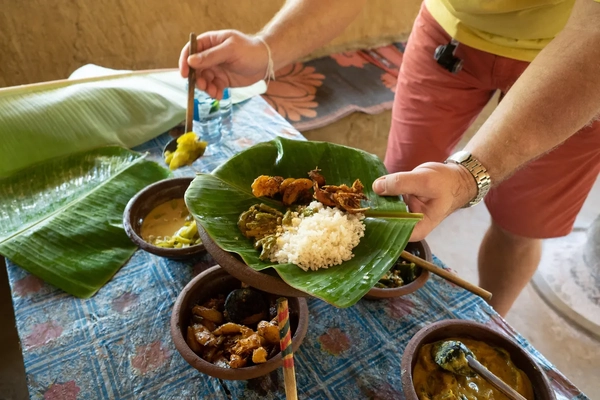
Global researchers have launched the World Diet Initiative to document and study “heritage” diets from various communities before they disappear. The team from 12 countries will examine traditional diets among Maasai, Ethiopian, and Indian communities that have historically correlated with lower rates of chronic illnesses like diabetes.
A paper in Nature Medicine highlights that thousands-of-years-old diets have been developed over generations but are being replaced by “uniform Western diets” that often contain the same industrially processed foods.
The researchers clarify that their project is not a “nostalgic call to the past” but is keen on learning how these diets shape human health.

For instance, Maasai communites in East Africa consume diets rich in animal products, such as milk, meat, and blood. Ethiopian diets are mostly plant-based, containing pulses, vegetables, and grains that are often fermented. Meanwhile, Indian diets use various spices and Pacificans commonly consume fish, taro, and coconut.
The researchers stress that these diets act on the body, immune system, metabolism, and microbiome in different ways that have something to teach.
Closing the knowledge gap
The World Diet Initiative seeks to close the knowledge gap of understanding how heritage diets impact human health before they are replaced. Local partners worldwide will lead the initiative and retain ownership.
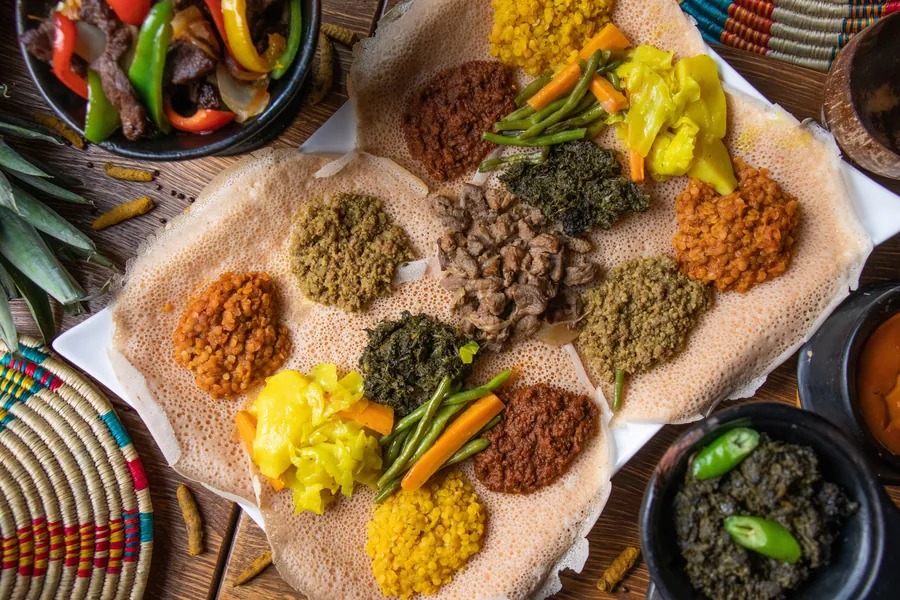 Ethiopian diets are mostly plant-based, containing pulses, vegetables, and grains that are often fermented.It will take two main actions. With the World Diet Atlas, the team will map heritage diets detailing foods and how these are sourced, prepared, and eaten. They will also make this resource freely available.
Secondly, the World Diet Project will study the biological effects that these heritage diets have using consistent methods to enable comparing findings across populations.
Initiative co-lead Quirijn de Mast of Radboud University Medical Center, the Netherlands, comments: “These diets are not a blueprint for healthy eating, but they are biologically and culturally unique. Food influences our health in many ways and plays an important role in preventing disease.”
Value of examining heritage diets
The initiative’s founders’ recent research gives a peek into how analyzing heritage diets can reveal insights into how foods shape health.
For instance, a trial in the Kilimanjaro region of Tanzania revealed that men who swapped local heritage diets, rich in legumes, whole grains, and fermented foods, for processed Western-style diet led to increased inflammation and biological changes linked to chronic disease within two weeks.
Meanwhile, those who swapped the processed, Western diet for a heritage diet or drank the traditional fermented millet-and-banana drink reduced inflammatory markers.
“With the World Diet Initiative, we are now building the infrastructure to capture this knowledge and translate insights from heritage diets into health benefits for people worldwide — from preventing chronic diseases to better understanding how nutrition shapes immune function and vaccine responses,” concludes De Mast.
Previously, Nutrition Insight connected with researchers examining nine Ethiopian fermented foods and beverages who proposed that foreign microbial communities may be cultivated to develop next-generation probiotics. Probiotic biodiversity is the main difference between traditionally fermented foods and that of industrial meals.