



Mouse study finds red meat could inflame IBD symptoms through gut microbes

Key takeaways
- A study found that beef-protein diets caused severe gut inflammation in mice by altering microbes and bile acids, while pea protein caused only mild symptoms.
- The negative inflammatory effects of the beef-protein diet were prevented by dietary psyllium, which restored beneficial gut bacteria and normalized bile acid ratios.
- The research suggests casein may also be protective, indicating that a protein’s impact on gut health involves more than a simple plant versus animal categorization.
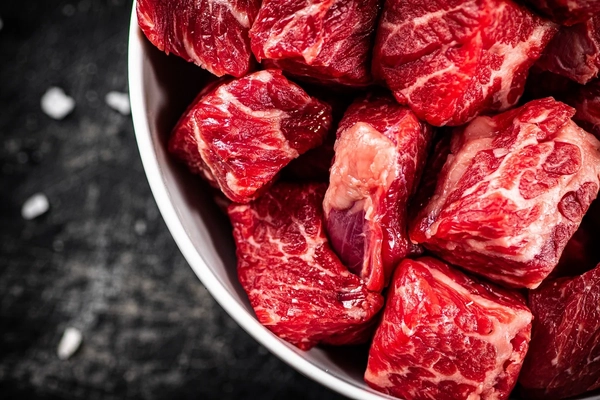
A recent mouse model study reveals the ways that red meat could worsen inflammatory bowel disease (IBD), while plant-based protein sources may help protect the gut and its microbiome. Scientists discovered that mice fed a beef protein isolates developed the most severe intestinal inflammation. Meanwhile, those fed pea protein displayed only mild symptoms.
To learn more about how the findings could translate to dietary guidance, Nutrition Insight speaks to study author David Montrose, Ph.D. assistant professor at the Department of Pathology and director at Stony Brook University’s School of Medicine, US.
“This is an ongoing area of investigation, but we hypothesize that either the amino acid composition or the particular peptides that consume this type of protein delivered to the colon (after being digested) could be playing a role,” he tells us.

“IBD cases have risen in the US and worldwide over recent decades, alongside increased consumption of animal protein, including red meat. Previous studies have linked red meat intake to a higher risk of developing or relapsing IBD, but the biological reasons have remained unclear.”
Impact of food, gut & bile acids
The research points to interactions between protein sources, gut microbes, and bile acids. “Importantly, it is the interplay of each of these factors that gives rise to the biology being observed, so no single factor outweighs the other,” says Montrose.
According to the findings, differences in inflammation seem to be driven by how gut microbes interact with the intestinal barrier and bile acids — these processes can either promote or reduce inflammation.
In the study published in Cellular and Molecular Gastroenterology, researchers tested various protein isolates from beef, egg whites, casein, soy, and pea across chronic and acute IBD mice models. Mice were inoculated with pooled human IBD patient fecal microbiota then fed their designated diets for 14 days.
 The results may be helpful for informing future dietary guidance aimed at reducing disease risk and severity.The researchers quantified gut microbes using 16S-sequencing and evaluated their role through antibiotic depletion, germ-free, selectively colonized gnotobiotic, and fecal microbiota transplant mouse studies.
While highlighting limited evidence-based dietary guidance for IBD, the new findings suggest that mice fed a beef-protein diet developed the most severe intestinal inflammation. In contrast, those consuming pea protein experienced only mild symptoms. These findings were consistent across models and independent of sex.
According to the paper, beef protein’s effect on colon inflammation — also known as colitis — was microbially mediated. In the absence of colitis, beef protein feeding reduced the abundance of beneficial Lactobacillus johnsonii and Turicibacter sanguinis bacteria.
In terms of symptom triggers, beef protein-fed mice had more buildup of harsh, irritating digestive bile acids in the gut, while consuming pea protein kept these levels low.
The scientists also found that dietary psyllium helped to protect against beef protein-mediated inflammation, while restoring bile acid-modulating good bacteria and normalizing bile acid ratios.
Importance of clinical diets
Beyond pea protein, Montrose points to study data suggesting that casein may also be a protective protein source — or at least less harmful than other sources.
“Since casein is animal-derived, these findings hint at the fact that the differential effects of protein source on gut inflammation may go beyond simply categorizing them by plant versus animal,” he notes.
Ultimately, the study suggests that dietary choices play a key role in shaping gut health and that alternatives can help protect the gut, combined with gut microbes and genetics. “These findings highlight the potential importance of considering the protein source used in these products,” says Montrose.
To guide clinical approaches to sustain IBD remission, the researchers call to address all three determinants of the condition, including diet. They note that a well-controlled dietary intervention trial in human patients with IBD — demonstrating whether a certain dietary protein source either lengthens remission time or shortens the duration of an acute flare — would help to solidify clinical recommendations.
“We demonstrated that when all three IBD-driving factors — host susceptibility, microbe, and environment — intersect, severe and progressive intestinal inflammation occurs,” they write. “The poor long-term success of current human IBD therapies may reflect a failure to reconcile the multiple determinants of IBD.”
For instance, they highlight that addressing just one factor, such as suppression of host inflammation, leaves the patient vulnerable to recurrent disease from persistent dysbiosis and when encountering environmental triggers.
“We suggest that durable long-term remission requires simultaneously addressing all IBD determinants, and as such, investigations into environmental drivers of IBD, especially diet, are required to guide clinical approaches to maintain sustained remission,” they conclude.
The research team believes their insights highlight the potential for diet, particularly choices centered on protein source, to help manage IBD. The results may be helpful for informing future dietary guidance aimed at reducing disease risk and severity, the authors note.