




WHO, UNICEF & 21 countries call to bend the obesity curve by 2030
Key takeaways
- The WHO, UNICEF, and 21 countries have launched a joint initiative to cut obesity prevalence by 5%, and where obesity is highest, the first goal is to halt its rise.
- The call backs prevention, early identification, and treatment. Its measures include sugar-sweetened beverage taxes, front-of-pack labels, restrictions on marketing to children, and regulation of UPFs.
- The IFBA supports the goal but calls UPF regulation “misguided,” while PAHO warns that adult obesity in the Americas could reach 73% by 2030.


The WHO, UNICEF, and 21 countries have launched a global initiative to cut national obesity prevalence by 5% by 2030 at the Global Obesity Summit in Madrid, Spain, the WHO announced on November 17. However, where obesity is most prevalent, the first step is to stop the rising trend, they note.
The “Bending the curve by 2030” initiative targets the rising global obesity levels that affect more than 1 billion people, notes the WHO. It adds that obesity prevalence has more than doubled since 1990 among adults, while for adolescents, it has quadrupled.
The parties urge coordinated action, including prevention strategies, early interventions, and accessible treatment.

The call advocates measures such as promoting breastfeeding, fostering healthy school environments, and restricting unhealthy food marketing to children. Other measures include taxes on sugar-sweetened beverages, front-of-pack nutrition labels, and regulation of foods high in sugar, salt, or saturated fat and of ultra-processed foods (UPFs), adapted to national regulatory frameworks.
The WHO notes that there are signs of progress already, with some countries reporting declines in obesity rates. It is working with UNICEF to understand what is driving this trend and whether the approaches could be applied to other countries.
Countries signing the call include the government of Spain and the Acceleration Plan frontrunner countries Bahrain, Barbados, Botswana, Brazil, Brunei Darussalam, Egypt, Eswatini, Ireland, Jordan, Malaysia, Mauritius, Mexico, Panama, the Philippines, Portugal, Seychelles, Slovenia, South Africa, Thailand, and Uruguay.
Serious health issue
In 2025, obesity overtook underweight for the first time as the most common form of malnutrition among children and adolescents aged 5– 19 years, warns the WHO. The chronic condition increases the risk of several noncommunicable diseases, including cardiovascular diseases, diabetes, and some cancers, it adds.
 Renaldi says regulating UPFs risks undermining progress on obesity.“Obesity is one of the defining public health challenges of our time, but its continued rise is not inevitable,” says Dr. Tedros Adhanom Ghebreyesus, WHO director-general.
“I commend the commitment shown today by governments to turn the tide on obesity by creating healthier environments, protecting children, and ensuring everyone living with obesity can access the care and support they need.”
The call to action recognizes that there is no single solution to obesity and that several actions are needed, especially on three fronts: preventing overweight and obesity across the population, identifying and supporting people at higher risk earlier, and providing timely, effective, and affordable treatment and care.
“We have a clear and ambitious goal ahead of us: to reduce the prevalence of childhood obesity by 5% by 2030, in front-runner countries and beyond,” says Mónica García Gómez, Spain’s Minister of Health.
“Our success will be measured by our ability to ensure that policies reach schools, neighborhoods, and, especially, families facing the greatest barriers to accessing healthy environments.”
On October 7, the WHO issued its first guidelines on child and adolescent obesity, outlining how health systems and health workers can deliver timely, evidence-based, and people-centered care.
The UPF question in obesity discussions
In response to the global call to action on obesity, the International Food & Beverage Alliance (IFBA) secretary general, Rocco Renaldi, says that the global food and beverage industry association shares the ambition to accelerate progress on preventing and addressing obesity by 2030.
 Barbosa warns adult obesity in the Americas could reach 73% by 2030 (Image credit: David Spitz).“IFBA and its member companies are taking — and will continue to take — meaningful action in these areas through product reformulation, responsible marketing, transparent nutrition information, portion guidance, and innovation that expands healthier choices,” he says. “We support efforts to reduce nutrients of concern, including sodium, added sugars, and saturated fat, and to help consumers achieve balanced dietary patterns.”
“However, the Global Call’s inclusion of a commitment to regulate so-called UPFs as an obesity prevention strategy is misguided and risks undermining the very progress it seeks to achieve,” he warns.
According to Renaldi, certain nutritional foods would fall under the definitions of UPFs without establishing their nutritional quality or health impact. He says that food processing can support food safety, affordability, accessibility, shelf life, and nutrient delivery.
“Broad processing-based restrictions will oversimplify nutrition science, confuse consumers, and discourage the very reformulation and innovation that can improve diets,” says Renaldi.
“We urge WHO and Member States to prioritize policies grounded in the totality of scientific evidence and focused on measurable improvements in nutrition and public health.”
Discussions in the Americas
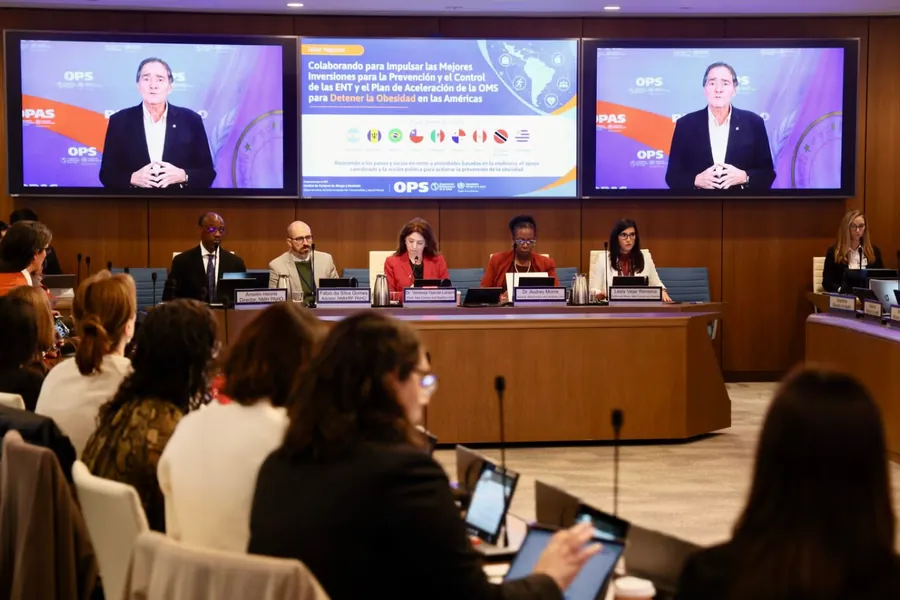
On November 18, to scale up obesity prevention and management, the Pan American Health Organization (PAHO) brought together all Acceleration Plan frontrunners in the Americas for the first time — Argentina, Barbados, Brazil, Chile, Mexico, Panama, Peru, Trinidad and Tobago, and Uruguay. The discussion built on the Global Obesity Summit (Oct 26–28).
“Our region faces one of the world’s highest burdens of overweight and obesity. In 2022, 68% of adults and 38% of children and adolescents aged 5–19 were affected,” comments PAHO director Dr. Jarbas Barbosa. He emphasizes the importance of addressing obesity.
“If current trends continue, the prevalence among adults could reach 73% by 2030, accelerating noncommunicable diseases, widening inequities, and increasing pressure on health systems.”




Upcoming webinars

The future of infant nutrition: From science to success
Valio

From tiny guts to big impact: the powerful potential of probiotics in children’s health
Novonesis

Inside GLP-1 lives: real consumer insights to inspire innovation
FrieslandCampina Ingredients