



US proposes self-GRAS FDA oversight and definition of ultra-processed foods


Key takeaways
- HHS propocses mandatory FDA notifications for companies using the GRAS pathway, replacing the current voluntary system.
- The FDA and USDA have submitted a proposed federal definition of ultra-processed foods for final OMB review, but it is not yet a binding rule.
- CSPI supports greater transparency but says companies should face premarket FDA review, not simply a notification requirement.
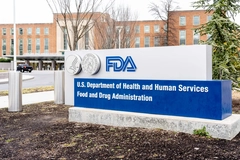
The US government has proposed to modernize federal oversight of food ingredients under generally recognized as safe (GRAS) rules while submitting a final review for its first proposed definition of ultra-processed foods (UPFs). However, the Center for Science in the Public Interest (CSPI) cautions against celebrating these actions too soon, as the proposals are not finalized.
The Department of Health and Human Services (HHS) proposes a rule that requires manufacturers to notify the FDA when concluding that the use of a substance added to human or animal food is GRAS.
“By proposing mandatory GRAS notifications, we are closing critical information gaps and giving the FDA greater visibility into substances entering the food supply,” explains acting FDA commissioner Kyle Diamantas.
“By advancing a proposed definition of UPFs, we seek to create a stronger foundation for future nutrition research. Together, these reforms represent a significant step toward a more transparent and modern food safety system.”
Self-GRAS transparency
The GRAS exemption was established in 1958 so manufacturers themselves could determine whether their commercialized substances are safe under the conditions of their intended use. Based on this, the FDA has operated under voluntary notification programs where companies are not required to notify the agency when making GRAS decisions.
The HHS highlights that the proposed rule would expand the public-facing inventory of submitted notices, improving transparency while enabling the FDA to track ingredients entering the food supply.
For substances already on the market under self-GRAS, the proposal sets a time-limited submission pathway where manufacturers can send the FDA information about their uses.
Commenting on this announcement, CSPI president Dr. Peter Lurie says: “For too long, FDA has been blind to the full universe of novel chemicals used in our foods, and industry has aggressively lobbied against attempts at federal reform. We can be sure that the industry will pull out all the stops to promote its interests as the rule is finalized.”
CSPI welcomes the effort to close the GRAS loophole; however, it points out a need to strengthen the proposal to fully close the gap.
Lurie explains: “The proposed rule will still allow companies to sell products before or during the process of submitting a GRAS notice to FDA — there’s no requirement for companies to get the green light from the FDA before going to market, which is one of the fundamental flaws in the existing system.”
 Lurie flags that the proposed rule will still allow companies to sell products before or during the process of submitting a GRAS notice to FDA.“CSPI urges the FDA to fully close the GRAS loophole by requiring premarket review for all new food chemicals. Moreover, it is unclear how the FDA would enforce a notification provision the administration characterizes as ‘mandatory.’ Mandatory without enforcement is not mandatory at all.”
The FDA started to explore how to eliminate self-affirmed GRAS in March 2025.
UPF definition progress
The HHS and the US Department of Agriculture have also submitted a final review to the federal government, proposing a definition of UPFs. They stress that the absence of a standardized definition has limited research consistency across the government.
Additionally, the HHS says that the proposed definition incorporates feedback from thousands of stakeholders, including industry, consumer organizations, researchers, and members of the public.
The CSPI points out that the definition is not yet published and remains “stuck” at the Office of Management and Budget with no indication of its release.
“It consists of a draft ‘white paper’ rather than a regulatory policy, meaning the definition will have to be operationalized in US policy,” says Lurie.
“CSPI recommends that policymakers take an approach that combines nutrient, ingredient, and processing attributes to ensure that such policies target the processed foods that evidence shows are most clearly linked to health harms.”
He further notes the administration message of telling Americans to “Eat Real Food” contradicts earlier actions; defunding the Supplemental Nutrition Assistance Program (SNAP), cutting nutrition education through SNAP-Ed, ending funding for local food in schools, and proposing cuts in fruit and vegetable benefits through the Supplemental Nutrition Program for Women, Infants, and Children.
“There is only so much a limited GRAS reform proposal and a not-yet-existing UPF definition can do to reverse these harms,” underscores Lurie.