



Flourishing fertility: Ubiquinol and the rise of precision mitochondrial nutrition


Key takeaways
- New research reframes fertility challenges around mitochondrial efficiency, not just hormonal or structural factors.
- The active form of CoQ10, ubiquinol, supports mitochondrial ATP production, improving sperm quality and oocyte energy metabolism.
- The industry is moving toward targeted, mechanism-led formulations focusing on mitochondrial health for reproductive support.

A recent review on ubiquinol has revealed that clinicians and formulators are increasingly seeing fertility as a mitochondrial issue, not just a hormonal or structural one. Products targeting mitochondrial performance may lead to fertility outcomes.
Researchers argue that this active form of coenzyme Q10 is conditionally essential, as the body may not produce enough ubiquinol during reproductive years and at older ages.
Clinical studies so far show ubiquinol improving sperm quality and function in men, while initial findings for women show egg cell quality improvements and better response to fertility treatments.
Nutrition Insight speaks with an independent expert and an executive at Kaneka Europe to learn about precision mitochondrial nutrition, where ubiquinol stands out amid declining fertility demographics.

They also discuss the shift in nutraceuticals toward precision ingredients in formulations as an opportunity for product development.
Ubiquinol’s mechanism
Lead review author Dr. Emma Derbyshire, an internationally recognized nutrition scientist, explains why gametes and early embryos are particularly sensitive to mitochondrial energy status.
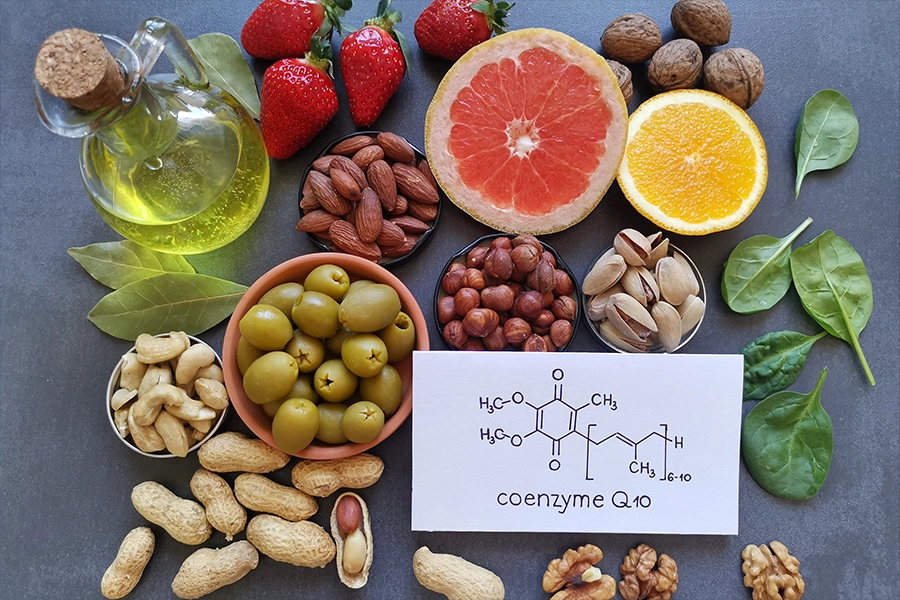 Ubiquinol is the active form of coenzyme Q10.“Female egg cells (oocytes), sperm, and early embryos are highly dependent on mitochondrial oxidative phosphorylation for adenosine triphosphate (ATP) production, with limited metabolic flexibility if mitochondrial function is compromised.”
“Oxidative phosphorylation is the primary pathway through which mitochondria convert nutrients into usable cellular energy, and this process is particularly critical in reproductive cells due to their high energy demands,” she explains.
Additionally, the Nutrients review reveals that within the bioenergetic system, ubiquinol acts as an electron carrier in the mitochondria, maintaining redox balance at the cellular level. This balance is essential for efficient energy production and for preventing oxidative stress and disease.
Oxidative stress is a major contributor to male and female infertility, the authors note.
“Adequate availability of ubiquinol is therefore important for mitochondrial energy metabolism,” adds Derbyshire, who is also an independent consultant for Kaneka Nutrients Europe.
“Scientific literature has associated changes in mitochondrial efficiency with alterations in cellular function in reproductive tissues, particularly with advancing age. Against this backdrop, the review positions mitochondrial nutrition and nutrients such as ubiquinol that are directly involved in energy metabolism as an area of growing scientific and formulation interest within reproductive health research and innovation.”
Nutraceuticals shift to specific ingredients
The review focuses on mechanism-led fertility nutrition, which seeks to understand the biological processes underlying reproductive function, says Derbyshire. It does not rely solely on broad nutritional coverage, meaning its approach examines specific involvement in reproductive cells’ physiological pathways.
“In this context, mitochondrial bioenergetics and oxidative balance are highlighted as important biological mechanisms. Because reproductive cells have high energy requirements, nutrients that participate in normal mitochondrial energy metabolism, such as ubiquinol, are of particular scientific interest.”
“Ubiquinol’s established role in the electron transport chain and its contribution to redox balance provide a clear mechanistic rationale for its inclusion in formulations developed for this category,” she explains.
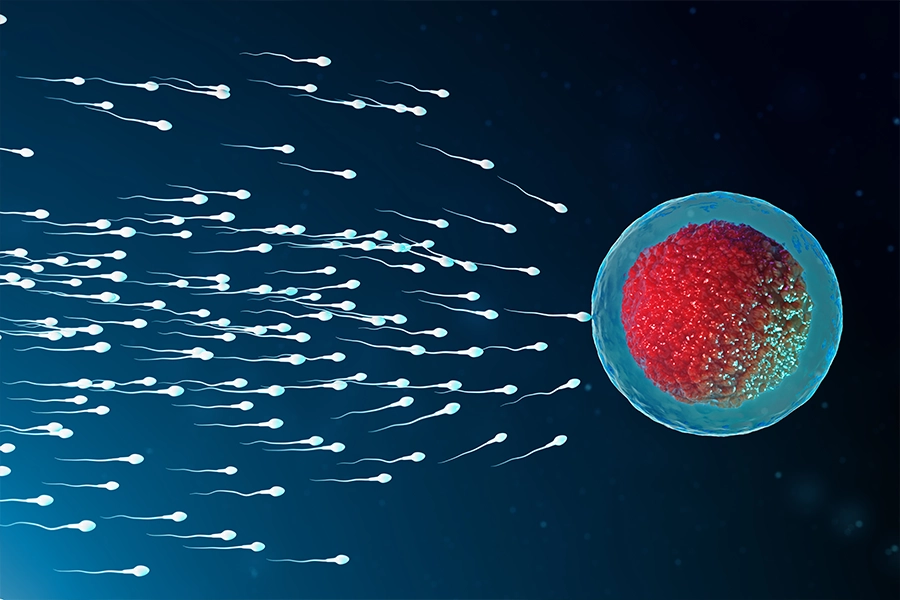 The review shows ubiquinol supports mitochondrial energy production, a key factor in sperm and egg cell function.There is a shift in the nutraceuticals sector, says Derbyshire, where mechanism-focused ingredients are selected based on biological roles and human relevance rather than generalized antioxidant positioning.
Opportunities in precision formulation design
Filip Van hulle, general manager at Kaneka Nutrients Europe, tells us that for formulators, the review shows that fertility nutrition is increasingly moving toward precision design over broad-spectrum formulations.
“Mitochondrial energy metabolism is highlighted as a key biological consideration in reproductive cells, making it a focal point for next-generation product development.”
“In practical terms, this encourages the use of bioavailable ingredients with well-characterized mechanistic roles,” he adds. “Ubiquinol is a strong example, given its involvement in mitochondrial ATP production and its role in maintaining mitochondrial integrity at the cellular level.”
Van hulle also points out that the review reveals a more significant differentiation by life stage and intended user. He points to an opportunity to develop products that are science-backed and positioned around mitochondrial function, not generic preconception support.
Selecting complementary nutrients
Beyond ubiquinol, Van hulle sees broader mitochondrial-support solutions gaining traction in fertility nutrition. This is where complementary nutrients are selected based on whether they help maintain cellular energy metabolism and redox balance.
He adds that ubiquinol remains central due to its known role in mitochondrial function.
“What is evolving is the evaluation criteria for these ingredients. Rather than being included for general health positioning, they are increasingly assessed for their relevance to reproductive cell biology and their ability to function alongside core bioenergetic compounds such as ubiquinol.”
“In male reproductive research, for example, mitochondrial efficiency is recognized as an important factor in cellular energy dynamics within reproductive tissues,” he notes. “This reinforces the importance of selecting ingredients with clear biological roles and demonstrated bioavailability, particularly when developing formulations intended for reproductive life stages.”
Antioxidant support for fertility nutrition products
According to Van hulle, the review indicates a growing focus on bioenergetics, while antioxidant activity is seen more as complementary. Oxidative balance is important in reproductive biology, but cellular energy metabolism is fundamental.
Experts highlight precision mitochondrial nutrition as a key trend shaping next-generation fertility supplements.“Ubiquinol is well-positioned within this context because it plays a dual role in mitochondrial energy metabolism and in maintaining lipid-phase redox balance within cells. This combination makes it particularly relevant for formulators seeking to address mitochondrial function without relying solely on high-dose antioxidant strategies.”
“From a formulation perspective, this integrated approach reflects a more nuanced understanding of mitochondrial biology and aligns with the direction of evidence-led product development in the reproductive health category,” he shares.
Demographic shifts shape research and NPD
Van hulle points to broad demographic trends, such as delayed parenthood and declining fertility rates, shaping approaches to research and product development in reproductive health.
“At a population level, the WHO estimates that infertility affects around one in six people globally, which has increased scientific, clinical, and industry attention on the biological factors involved in reproductive function.”
He continues: “It is well documented in the scientific literature that mitochondrial efficiency and endogenous ubiquinol synthesis change with age, contributing to growing research interest in mitochondrial function across different life stages and physiological contexts.”
Furthermore, Van hulle says formulations targeting mitochondrial function resonate with industry stakeholders because they align with established cellular energy metabolism pathways in reproductive tissues.
“For brands and formulators, this elevates expectations around scientific substantiation, ingredient quality, and formulation rationale. Within this landscape, mitochondrial nutrition — with ubiquinol positioned as a core bioenergetic compound — remains a key area of ongoing research, innovation, and differentiation,” he concludes.