


Researchers urge parents to intervene in teens’ exposure to food content on TikTok


Key takeaways
- A study has found that teenagers’ dietary choices are influenced by TikTok food content, with influencers, visual presentation, and user comments shaping responses.
- Most teens reported that their parents had little involvement in their TikTok use, but researchers suggest parental guidance could help challenge misleading and potentially harmful diet information.
- The findings add to wider concerns about the influence on youth nutrition from social media, such as body image and eating behaviors, stressing the need for critical media literacy.

Adolescents participating in a study have reported that TikTok influences what they want to eat. The teens said the social media platform’s food content prompts hunger, cravings, and interest in foods. Meanwhile, food-related content may also bring critical conversations about food, bodies, and misleading health information. The researchers urge parents to interrupt their teens’ exposure to food-related content and to gatekeep from potentially harmful information.
The US study included 25 teens aged 15–16 from a school, and included discussions of how they used TikTok, the content they were exposed to, how they assessed it, and their parents’ influence on social media use and eating behaviors.

“Adolescents described TikTok as a highly engaging environment where food content can quickly capture their attention and cue a desire to eat or try something new,” says lead author of the study Adrianna Bell, Ph.D., a registered nurse and public health nurse, and senior research consultant at the Delta Consulting Group.
“While participants generally viewed their parents as uninvolved in their day-to-day TikTok use, they also described times when parents played an important role by interrupting exposure to food-related content and encouraging critical conversations about that content.”
TikTok nutrition
Published in the Journal of Nutrition Education and Behavior, the adolescents reported exposure to a variety of food content on the platform, such as “What I eat in a day” videos, recipes, viral food trends, influencer promotions, and advertisements.
This exposure often influences the teens into wanting to eat these foods. Recommendations from influencers, visually presented foods, and comments from other users were some key drivers.
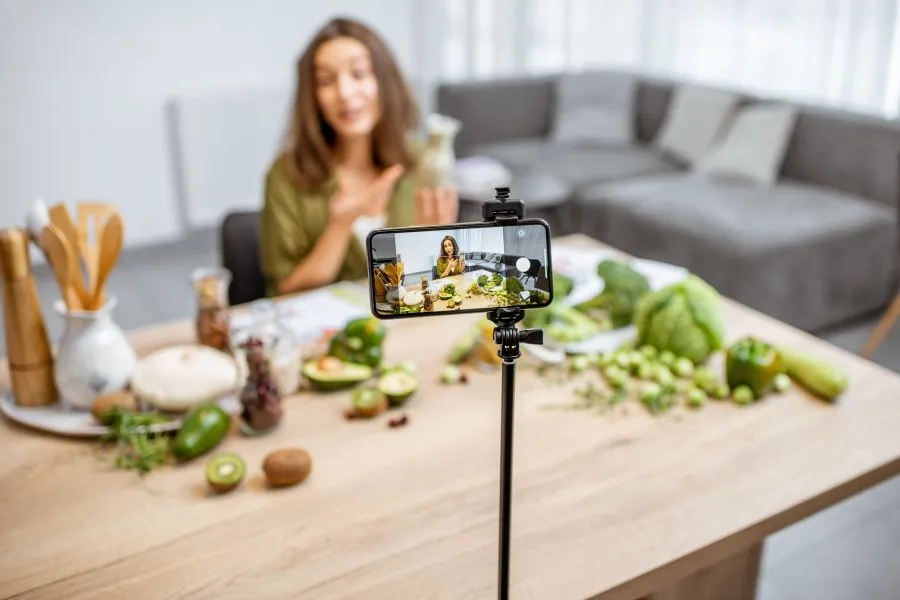 Recommendations from influencers, visually presented foods, and comments from other users were some key drivers.A previous Polish study found similar results: that TikTok significantly shapes young consumers’ food choices. It evaluated the results of 406 active users on the social media platform who completed an online survey.
The author of the Polish study told Nutrition Insight that TikTok also poses a risk driven by diet trends, leading to extremes. For instance, some young users could become overly focused on body image or adopt restrictive or time-consuming diets. This could divert and overtake their attention and hinder their daily routines.
In related science news, another study revealed that “fitspiration,” the social media trend of motivational content around healthy diets and exercise, may bring unexpected negative impacts on the health and well-being of young adults.
The paper found that even short-term exposure can have negative consequences, such as reduced self-esteem, feeling unhappy about one’s looks, reinforcing unrealistic body standards, and causing unhealthy eating behavior. In severe cases, it may also lead to clinical eating disorders.
Parents’ involvement
The new study also looked at parents’ involvement with their children’s TikTok use and found that most teens perceived them to have little or no involvement.
The researchers suggest that parent involvement could provide a protective perspective, such as questioning the credibility of content, claims related to diet and what a body looks like, lifestyle, and informing them that some results are not realistic for everyone.
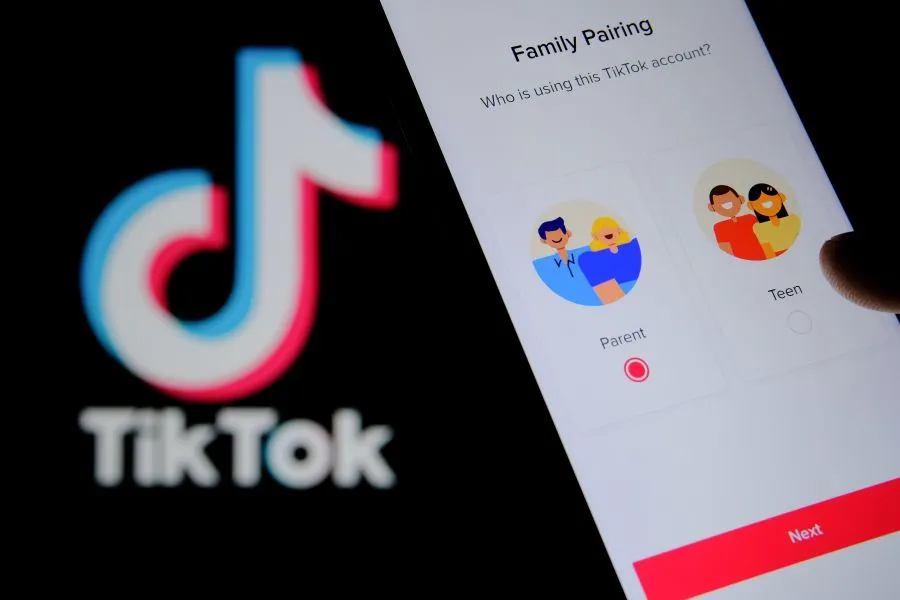 The new study also looked at parents’ involvement with their children’s TikTok use and found that most teens perceived them to have little or no involvement.The authors note that prior research has shown that parents who are involved in their children’s social media use are more likely to engage in conversations about safety, as parents may act as gatekeepers to information and knowledge. The team argues this could also boost nutrition education and critical media literacy.
Balchem Human Nutrition and Health previously told us that the industry can no longer avoid people’s exposure to online nutrition content. It argued that social media presents dangers, especially to young people and GLP-1 users, while discussing the role of ingredient suppliers to make science accessible.
“Influencers play a strategic role in shaping Gen-Zers’ purchasing decisions, with consumers turning to their trusted creators for guidance and advice. In the health and nutrition space, brands need to be especially mindful of the intersection between social media dynamics and scientific claims. The risk of oversimplification — or even misinformation — is real. The question, therefore, is not whether to engage influencers, but how to do so without compromising scientific integrity,” Balchem’s director of marketing told us.
Additionally, a previous US-based study survey found that nearly half of its citizens rely on unaccredited sources, social media, and AI-generated recommendations for nutrition advice rather than trained professionals.