


US consumers turn to unaccredited nutrition advice from social media influencers and AI

Key takeaways
- Nearly half of US consumers act on guidance from social media influencers or AI tools, often without fact-checking or professional input, new research finds.
- Eight in 10 Americans struggle to tell fact from fiction in nutrition, driven by clickbait, viral wellness trends, and pseudoscience.
- Despite evidence-based benefits, 44% are not interested in working with registered dietitians, citing cost, lack of need, or limited awareness.
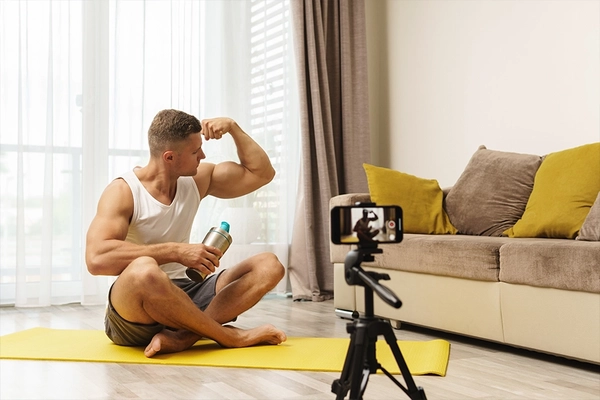
A national survey has found that nearly half of US citizens rely on unaccredited sources, social media, and AI-generated recommendations for nutrition advice rather than trained professionals. It flags that consumers struggle to differentiate reliable data from misinformation.
In response to its findings, the Academy of Nutrition and Dietetics has launched “A Seat at Every Table,” a campaign to raise awareness.
“Nutrition touches every part of our lives, yet there is a major lack of public knowledge about who nutrition and dietetics professionals are,” says Wylecia Wiggs Harris, Ph.D., the Academy’s CEO.
“This campaign raises awareness of registered dietitian nutritionists (RDNs) and nutrition and dietetics technicians, registered (NDTRs). It also underscores the Academy’s mission to strengthen public understanding of the critical role food and nutrition play in improving health and well-being, while expanding access to credentialed expertise where it’s needed most.”

Quick-fix era
The survey reveals that over half of US citizens seek nutrition advice online without fact-checking, revealing a significant gap in evidence-based guidance in shaping people’s health and diet.
The organization highlights that this era is a time of “quick-fix promises” when self-proclaimed experts are taking over social feeds and wellness spaces. As a result, trust in nutrition information and guidance has deteriorated.
According to the survey, 8 in 10 say they struggle to distinguish fact from fiction about food and nutrition. Fifty-six percent rely on their own online research to make nutrition decisions.
Additionally, 46% said they act on nutrition advice from social media influencers, while 1 in 3 have used ChatGPT or another AI tool to create a nutrition or weight-loss plan, though 43% said they do not trust AI for nutrition advice.
Sixteen percent get health information from documentaries, podcasts, and TV shows. These actions do not involve a credentialed expert.
The academy blames clickbait headlines, viral challenges, and pseudoscience for driving confusion, where entertainment and expertise become muddled.
Previously, Nutrition Insight connected with researchers who uncovered this growing disinformation trend. They found that following the nutrition advice of social media “super-spreaders” could put up to 24 million people globally at risk of serious health consequences. Topics focused on biohacking therapies, medical conferences, and promoting keto, carnivore, or raw milk diets.
Role of registered
Despite the prevalence of misinformation, the academy highlights the role of nutrition and dietetics professionals. Their advice is grounded in evidence, personalized care, and practical guidance that factors in culturally relevant meals to support individual health goals.
In the survey, 44% said that they were not interested in working with an RDN or NDTR. The reasons being high costs (33%), feeling like they do not need it (32%), not knowing how to find a dietitian (15%) and not being familiar with dietitians (15%).
“As a registered dietitian, I’ve seen firsthand how powerful evidence-based nutrition guidance can be — yet too many people are making decisions without access to credible guidance,” says the academy president, Deanne Brandstetter, RDN.
“This campaign is about reclaiming trust. Nutrition and dietetics professionals bring scientific rigor, real-world experience, and practical nutrition guidance that helps people make choices that work in real life — whether they are shaping patient care, community programs, food systems, research, policy, or education. ‘A Seat at Every Table’ ensures our expertise is not just available but actively shaping the conversations that determine the health of our nation.”
The survey has been launched amid the release of the 2025–2030 Dietary Guidelines for Americans, which promotes a food-first approach. Nutrition Insight explored its support for supplements, while experts warn of ideological undertones and a lack of transparency in the guidance-making process that may undermine trust in nutrition science.
In other related news, menopause misinformation is also driving women to seek care from unverifiable sources.