




Ocean Stewardship Initiative urges industry support for sustainable marine protection

Key takeaways
- The Sustainable Markets Initiative launched the Ocean Stewardship Initiative to help create one of the world’s largest MPAs, covering 70% of the Antarctic Peninsula.
- Developed with Aker BioMarine, the initiative promotes private-sector involvement in science-based fisheries management alongside conservation.
- If approved under CCAMLR, the proposed no-take MPA would protect biodiversity, regulate krill fisheries, and boost Antarctic Ocean protection by up to 15%, supporting global 30×30 targets.
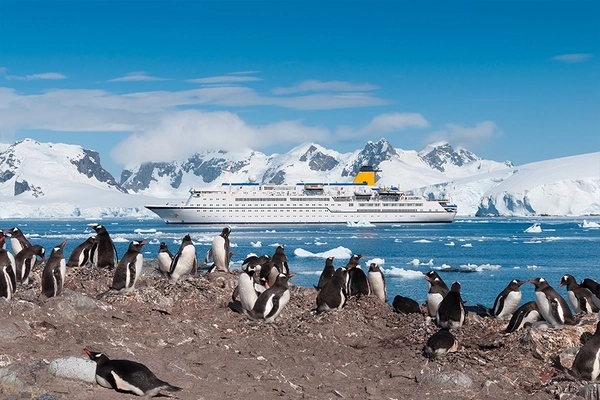
The Sustainable Markets Initiative has launched the Ocean Stewardship Initiative to create one of the largest Marine Protected Areas (MPAs) in Antarctica, which has drawn support from the omega-3 industry sourcing krill.
Founded by King Charles III as The Prince of Wales, the Sustainable Markets Initiative ultimately plans to establish an MPA covering 70% of the Antarctic Peninsula.
Developed in partnership with krill ingredients supplier Aker BioMarine and its subsidiary Aker Qrill Company, with advice from the Marine Stewardship Council, the initiative underscores the private sector’s role in ocean governance.
The project builds on the MPAs proposed by Argentina and Chile under the Convention for the Conservation of Antarctic Marine Living Resources (CCAMLR), the international body that conserves Antarctic marine life.

If successful, the MPAs will be the world’s largest no-take zones, protecting biodiversity and managing fisheries using modern, science-based krill fishery control, says Aker BioMarine. This will enable ecosystem monitoring and spread fisheries in areas that remain open.
The proposal also provides a 15% boost to protecting the total area of the Antarctic Ocean and to protecting Antarctic mammals across almost half a million square kilometers of the Southern Ocean.
Krill is a source of eicosapentaenoic acid (EPA) and docosahexaenoic acid (DHA), astaxanthin, and phospholipids used to make supplements and nutritional ingredients for humans and pets. For example, recent research has found that krill oil helps preserve muscle mass and strength during weight loss.
However, krill is also a significant food source for baleen whales, penguins, fur seals, and fish in the Antarctic regions.
Private sector should be involved
Aker BioMarine expects that if the Sustainable Markets Initiative is approved, it would contribute to global targets of protecting 30% of the ocean by 2030 — which at the moment sits at 2.8%.
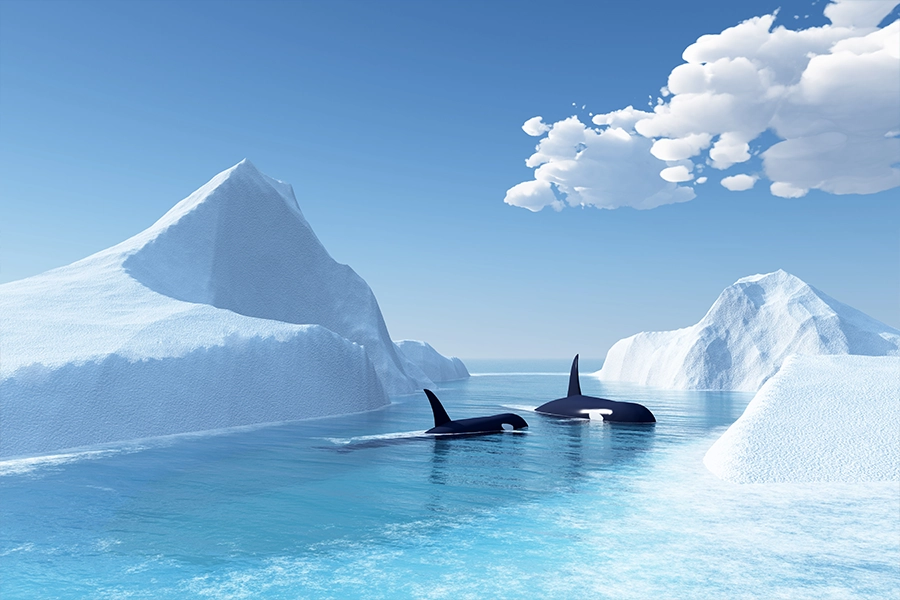 The Ocean Stewardship Initiative supports a proposed MPA covering 70% of the Antarctic Peninsula.“The private sector has a decisive role in shaping the ocean economy,” says Jennifer Jordan-Saifi, CEO of the Sustainable Markets Initiative. “Governments set the rules, but delivery depends on capital, companies, and supply chains moving in the same direction with a default sustainable mindset.”
“This initiative is about private sector leadership aligning ocean-based value creation with conservation, sustainable fisheries management, and meeting the world’s 30 by 30 target. Our hope is that private sector support for the CCAMLR MPA and krill fisheries management framework can serve as a model for similar efforts around the world.”
The initiative also comes amid geopolitical uncertainty, which Aker BioMarine believes requires a stronger role for industry to translate commitments into action.
“For fishing companies, this is no longer a question of whether MAPs will happen,” said Matts Johansen, CEO of Aker BioMarine and chair of Aker Qrill Company.
“The real question is whether industry chooses to engage constructively and be part of the solution or remain on the sidelines while the rules are shaped without its involvement.”
Nutrition Insight recently spoke with Alfred Wegener Institute’s biologists to learn why it is essential for industry and scientists to work together for optimal krill management. They encourage viewing the industry less as an opponent and more as a partner.
Multistakeholder support
Scientists are urging for greater cross-sector collaboration with the key industry players that use krill for food and supplements to secure ocean stocks for the future.
“Effective ocean management requires stewardship of the entirety of our ocean built on science, transparency, and accountability,” comments Rupert Howes, CEO of the Marine Stewardship Council.
“Strong protection measures and well-managed fisheries go hand in hand, and both are essential to the future of the ocean. Given the unique ecological importance of the Southern Oceans, there is a compelling case for this government-proposed MPA with multistakeholder support from both industry and NGOs.”
Previously, we spoke with Aker BioMarine about strategies for balancing ocean health and global nutrition demands. With the British Antarctic Survey, we also dived into the regulations and sustainability of Antarctic krill trawling amid rising public scrutiny and climate-stressed krill populations.