

Superbrewed Food’s postbiotic cultured protein matches whey for muscle building


Key takeaways
- A clinical study finds that Superbrewed Food’s postbiotic cultured protein (SB1) matches whey protein isolate and pea protein in muscle-building.
- Researchers found all three tested proteins shared a shortfall in lysine and methionine, which cells need to build and repair muscle tissue.
- Using a novel stable isotope tracer method, the study reveals new insights into intracellular amino acid utilization.

New clinical findings from a randomized, single-blind, placebo-controlled crossover study finds that Superbrewed Food’s Postbiotic Cultured Protein (SB1) performs comparably to “gold standard” muscle-building whey.
Additionally, it proved just as bioavailable as pea protein while offering a stronger baseline amino acid profile. However, all three tested proteins offer limited lysine and methionine amino acids.
Derived from anaerobic fermentation, SB1 is marketed as a nutrient-dense, sustainable, animal-free protein ingredient. According to Superbrewed Food, it offers more neutral flavor and appearance, compared to plant protein concentrates and isolates. It also does not require isolation to remove antinutritional factors.
The study is the first to directly compare SB1 against whey protein isolate and pea protein isolate using a novel stable isotope pulse technique. The method, which tracks circulating protein in the blood, simultaneously measures amino acid bioavailability and the intracellular anabolic response to a meal.
Nutrition Insight speaks to Bryan Tracy, CEO at Superbrewed Food, to explore the findings ahead of their publication. He highlights the validity of the comparisons while explaining how the novel testing method used in the study may have wider applicability in nutrition research.
“The simple answer is that we don’t know yet what is driving this comparable muscle-building response,” he tells us. “SB1 isn’t just another protein isolate — it’s a whole-cell postbiotic derived from a microorganism naturally associated with the digestive microbiome.”
“The emerging field of the gut-muscle axis suggests that proteins may do more than simply provide amino acids. We believe whole-cell proteins like SB1 may contain naturally occurring bioactive components that influence how the body responds to nutrition, but understanding mechanisms of what we call ‘Whole-Cell Intelligence’ will require additional research.”
Protein contenders
The study enrolled 10 healthy adults, five women and five men, with a mean age of 31.4 years and a body-mass index (BMI) of 25.2 kg/m² at Texas A&M University, US.
After completing a screening visit, each participant took part in four non-consecutive study days, each separated by a minimum of 48 hours of washout. During the washout phase, they received one of four interventions in randomized order: Postbiotic Cultured Protein, whey protein isolate, pea protein isolate, or a water placebo.
_(002).webp) Postbiotic Cultured Protein by Superbrewed Food, branded SB1 (Image credit: Superbrewed Food).On each study day, participants consumed 45 g of the assigned protein over five hours. At hour three, researchers intravenously administered 10 labeled essential amino acids to track postmeal amino acid kinetics and the intracellular anabolic response.
Postbiotic Cultured Protein by Superbrewed Food, branded SB1 (Image credit: Superbrewed Food).On each study day, participants consumed 45 g of the assigned protein over five hours. At hour three, researchers intravenously administered 10 labeled essential amino acids to track postmeal amino acid kinetics and the intracellular anabolic response.
The study revealed that amino acid bioavailability was approximately 75% for all three proteins, indicating that Postbiotic Cultured Protein delivers amino acids into circulation as efficiently as whey and pea protein.
Net intracellular protein synthesis, expressed as a percentage of ingested protein, was not statistically different across the three sources with large individual variability accounting for the lack of statistical separation.
However, the findings suggest SB1 may offer a stronger amino acid foundation than plant protein. The data reveals that fewer essential amino acids would need to be added to Postbiotic Cultured Protein than to pea protein to optimize its protein quality.
Tracing protein through blood
The researchers also analyzed blood samples using a new tracer method, Liquid Chromatography-Tandem Mass Spectrometry, which was developed by a team led by Dr. Nicolaas Engbertus Petrus Deutz, professor at the department of Kinesiology & Sport Management at Texas A&M University.
“Deutz believes this tracer method has the potential to change how protein quality is evaluated in the future,” says Tracy.
“Traditional measures of protein quality focus on what goes into the body — amino acid composition and digestibility. This approach instead measures how efficiently those amino acids are actually utilized after consumption. One particularly exciting aspect is that it enables meaningful acute studies, which can provide insights into protein utilization without relying exclusively on lengthy feeding trials.”
Beyond comparing individual proteins, Tracey believes the method also opens the door to evaluating protein blends and complete meals in a much more physiologically relevant way. “If further validated, it could become an important complement to today’s protein quality metrics.”
Lysine as a limiting factor
The study found that all three protein sources lacked enough lysine and methionine to meet what cells typically require to build and repair tissue. A shortfall of these amino acids, which is even common among high-quality proteins, requires the body to draw on its own amino acid reserves to compensate.
“This was one of the more unexpected findings from the study,” says Tracy. “Leucine has long been recognized as a key driver of muscle protein synthesis, so observing lysine as the apparent limiting amino acid across all three protein sources — including whey — was intriguing.”
“While this is just one study and requires confirmation, it suggests there may be more to learn about intracellular amino acid availability and whether current approaches fully capture how amino acids are delivered and utilized by muscle. If validated, these findings could influence not only protein formulation strategies but also how we evaluate protein quality in the future.”
Superbrewed Food presented these findings at Nutrition 2026, the first annual meeting of the American Society for Nutrition in Washington, D.C., US. It debuted alongside other companies’ scientific developments showcased at the conference, including advances in citicoline for neuromuscular health and cow’s milk free of A1-type beta-casein for infant nutrition.
Next research steps
Tracy believes the findings reinforce that the next generation of alternative proteins should be evaluated not only by their composition, but by how effectively the body utilizes them.
“Consumers are increasingly seeking proteins beyond dairy for nutritional, sustainability, and lifestyle reasons, but relatively few novel proteins have been rigorously compared to whey using measures of biological utilization,” he notes.
“As a whole-cell protein derived from a microorganism naturally associated with the digestive microbiome, SB1 also raises intriguing scientific questions about whether microbiome-derived proteins may offer nutritional advantages that we're only beginning to understand.”
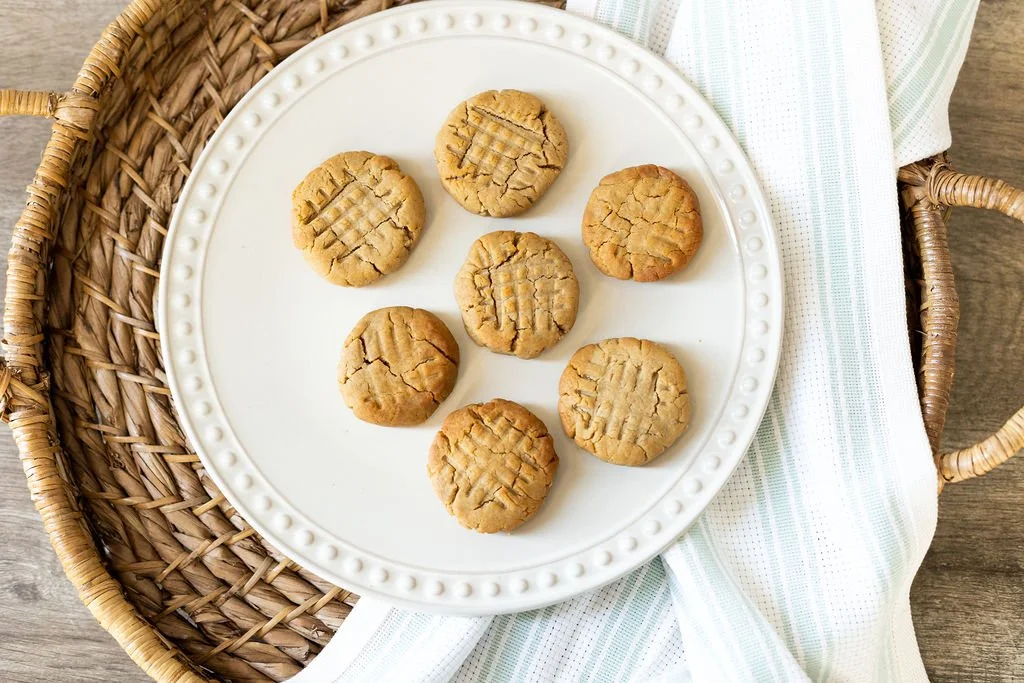 Cookies baked with SB1 protein (Image credit: Superbrewed Food).The next step for researchers would be to confirm these findings in larger cohorts and extend them to populations such as athletes, healthy older adults, and individuals with increased protein needs.
“We also see tremendous opportunity to apply advanced stable isotope techniques, including intrinsically labeled SB1, to directly measure muscle protein synthesis and gain a deeper understanding of how the protein is utilized,” adds Tracy.
“Just as importantly, SB1 represents a new class of whole-cell postbiotic proteins. While protein science has traditionally emphasized amino acid composition and digestibility, the biological contribution of postbiotic proteins remains largely unexplored. We believe that’s an exciting new frontier for protein nutrition research.”
Earlier this year, Superbrewed Food partnered with Döhler to launch its production of SB1, spearheading its first commercial-scale manufacturing. Initial commercial volumes are now shipping into premium sports and lifestyle nutrition applications in the US.
The company has submitted novel food applications in both the EU and the UK, and is pursuing regulatory approval in Canada. It plans to expand submissions into global markets beyond Europe and North America over the next 24 to 36 months.