



Arginine-rich diet aids immune detection of cancer cells in mouse study


Key takeaways
- A study from Rockefeller University has found that arginine-rich diets increased MHC-1 protein production, helping immune cells detect cancerous and virus-infected cells.
- In the study conducted on mice, higher arginine intake was associated with fewer colon cancer tumors.
- The researchers say human trials are needed, but that the findings suggest arginine supplementation could complement cancer immunotherapies.

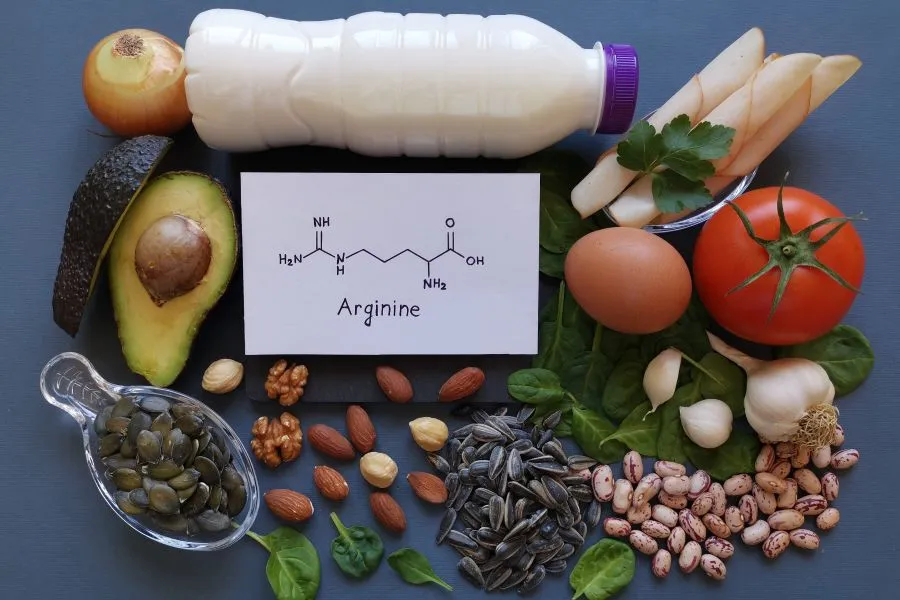
A study indicates that the amino acid arginine, commonly found in high-protein foods, has benefits for cellular and immune health as it is a building block of protein essential for carrying out multiple cellular processes.
Arginine is found in most protein-rich foods, including poultry, beef, pork, dairy, fish, and nuts.
The researchers have been studying arginine for immune health for multiple years and found in 2023 that if colon cancer cells are starved of arginine, mutations increase. Low levels of arginine are linked to multiple diseases, including colon cancer.
The new research adds to those findings, finding a link between diets deficient in arginine and stalled MHC-1 (Major Histocompatibility Complex class I) production, which alerts the immune system to dangers such as invading viruses or mutating cells, the authors explain.
“Our work reveals how a lack of arginine interferes with the immune system, and suggests that upping arginine intake could prove beneficial,” says first author of the study, Qiushuang Wu, a postdoc at Rockefeller University, New York, US. “Perhaps that means it could be used in combination with other therapies to treat both cancer and viral infections.”
Sohail Tavazoie, co-author and head of Rockefeller University’s Elizabeth and Vincent Meyer Laboratory of Systems Cancer Biology, says that arginine supplementation could be readily tested in patients receiving immunotherapies or given to high-risk populations exposed to viral pathogens.
“Considering that arginine is inexpensive and readily available, we hope that therapeutic and preventative studies could be undertaken soon,” he says.
Levels of arginine
The study, published in Cells, was conducted on mice, testing the impact of different levels of arginine. Higher arginine levels were linked to fewer colon cancer tumors and lower arginine levels were linked to more colon cancer tumors.
 One of the most dramatic patterns to emerge was that arginine was the most depleted amino acid in all of these diseases, says Wu.Wu explored whether the changes in arginine levels caused by diseases and diet could change gene expression for multiple diseases, including colon cancer, influenza, and COVID-19. In all of these diseases, patients have been previously shown to have “abnormal amounts” of amino acids.
“One of the most dramatic patterns to emerge was that arginine was the most depleted amino acid in all of these diseases,” says Wu.
When tracking which genes were affected by low arginine levels using cell cultures, she found that 414 proteins were abnormally low.
“More surprising, however, was that a lack of arginine hampered the expression of a trio of HLA (Human Leukocyte Antigen) genes that code for MHC-1 (major histocompatibility complex class I) proteins. Found on cell surfaces across the body, MHC-1 presents foreign proteins to T cells, which in turn signal other immune cells to mount a defense,” say the authors.
A similar pattern
The team expected that a lack of arginine would have a negative effect in one way or another on protein production, but the reason was still unclear. They found that in an arginine-starved environment, MHC-1 protein production was stalled due to the lack of the amino acid. This led to fewer proteins being produced to alert T cells to the presence of cancer or viral proteins.
“These findings are exciting because they reveal that consumption of a specific amino acid can directly regulate gene expression in an organism by increasing production of a protein enriched in that amino acid,” says Tavazoie. “We believe that such selective translational tuning of gene expression through dietary manipulation likely extends to many other proteins and amino acids.”
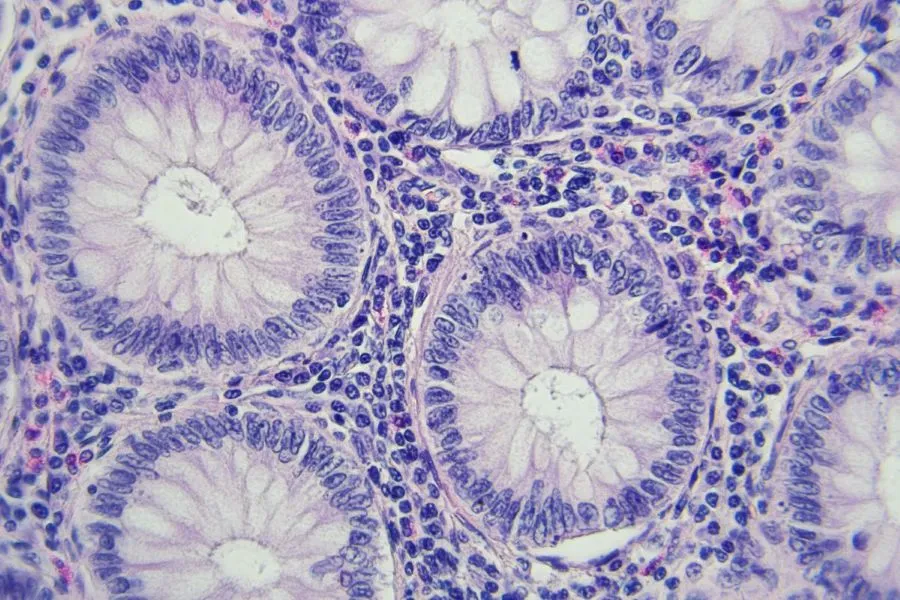 Tavazoie comments that the findings illuminate how poor diet and aging could create “the perfect storm” for the initiation of colon cancer. The same pattern emerged when tested for COVID-19. Wu explains: “Not only did mice with an arginine-rich diet have milder symptoms from viral infections, giving the mice arginine after influenza infection improved their outcomes too.”
“That was very surprising. From our genetic models, we knew manipulating arginine levels had a strong effect on gene expression, but we didn’t expect the dietary manipulation to be equally impactful.”
Tavazoie comments that the findings illuminate how poor diet and aging — during which arginine levels naturally decline — could create “the perfect storm” for the initiation of colon cancer.
“Similarly, age-related arginine loss could partially contribute to the greater mortality caused by respiratory viruses. We’re also investigating whether making dietary changes in other amino acids has beneficial effects in a variety of disease contexts.”
Previous studies have demonstrated benefits from arginine outside of immune health. One study found it can change plaque formation, thereby protecting against dental caries.
Last year, Japanese researchers from Kindai University found that oral arginine may significantly reduce a precursor to Alzheimer’s disease. The researchers said that arginine supplementation also supported broader neuroprotective and anti-inflammatory effects.