



Skin care from within shifts from hype to science-backed ingredients


Key takeaways
- Skin care from within is shifting toward clinically validated, personalized, and multifunctional solutions.
- Collagen remains a leading ingredient, but interest is growing in complementary actives and biotics that support hydration, elasticity, radiance, and healthy aging.
- While social media accelerates demand for concepts like “glass skin” and “collagen banking,” experts say long-term success depends on clinical evidence and effective dosages.

Skin care from within is moving away from trendy buzzwords to clinically backed ingredients, while brands are recognizing greater consumer demand for simplified and personalized supplement regimens. Consumers across generations seek products with transparency in an increasingly complex landscape of choices on the market.
Nutrition Insight sits down with experts from Balchem Human Nutrition & Health, Nexira, BioCell Technology, Lubrizol Nutraceuticals, and Monteloeder by SuanNatra to discuss the latest shifts in skin care from within, the most popular ingredients, how social media is driving demand, and what formulators should keep in mind when creating products.
Jessica Arnaly, senior marketing & business development manager at Balchem Human Nutrition & Health, says the market is being shaped by two broader shifts: “skin minimalism” and personalization.
“The era of ‘more-is-more’ consumption has ceded ground to a new focus on value and individuality, where consumers seek fewer, but more strategic solutions for their skin care routines.”
She details that as routines get simpler, many are turning to nutricosmetics to complement what they put on their skin. This “inside-out” approach is driving demand for multifunctional formulations that can deliver on multiple fronts, combining skin care benefits — like hydration and anti-inflammatory effects — with holistic health support.
“A walk around the Vitafoods Europe show floor this May made the trend impossible to miss, with collagen-enriched coffees, biotic-powered solutions, and a growing number of beauty-from-within concepts taking center stage across exhibitors’ booths,” Arnaly details.
“Closely linked to personalization is the growing emphasis on quality and science. Modern consumers are more informed than ever, with many actively researching ingredients, looking for scientific backing, and demanding proof of efficacy before they buy. As a result, quality has become a top purchase driver.”
Ingredients popularity
Julie Impérato, marketing and communication manager at Nexira, shares that the beauty-from-within category is evolving from traditional anti-aging toward a broader healthy aging approach.
She says consumers are looking for ingredients that support skin quality, radiance, hydration, and elasticity while helping them age gracefully, while there is also a growing demand for ingredients that combine three dimensions: naturality, sustainability, and scientific substantiation.
“This is precisely where ingredients such as Oli-Ola, Nexira’s olive fruit extract, are gaining traction. Beyond its Mediterranean origin and upcycled sourcing story, Oli-Ola is supported by a nutrigenomic study and two placebo-controlled clinical trials demonstrating benefits on skin elasticity, hydration, and dark spots.”
 Impérato says consumers are looking for ingredients that support skin quality, radiance, hydration, and elasticity while helping them age gracefully.Impérato adds that collagen remains a leading ingredient, but consumers are increasingly looking for complementary mechanisms beyond skin structure support.
“Antioxidant-rich botanicals are attracting significant interest because oxidative stress is recognized as one of the key drivers of skin aging. Olive polyphenols are particularly relevant in this context.”
In the case of Oli-Ola, she notes that the ingredient is standardized in hydroxytyrosol and tyrosol, two well-known olive polyphenols.
“Nexira’s nutrigenomic research demonstrated significant modulation of genes involved in antioxidant skin protection and a 59% reduction of an oxidative stress marker in skin models,” says Impérato.
Amir Vanderfox, global sales manager at BioCell Technology, echoes that collagen remains a key ingredient that consumers seek, while also seeing significant interest in hyaluronic acid, ceramides, antioxidants, and vitamin C, particularly when these ingredients support hydration, skin elasticity, and overall skin appearance.
“Overall demand for beauty-from-within products remains strong and continues to grow. Social media can certainly accelerate interest in specific ingredients, but long-term success is typically driven by scientific validation and consumer trust. Ingredients supported by clinical research tend to maintain relevance beyond short-term trends,” he shares.
Social media driving demand
The overall demand for beauty-from-within is stable, because it is linked to long-term macrotrends such as healthy aging, preventive wellness, holistic beauty, and the connection between appearance and overall well-being, shares Danay Cubero, commercial director for Branded Ingredients EMEA at Monteloeder by SuanNatra.
“However, the popularity of specific ingredients, formats, and claims can fluctuate quickly, especially due to social media. Concepts such as ‘glass skin,’ ‘skin barrier,’ ‘collagen banking,’ ‘slow aging,’ ‘glow-from-within,’ or ‘scalp care’ can rapidly influence consumer interest.”
“This creates opportunities, but also risks. Social media can accelerate awareness, but not every viral ingredient has the same level of scientific support. For brands, the challenge is to respond to consumer trends while remaining anchored in evidence, effective dosages, and responsible claims.”
 The popularity of specific ingredients, formats, and claims can fluctuate quickly, especially due to social media, says Cubero.She argues that the most successful products will be those that combine trend relevance with clinical credibility.
Arnaly from Balchem says the demand for beauty-from-within solutions remains robust, but the spotlight on specific ingredients can be dynamic.
“Social media plays a significant role here, as it provides a platform for trends to surge quickly when influencers spotlight lesser-known nutrients or novelty delivery formats. However, viral moments rarely displace the established favorites in the long-term.”
She says Balchem has actively been exploring influencer-led marketing. “Earlier this year, for example, we started new partnerships with health and nutrition specialists to raise awareness of OptiMSM in the B2C space.”
“Our approach goes beyond simply promoting an ingredient. It’s about education, using clear, accessible, and scientifically accurate messaging to help consumers make informed choices. By collaborating with credible experts, we aim to empower consumers as they navigate a landscape that’s increasingly complex and competitive.”
Impérato observes that social media is accelerating ingredient popularity cycles. However, the underlying beauty-from-within trend remains strong and continues to mature.
“What has changed is that consumers are becoming more demanding. A compelling story may attract initial interest, but long-term success increasingly depends on scientific evidence.”
Consumer expectations
Lori Ditty, marketing manager at Lubrizol Nutraceuticals, tells us that evidence-based routines are increasingly reinforcing the value of ingredients proven to offer the benefits claimed.
“Consumers are increasingly focused on recognizable, science-backed ingredients with transparent claims, clean label profiles, and proof of bioavailability. They also demand the convenience of easy-to-consume formats that fit into everyday routines, and better taste and sensory appeal.”
BioCell Technology’s Vanderfox says demand for credible, science-backed products continues to grow across all generations.
“Younger consumers are often focused on prevention, convenience, and clean label products, while Millennials tend to prioritize efficacy and transparency. Older consumers are generally more interested in healthy aging benefits and ingredients with strong scientific support.”
He argues that scientific substantiation should be the foundation of any formulation. “Ingredients should be included at clinically relevant levels and supported by research demonstrating efficacy and bioavailability. Transparency, quality, and consumer compliance are also essential for long-term success.”
Cubero from Monteloeder by SuanNatra observes other clear generational differences in specific target areas.
 Vanderfox says demand for credible, science-backed products continues to grow across all generations.“Gen Z tends to be highly influenced by social media, visual beauty trends, and easy-to-consume formats. They are attracted to concepts such as glow, skin barrier, scalp care, hair quality, and beauty routines that feel modern, convenient, and shareable. Gummies, powders, drinks, and stick packs are especially relevant for this group.”
“Millennials are more focused on prevention, early signs of aging, hydration, stress-related skin concerns, and hair vitality. They often look for beauty products that fit into a broader wellness routine and are supported by credible science.”
She adds that Gen X and older consumers tend to prioritize more specific aging-related concerns such as firmness, elasticity, wrinkles, dryness, collagen structure, and hair thinning. They are usually more responsive to clinical evidence, dosage, and measurable results.
“Across all generations, the common expectation is clarity: consumers want to understand what the product does, why it works, and what visible benefit they can expect.”
Formulating skin care from within
Ditty from Lubrizol explains how innovation is key to solving manufacturers’ formulation challenges – from instability, reactivity, and poor absorption to bitterness and off-flavors.
“Lubrizol’s microencapsulation technologies unlock ingredient potential and enhance the consumer experience. Microencapsulation enables active ingredients to be dispersible in a range of delivery formats and improves the bioavailability of promising but poorly absorbed ingredients.”
“In addition, it can mask any unpleasant flavors and minimize common side effects, such as gastrointestinal discomfort. Microencapsulation can also allow for greater formulation flexibility by limiting interactions with other components and enabling slow release of an active where it is required,” she says.
Impérato at Nexira emphasizes that efficacy must be measurable and clinically demonstrated. For instance, she says formulators should look beyond wrinkle reduction and address multiple dimensions of skin aging simultaneously, including hydration, elasticity, radiance, and pigmentation.
Cubero adds that it is important to formulate around a clear, visible benefit, rather than around a list of trendy ingredients.
“From a formulation perspective, several elements are crucial: clinical substantiation, effective dosage, compatibility with the final format, ingredient synergy, and regulatory-conscious claims. For example, branded ingredients such as Nutroxsun365, Elissara, or Eternalyoung can help brands build more differentiated formulas because they are not just ingredients; they bring a specific beauty territory, scientific rationale, and communication angle.”
“The final formula should be easy to understand, credible, and clearly connected to the consumer benefit,” she says.
Looking forward
Arnaly at Balchem expects the skin care landscape to evolve quickly in the coming years as advances in non-invasive clinical measurements and improved tools for assessing TEWL (Transepidermal Water Loss), skin elasticity, roughness, and hydration are making human studies more practical and reproducible, even in nutrition-based research.
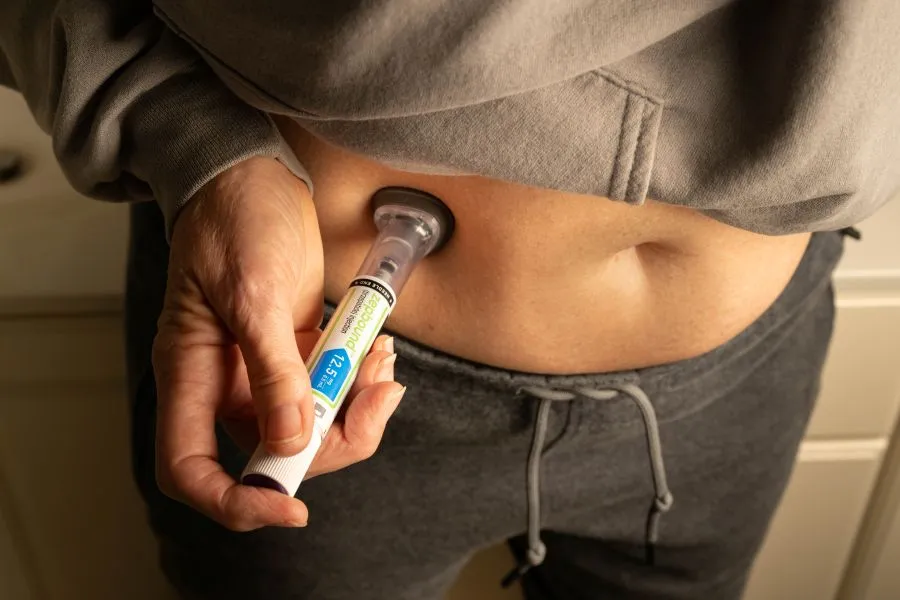 There’s a heightened focus on how rapid weight changes affect skin elasticity and health, shares Arnaly.Other areas of increased interest include supplements supporting GLP-1 medications for weight loss and management. “There’s a heightened focus on how rapid weight changes affect skin elasticity and health — a conversation that’s set to heat up even more.”
“And let’s not forget male consumers, who are increasingly stepping into the beauty-from-within realm. They are becoming more aware of the benefits of skin care and grooming routines, including the use of supplements to enhance their appearance and overall health, positioning themselves as a key strategic target audience for the near future.”
Vanderfox forecasts continued growth for clinically validated ingredients that support multiple aspects of skin health. “Healthy aging, personalization, and multifunctional products that combine beauty and wellness benefits will remain key areas of innovation,” he says.
Cubero says Monteloeder by SuanNatra expects the category to move away from generic “skin, hair, and nails” positioning toward more specific territories such as skin longevity, collagen preservation, photoprotection-from-within, skin barrier support, scalp health, hair vitality, skin glow, and structural skin strength.
“We also expect greater demand for branded ingredients. As the market becomes more competitive, brands will need ingredients that offer not only efficacy, but also differentiation, storytelling, clinical support, and responsible claims.”
“Overall, the future of beauty-from-within will be less about isolated ingredients and more about evidence-based beauty platforms, clear consumer benefits, and visible results,” argues Cubero.