





Peels, seeds and skins pack more fiber than fruit and vegetable flesh, King’s study finds

Key takeaways
- Routinely discarded fruit and vegetable scraps contain significantly more dietary fiber than the flesh in 10 out of 12 studied produce types, a study finds.
- Researchers suggest that these plant components can help bridge the widespread dietary fiber deficit and reduce the millions of tons of annual food waste in the UK.
- While simple kitchen swaps like eating kiwi skins or broccoli stalks increase intake, scaling the benefits requires broader adoption across food manufacturing and foodservice.
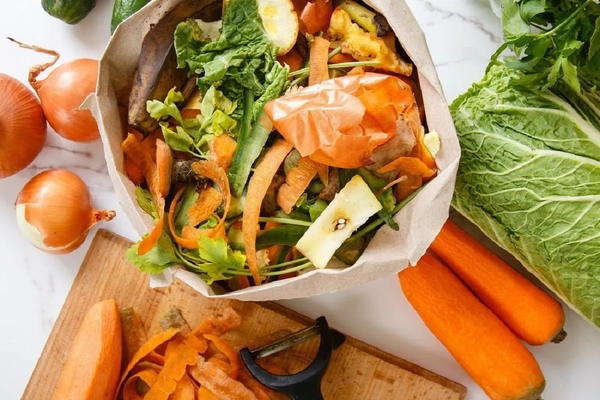
New research from King’s College London, UK, spotlights how routinely discarded scraps from fruits and vegetables — including peels, skins, stalks, and seeds — are an overlooked nutritious source of dietary fiber.
The 12 fruits and vegetables evaluated in the study included butternut squash, bell peppers, broccoli, kiwi fruit, pineapple, and watermelon.
In 10 out of the 12 cases, the researchers note that the commonly discarded “root-to-tip” components offer significantly higher levels of dietary fiber than the portions of these plants that UK consumers normally eat.
“The variation in fiber content between the parts of the food we consume and that most throw away was striking,” says project lead Dr. Rachel Gibson, a reader in Nutrition & Dietetics from the Department of Nutritional Sciences at King’s College London.

“The ‘root-to-tip’ components in our study represented between 25% and 48% of the total weight of the produce,” she adds. “That means people are discarding a significant portion of the produce we buy. And these are parts of the plant that could help address our dietary fiber deficit.”
“This isn’t just a nutritional loss; it’s also a financial one. You’re effectively throwing away a substantial portion of what you’ve paid for.”
Health and waste as a dual crisis
The study published in the peer-reviewed International Journal of Food Sciences and Nutrition underscores that dietary fiber intake falls short of recommendations in most developed nations, while food waste has reached “crisis proportions.”
Current UK dietary recommendations advise a fiber consumption of 30 g per day for adults, but one analysis by the British Nutrition Foundation warns that only 4% of adults meet the recommendation — consuming an average of just 16.4 g per day — while intake levels are similarly low among children and adolescents.
.webp) Butternut squash skin and seeds contained 9.25 g of fiber per 100 g, which is nearly as much fiber as a bowl of bran flakes.At the same time, King’s College London underscores that approximately 10 million tons of food is wasted annually in the UK, with fresh fruits and vegetables representing 36% of this amount.
The team's laboratory analysis measured the total dietary fiber content of both the “root-to-tip” components and the parts typically consumed.
Among the key findings, watermelon rind was found to contain 2.10 g of fiber per 100 g — roughly equivalent to the fiber in a slice of whole meal bread, according to the researchers.
Butternut squash skin and seeds contained 9.25 g per 100 g, which is nearly as much fiber as a bowl of bran flakes. For context, the study authors highlight that just 100 g of butternut squash skin and seeds (around the size of a small apple) could provide nearly one-third of your daily recommended fiber intake.
Meanwhile, pineapple skin and core contained 453.7% more fiber than the flesh. Eating just the skin and core from a pineapple could provide as much fiber as eating five portions of the flesh alone, note the authors.
However, the team found that broccoli stalks contained 28.4% less fiber than the florets typically consumed — therefore, in this case, most people are already eating the more fiber-rich part.
“Importantly, this is not about encouraging people to eat ‘100 g of butternut squash skin and seeds’ to increase fiber intake,” says Dr. Balazs Bajka, senior lecturer in Nutritional Sciences, who led the laboratory fiber testing in the study.
“Rather, by making better use of the often-overlooked parts of fruits and vegetables as part of everyday meals, we have an opportunity to increase dietary fiber intake in a simple and sustainable way. Emerging research also suggests that consuming a wider variety of fiber sources may help maximize the health benefits associated with dietary fiber.”
Designing a “root-to-tip” menu
To learn about how consumers might start incorporating these foods into their diet and gain a better understanding of general attitudes towards them, the study team introduced a “root-to-tip” menu at King’s College London.
Before introducing the concept, they tested it on a focus group of 40 university staff and students.
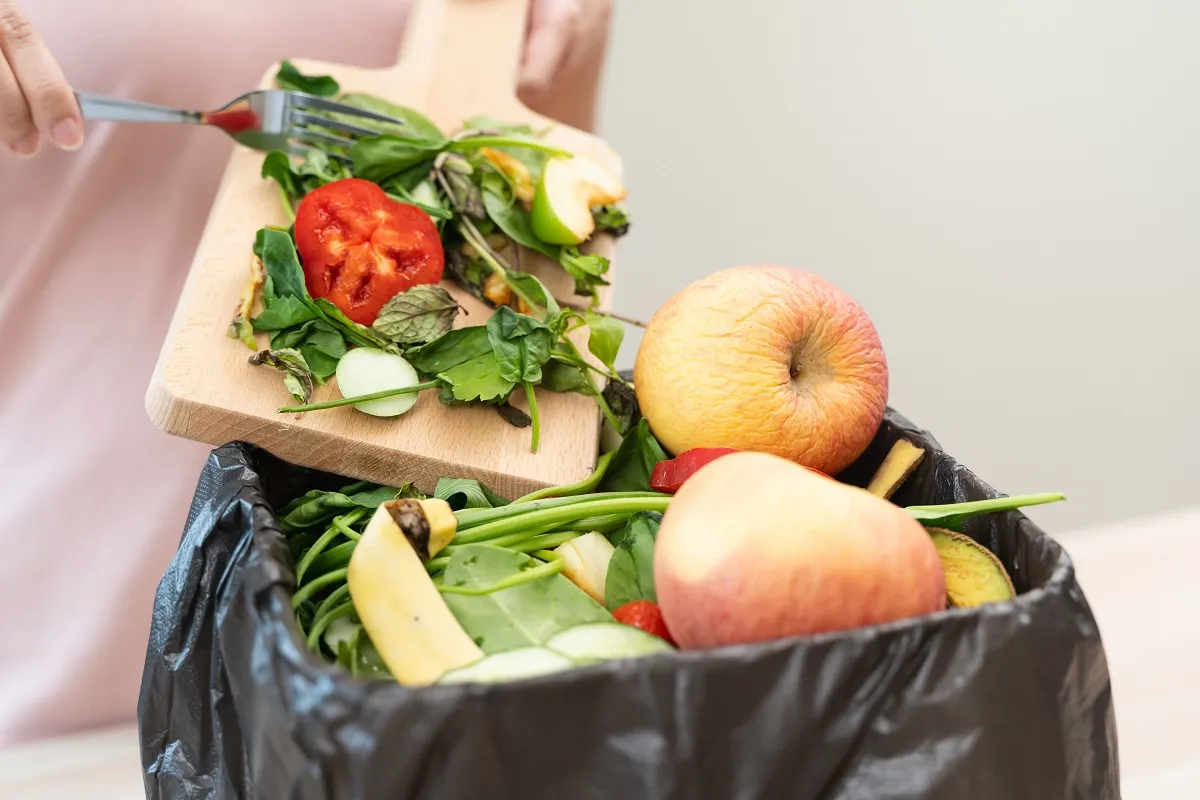 Based on their study findings, the researchers introduced a “root-to-tip” menu at King’s College London to learn more about consumer acceptance of upcycled ingredients.Feedback from participants revealed important barriers to “root-to-tip” eating, including people’s “mental discomfort” about eating these items, concerns about digestibility, and limited and inconsistent nutritional information online.
“Interestingly, participants viewed nutritional benefits — particularly fiber content — as a stronger motivator than environmental sustainability when considering whether to adopt ‘root-to-tip’ eating,” says lead author Georgia Browne, a research assistant at King’s College London.
While the team stresses that “root-to-tip” eating won’t require drastic dietary changes, only simple modifications to food preparation, they urge that changes in food manufacturing and foodservice will be required to produce tangible results on health at a population level.
“At home we can do things such as leaving skins on kiwi fruit, using broccoli stalks in stir-fries, or incorporating bell pepper seeds into dishes,” says Gibson.
“However, for real change to reduce food waste and improve fiber intake at scale, it would be great to see caterers and food manufacturers exploring what fruit and vegetable waste is generated and looking at ways to use it to enhance the healthiness of meals.”
Cooking methods may alter fiber content
The team flags considerations for extracting value from their findings. For instance, they note that the paper only assessed 12 types of produce and that each was measured for fiber content when raw, meaning that cooking methods could alter fiber content and digestibility.
They hope that future assessments will expand the scope of understanding how ‘root-to-tip’ eating can be practically and safely implemented across diverse populations and settings.
“This isn’t about perfection and this isn’t about forcing people to eat unpalatable food — it’s about recognizing the nutritional value in components we’ve been conditioned to discard, which is exactly why we trialed the root-to-tip menu at King’s,” concludes Gibson.
“Even small steps towards using more of the plant can have cumulative benefits for health and the environment.”
Dietary fiber plays an essential role in digestive health, and the researchers highlight it can help reduce the risk of type 2 diabetes, cardiovascular disease, certain cancers, and premature mortality.
Research this year continues to spotlight new scientific insights about fiber’s diverse benefits. Early adolescent girls adding a prebiotic soluble corn fiber to their usual diets built more bone than those taking a placebo, according to findings from a recent double-blind, randomized clinical trial.