



Tomato compound may protect against fatty liver disease, animal study finds

Key takeaways
- Tufts researchers find phytoene, a colorless precursor of lycopene in tomatoes, reduced fatty liver disease in mice on a high-refined-carb diet.
- Phytoene appears to work by activating proteins that regulate liver metabolism, rather than by changing gut bacteria.
- The compound is also found in carrots, red peppers, pink grapefruit, watermelon, and apricots, broadening its dietary relevance.
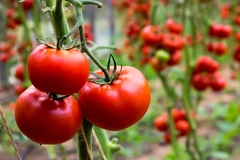
A mouse model study has found that phytoene in tomatoes, which is a colorless precursor of lycopene, is a potential contributor to liver health and is especially helpful against fatty liver disease. It suggests that consuming more phytoene-rich foods might help prevent or manage metabolic liver disease.
The researchers point to a public health issue in the US, as approximately 100 million adults and up to 75% of Americans with obesity or diabetes are estimated to have metabolic dysfunction-associated steatotic liver disease.
The illness causes excess fat accumulation in liver cells, which, over time, leads to liver inflammation and damage. In advanced cases, the damage causes scarring called cirrhosis.

The scientists from Tufts University, US, conducted the study on mice on a high-refined-carbohydrate diet who were administered phytoene supplementation. They ended up having significantly fewer fatty liver disease markers compared to mice on the same diet, not receiving phytoene.
Lycopenes and phytoenes
Scientists have known for years that tomatoes can help protect the liver, explains the research team.
However, in animal studies, tomato powder outperformed the purified red pigment lycopene, which led them to speculate that other tomato compounds might also be beneficial.
“Both lycopene and phytoene are found in substantial amounts in tomatoes and tomato products,” says Na Youn Lee, the study’s lead author and a Ph.D. candidate at the Gerald J. and Dorothy R. Friedman School of Nutrition Science and Policy at Tufts University. “But we know from previous research that phytoene is actually more readily absorbed by the body.”
The Molecular Nutrition & Food Science study points out that phytoene’s mechanisms might work by activating proteins that regulate liver metabolism instead of changing gut bacteria.
Colorful plants containing phytoene convert it into lycopene and other carotenoids.
Phytoene’s broad implications
In the study, the researchers fed two groups of mice for six months to mimic dietary patterns associated with fatty liver disease in humans. This involved consuming sugary foods and beverages.
One group received phytoene supplementation that was equivalent to a person consuming three to four medium-sized raw tomatoes or 100 g of tomato paste. The researchers compared the two groups of mice based on liver health, metabolism, and gut bacteria.
The mice supplemented with phytoene showed more positive liver results than those not receiving supplementation. The researchers explain that phytoene seemed to activate key proteins involved in regulating liver metabolism.
Mice lacking enzymes for metabolizing phytoene accumulated much of this compound, but did not get the same protection against fatty liver disease. This suggests that the protective benefits might come from smaller compounds when the body breaks down phytoene, explain the researchers.
They call for further research into identifying these metabolites, as it could help determine whether some individuals benefit more from phytoene than others — in case genetic differences play a role.
Additionally, the team examined sex-based differences alongside the difference between normal mice and mice lacking the enzymes for converting carotenoids into biologically active metabolites. They found that female mice accumulated more phytoene in the liver than males. They explain that sex might influence how the body absorbs or metabolizes the compounds.
“Our findings have broad implications, as phytoene is not only abundant in yellow, orange, and red tomatoes but also exists in many common fruits and vegetables, including carrots, red peppers, pink grapefruit, watermelon, and apricots,” says study senior author Xiang-Dong Wang, a senior scientist at the Jean Mayer US Department of Agriculture Human Nutrition Research Center on Aging at Tufts University.
“Should further research validate our findings, encouraging people to eat more phytoene-rich fruits and vegetables could be a useful strategy to help prevent metabolic liver disease or slow its progression in high-risk individuals.”