


Bioaccessibility study finds limited mineral absorption from Brazil nuts and cashews


Key takeaways
- Physical barriers such as intact cell walls, high fat content, and dietary fiber trap minerals and block their release during digestion, according to a study.
- Antinutritional compounds like phytates and polyphenols bind to nutrients and inhibit enzymes, making zinc and manganese barely absorbable.
- Total mineral content does not reflect actual absorption, meaning a diverse whole-food diet is essential to meet nutritional requirements.
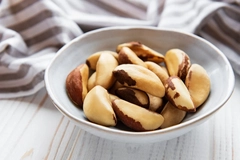
New research has found that the presence of minerals in Brazil nuts (Bertholletia excelsa) and cashews (Anacardium occidentale) does not automatically guarantee that the body will absorb and utilize them properly. The study highlights several structural and chemical factors that block the release of these nutrients during gastrointestinal digestion, which limits their bioaccessibility.
At times, minerals can be chemically bonded with proteins and only released through efficient digestion, details the paper. It further reveals that antinutritional compounds in nuts, such as phytates and polyphenols, delay digestion by inhibiting digestive proteases in the gut or forming insoluble bonds with proteins and minerals.
The researchers note that their findings imply that nutritional labels should consider bioaccessibility data while methods that reduce antinutrient content may enhance mineral bioavailability.
To learn more, Nutrition Insight speaks to Angerson Nogueira do Nascimento, a chemist and associate professor at the Diadema campus of the Federal University of São Paulo (UNIFESP) in Brazil, and the study coordinator.
Among the several factors preventing bioaccessibility, he highlights: “One is the presence of plant cell walls, which remain partially intact even after mastication and gastrointestinal transit. As a result, certain minerals may become entrapped within undigested tissue fragments, reducing their availability for absorption.”
Another consideration is the high lipid content of nuts, he adds. “Fats can encapsulate protein-mineral associations, creating hydrophobic barriers that reduce the exposure of these nutrients to the digestive fluids and enzymes used in simulated gastrointestinal models. This encapsulation effect can further reduce mineral solubilization.”
“Finally, dietary fiber can contribute to physical entrapment of nutrients within the food matrix. This fibrous network can reduce mass transfer and decrease enzyme-substrate contact, thereby lowering the overall bioaccessibility of minerals in the samples tested.”
Simulating human digestion
The study published in Química Nova simulated the conditions of the human digestive system in an in vitro gastrointestinal digestion model, reflecting the temperature, agitation, pH level, and enzymatic composition of the gut. Researchers compared their findings against the daily recommended intake of minerals.
Both samples revealed high total concentrations of copper, magnesium, manganese, and zinc. These total and bioaccessible mineral levels were quantified using the model and high-precision liquid-testing method.
The nutritional contributions per serving were significant, say the researchers. A 30 g portion of cashew nuts provided 38% of copper and 9.9–12.8% magnesium of the recommended daily allowances (RDA) established by the US National Institutes of Health.
Meanwhile, a 15 g portion of Brazil nuts provided 18% of copper RDA and 4.8–6.1% of magnesium RDA. The researchers note that daily Brazil nut consumption should not exceed 15 g due to their high selenium content.
However, in terms of bioaccessibility, only copper and magnesium were released in noticeable amounts after the in vitro assay, while manganese and zinc were below the limit of detection.
Benchmarking bioaccessibility
The results reveal that approximately 56% of the copper and 52% of the magnesium in cashews were available for absorption after the simulated digestion process. However, the study authors say quantities of manganese and zinc were insufficiently detected.
In Brazil nuts, approximately 50% of the copper and 28% of the magnesium were bioaccessible. Manganese and zinc remained below the detection limit after the test.
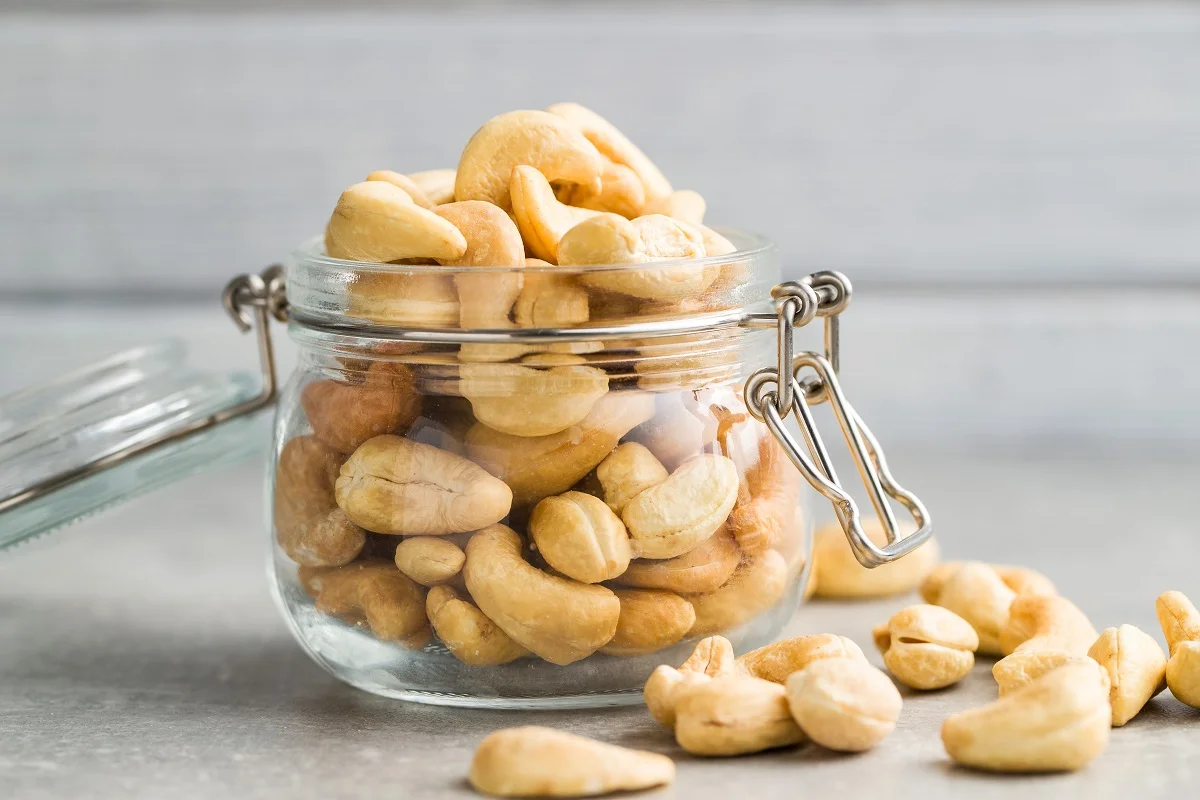 In terms of bioaccessibility, only copper and magnesium were released in noticeable amounts after simulated digestion, while manganese and zinc were below the limit of detection.Although the analyzed nuts contained considerable amounts of copper, magnesium, manganese, and zinc, the study warns that only a portion of these elements is available for absorption by the human body.
“For both nuts evaluated, the total copper content and the bioaccessibility percentages are very similar, suggesting that this element contributes equally to meeting the recommended dietary allowance when 15 g of each nut is consumed daily. However, magnesium bioaccessibility is higher in cashew nuts than in Brazil nuts,” says Nogueira do Nascimento.
He adds that this difference may cautiously be attributed to the carbohydrate composition of cashew nuts, which could enhance magnesium solubilization during gastrointestinal digestion.
“Conversely, the dense lipid-phenolic matrix of Brazil nuts may hinder the release of copper. Nevertheless, these proposed mechanisms require further investigation, as there are currently few studies evaluating this hypothesis, and more robust evidence is needed to draw definitive conclusions.”
He adds that the negligible bioaccessibility of manganese is likely related to the presence of antinutritional compounds, such as polyphenols, oxalates, phytic acid, and dietary fibers, which form stable complexes with cations (positively charged mineral ions). This reduces their solubility and subsequent availability for absorption.
“Meanwhile, zinc bioaccessibility is particularly affected by phytates, which are known to inhibit zinc absorption. These findings align with previous reports, which attribute the low bioaccessibility of manganese and zinc in nuts to the combined effects of these antinutritional factors and the near-neutral pH of the intestinal environment.”
Prioritizing varied whole foods
Nogueira do Nascimento reflects on how nutrition and supplement formulators should factor in bioaccessibility when designing mineral-based products.
“In general, the total concentration of a mineral in a formulation does not reflect the amount that is released and made available for absorption in the human body,” he notes. “During gastrointestinal digestion, several interactions within the supplement matrix and with co-ingested components can affect mineral bioaccessibility.”
Additionally, he advises formulators to consider competitive or synergistic interactions with other nutrients, which can further influence the quantity of a given mineral released following digestion. Consequently, he cautions that it is insufficient to rely solely on a food source’s total mineral content.
“We should prioritize natural, unprocessed foods in our daily meals and reduce the consumption of processed food,” he stresses. “A diet based on a wide variety of natural items, including nuts, vegetables, fruits, meat, grains, and others, enhances the overall nutritional quality of our meals and often eliminates the need for dietary supplements.”
“Moreover, the low bioavailability of certain nutrients in a given food can be partially offset by diversifying food choices, as different matrices and interactions may facilitate absorption. Thus, while nuts are valuable sources of specific minerals, their contribution to the diet should be complemented by other natural food sources to ensure that all essential nutrient requirements are adequately met.”
In related news, Balchem recently told Nutrition Insight how its brand of chelated minerals can optimize plant-rich diets by increasing mineral bioavailability. The company explained that chelation helps keep minerals safe from “distraction on its way through the digestive system” by binding them to amino acids.
Meanwhile, Evanium secured €2.2 million (US$2.6 million) in seed funding to scale its proprietary Optisolv technology, which it says can solve the “bioavailability crisis” behind ineffective supplements. The German life science start-up plans to advance its clinical studies and accelerate commercial partnerships in nutraceuticals, nutricosmetics, and functional foods.