




Indigenous food knowledge can tackle nutrition and climate crises, review argues


Key takeaways
- A review argues that integrating Indigenous and local knowledge is key to tackling poor nutrition, climate change, and biodiversity loss.
- The lead author reveals that public health must shift from top-down instruction to community-led, informal learning.
- Case studies from Guatemala and a Māori and Pasifika health app show culturally grounded approaches improve nutrition outcomes.
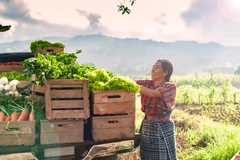
A systematic review has revealed how traditional Indigenous knowledge can help resolve global challenges, such as poor health and nutrition, climate change, and biodiversity loss. It argues that improving population nutrition and health requires integrating food system literacy on a community level.
Researchers from the University of East Anglia, UK, examined 39 peer-reviewed studies across the world, finding an increased respect for traditional and Indigenous food knowledge’s potential to address global crises. However, top-down and medicalized approaches currently dominate nutrition education and practice.
Nutrition Insight speaks to lead author professor Nitya Rao from the School of Global Development, who discusses what a practical shift in public health requires while urging collaboration with local stakeholders for effective food systems transformation.
“A practical shift for nutrition practitioners and public health programs requires moving away from formal, top-down institutional instruction toward localized, community-led informal learning,” she states. “The shift to food systems literacy means public health must meet communities where they already learn: informally, orally, and collaboratively.”
Culturally grounded and participatory approaches can reveal where conventional medicalized health practices fail in meeting global nutrition needs, according to the review. Alternative approaches that integrate local knowledge and languages may also improve community participation in health projects, leading to more effective interventions.
Cases of food systems integrating locally
The review in Nature Food underscores the important, yet overlooked, aspects of food systems resilience, which involve knowledge, for example, on food production, preparation, and consumption. It calls for strengthening food systems literacy to support healthier, more equitable, and environmentally sustainable outcomes.
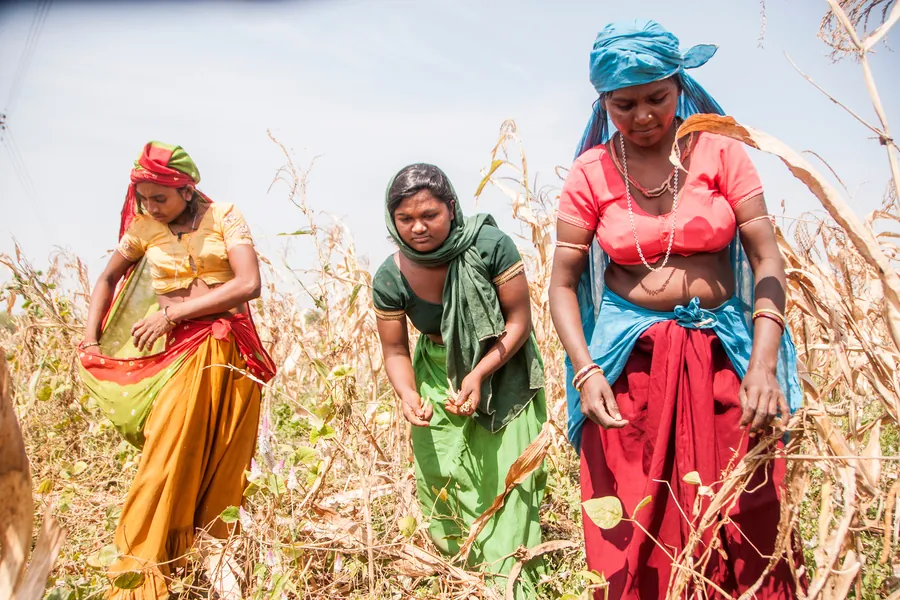 The shift to food systems literacy means public health must meet communities where they already learn, says Rao.Shifting the food systems’ literacy on a community level is seen in food guidelines in Guatemala and the Māori and Pasifika co-designed health app, Rao points out.
“The Guatemalan Food Guidelines originally relied on formal, written Spanish education. Their rigid, hierarchical categories clashed completely with the K’iche’s cognitive structure of food (wa versus ri’kil). However, as they started including Indigenous women, drawing on their oral tradition and informal knowledge transfer, outcomes started improving. To improve nutrition, institutions must stop prescribing and start integrating Indigenous knowledge.”
“The Māori and Pasifika App is a co-design success,” she adds. “This worked because it bypassed formal, clinical lectures. Instead, the community-academic partnership used digital technology to modernize informal learning pathways, like cultural storytelling, making health outreach engaging, relatable, and tailored to daily community realities.”
Previous research discovered that Indigenous agroforests with ecological diversity can provide insights into addressing declining biodiversity and the rise in noncommunicable diseases. It used the example of Fiji’s forest-like environment, which contains food-producing agroecosystems where trees and crops grow together, resulting in a more nutritionally diverse food supply.
Increased global attention on local knowledge
According to Rao, several reasons drive the rise in global recognition of the need for Indigenous and local knowledge.
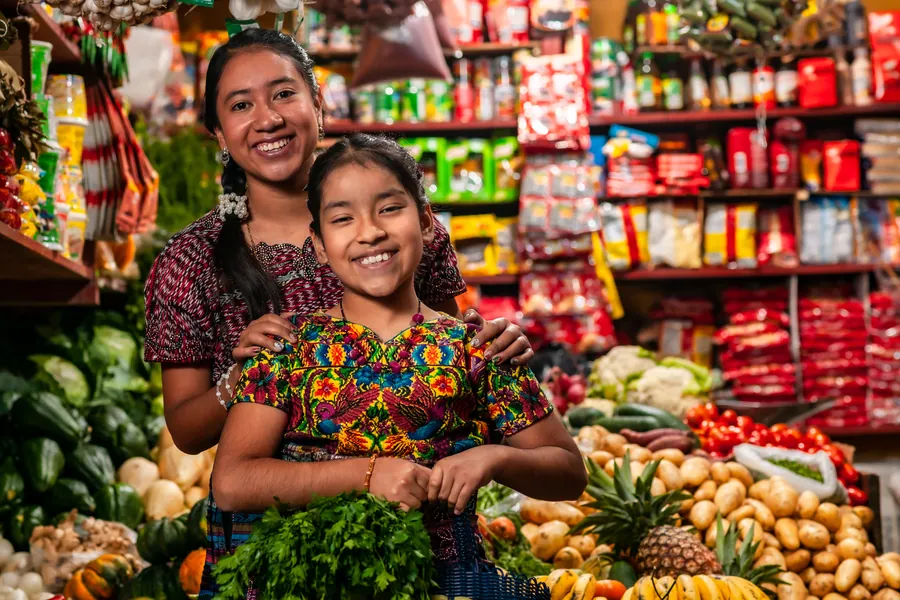 Rao notes that the industrial food system is driving the current nutrition crisis as it drives up the costs of healthy diets.“A key one is the failure of industrial food systems, which focus much more on profit than nutrition; yet they shape affordability and status and are hence driving the current nutrition crisis.”
The 2026 State of Food Security and Nutrition in the World report, released this week, indicated global hunger is slightly easing yet is still threatened by rising food prices amid conflicts and climate shocks. On the ground, this means families are eating the same meal instead of balanced, diverse foods.
“Healthy food is not affordable to a large part of the world’s population, and for the poor, struggling with both income and time poverty, especially women responsible for feeding the family, ultra-processed food is often cheaper, easily available, and also convenient,” notes Rao.
“Yet across countries in the global south, we find increasingly this shift affecting people’s health. India is a good example, representing the growing crisis of obesity and non-communicable diseases, including among the poor. Three rounds of data from the National Institute of Nutrition, collected between the late 1980s and the 2000s, show a progressive decline in dietary diversity among Indigenous and rural populations.”
Rao further explains that Indigenous food systems are based on an understanding of the interconnectedness of people and ecosystems across time, place, and space. Such worldviews are locally established, culturally accepted, and well-adapted to climate and ecology.
“As most of the foods are available locally, they are also more accessible. However, there are systemic barriers such as loss of forests and common lands, land alienation, women’s time poverty, and the state’s lack of support that can pose barriers,” she highlights.
However, she adds that several of the examples in the review show there is a greater success rate in the treatment of disease, for example. “Particularly in the Pacific and Canada, where there are attempts to use local languages and build trust and collaboration with a range of stakeholders, including the elders, healers, educators, farmers, service providers, policymakers, and academics, to together raise issues and find solutions.”
Resolving tensions bottom-up
Rao underscores the urgency of improving global hunger, as over 600 million people are predicted to face food insecurity by 2030. However, she points to state policies ignoring or devaluing Indigenous knowledge, hindering their integration into food systems, such as livelihood programs.
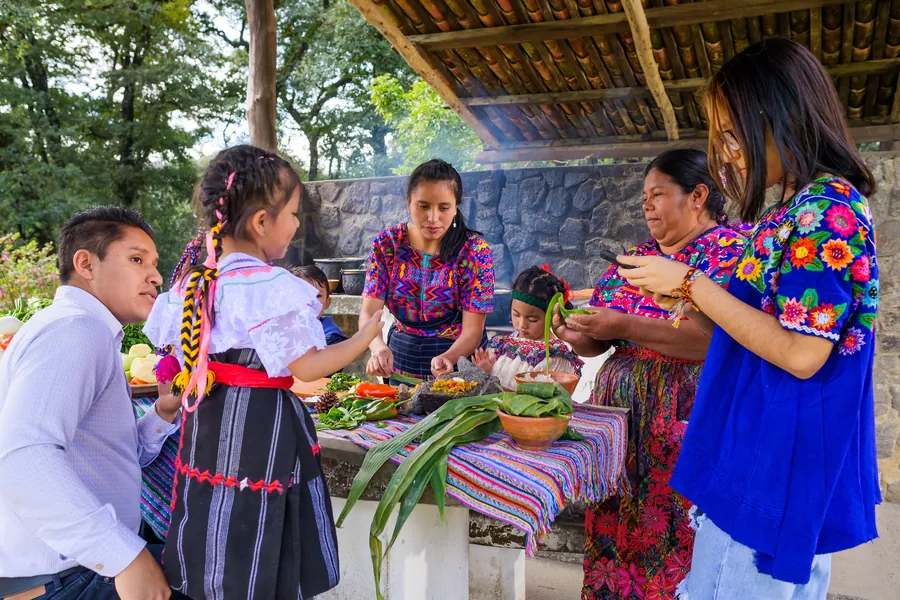 Rao stresses that a key issue is the distrust of Indigenous knowledge and the epistemologies on which they are founded.“There are multiple reasons for this. Apart from market pressures and corporate power in food systems and coordination challenges, a key issue appears to be the distrust of Indigenous knowledges and the epistemologies on which they are founded, in particular, the holistic approach toward territorial integrity, knowledge transmission, reciprocal exchange, and moral-ecological unity.”
“The latter are seen as subjective; they are process-oriented and difficult to monitor using top-down metrics and indicators. The only way to navigate tensions seems to be the openness to alternate and diverse forms of knowledge as legitimate forms of knowledge, the willingness to trust communities and not just dismiss their views as ‘backward’ or ‘superstition,’ and collaboration to validate Indigenous knowledge.”
Additionally, Rao highlights her previous work with Indigenous communities and nutritionists to document local foods and recipes to validate their nutritional value. Similarly, a recent World Diet Initiative was launched to document heritage diets from communities worldwide before they vanish due to the rise in Western-style eating. The project maps traditional diets as they have historically correlated with lower rates of chronic diseases.
“Food systems are deeply embedded in local cultures and identities, as well as class and social position,” stresses Rao. “Without taking account of these, top-down messaging will not work to change behaviors and cultures. Recommended foods may be unaffordable to local people, apart from being culturally unacceptable.”
“A poor diabetic woman, for example, may be unable to consume the recommended diet because she has little money or stays in a joint family and cannot be seen to be eating special food.”
Recently, the EAT-Lancet updated the Planetary Health Diet to reflect cultural and class realities, addressing previous criticisms. The commission suggested eight solutions for advancing global and planetary health and social equity, which included changing diets aligned with the Planetary Health Diet and protecting and promoting healthy, culturally appropriate diets.
“Understanding local cultures and consumption patterns is critical to strengthening food systems literacy, which, for us, is not a universal truth or skill but one that is culturally embedded and relevant. This would necessitate a more decentralized and bottom-up approach to food and nutrition,” Rao concludes.