


Magtein clinical study reveals significant gains in cognitive age and cardiovascular health

Key takeaways
- Magtein is a patented magnesium L-threonate that crosses the blood-brain barrier to effectively reach neurons.
- New clinical research shows it improves memory, reduces “brain age” by 7.5 years, and enhances heart rate variability.
- The ingredient is water-soluble and taste-free, making it ideal for supplements targeting sleep, focus, and healthy aging.
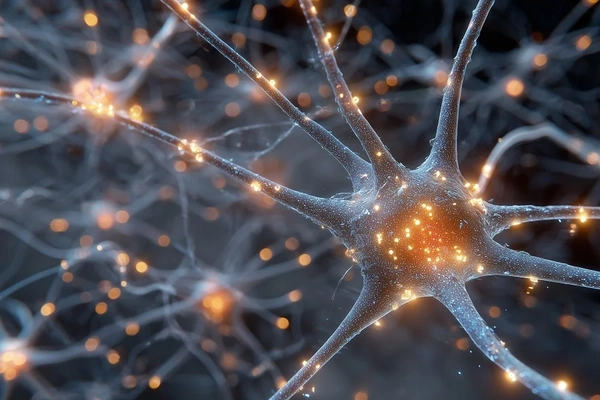
Magtein has received new clinical backing for its effects in boosting cognitive performance, memory, reaction time, brain cognitive age, and heart rate variability. This patented proprietary form of magnesium L-threonate has been extensively studied for its brain and sleep benefits.
Due to its unique ability to cross the blood-brain barrier compared to other magnesium supplements, the ingredient typically features in dietary supplements to support sleep, healthy brain aging, and cognitive vitality.
Earlier studies have demonstrated that Magtein supports cognitive performance in older populations; however, this latest research confirms that these benefits also extend to younger adults.
The randomized, double-blind, placebo-controlled trial involved 100 healthy adults (aged 18–45 years) with self-reported sleep dissatisfaction, supplemented with 2 g of Magtein daily or a placebo for six weeks.

“Other than its unique ability to cross the blood-brain barrier, we’ve seen an improvement because of the absorption capability overall. So your body is going to be able to move it quickly to the brain to reach those neuron cells,” Laurentia Bliss tells Nutrition Insight. She is the director of brand management at ThreoTech, the global supplier and licensee for the Magtein patents.
“Another great benefit is that it’s water soluble, so it’s really easy to put into things like gels, tinctures, and powder products,” she adds. “We have a lot of customers who are looking at sachets to take Magtein on-the-go to stay hydrated. Also, the fact that it’s taste-free is really helpful.”
“It’s a formulator’s dream. There’s a lot you can do with it, and not a lot of intense technical flavoring and masking that needs to occur with it that you may need to do with other magnesium salts.”
Physiological study parameters
In the study, researchers measured cognitive performance using the National Institutes of Health Cognitive Toolbox, while a wearable sleep-tracking device, Oura Ring, provided data on physiological stress markers, including heart rate and heart rate variability.
Self-report questionnaires, such as PROMIS Sleep, provided assessments of sleep quality. A digital aim trainer evaluated reaction times and hand-eye coordination.
.webp) Next to capsules, Magtein is applicable in gels, tinctures, and powder products due to its water solubility.Participants supplementing with Magtein demonstrated improved overall cognitive performance, greater improvements in working and episodic memory, and a 7.5-year reduction in estimated brain cognitive aging.
Next to capsules, Magtein is applicable in gels, tinctures, and powder products due to its water solubility.Participants supplementing with Magtein demonstrated improved overall cognitive performance, greater improvements in working and episodic memory, and a 7.5-year reduction in estimated brain cognitive aging.
Additionally, the researchers recorded faster reaction times, reduced resting heart rate, increased heart rate variability, and improvements in PROMIS sleep-related impairment among participants taking the supplement.
“Together, these findings build on a growing body of research supporting Magtein and further strengthen the scientific foundation behind its broad cognitive and neurological benefits,” says Dr. Jennifer Gu, SVP of R&D at Magtein.
“As we look ahead, additional ongoing and upcoming studies will continue to expand our understanding of Magtein and its benefits,” she adds. “The growing body of evidence supports its use in formulations designed to support healthy brain cognitive aging, stress resilience, and sleep.”
The study, published in Frontiers in Nutrition, was conducted at Clinical Research Australia, Perth.
Target consumer groups
In terms of target consumer groups for Magtein, Solenn Gouilly-Frossard, brand manager at ThreoTech, highlights three main groups. “The first are people looking for solutions for longevity and brain health in general, such as biohackers, who are trending at the moment.”
“Then you have professionals and students who are looking for support in memory and focus,” she tells us. “We also target consumers looking for support solutions for mood, preventing brain fog, and better sleep.”
“We received the novel food approval in November 2024, and from there, we have five years of exclusivity for selling Magtein in Europe. It’s a unique opportunity for us to raise awareness around Magtein in the EU and educate consumers about its properties.”
Bliss underscores that consumer scrutiny on clinical robustness is more pronounced than ever. “It’s great to say that a product can help, but you really need to show that.”
“Consumers, when they’re buying branded ingredients, want to know what they’re getting is effective and that it does what it says. Our continued investment in clinical research in these areas remains a top focus for us, making sure we can deliver from a scientific standpoint and deliver on those benefits for the consumer.”
Nutrition Insight previously caught up with Bliss to dive deeper into how the ingredient “keeps the brain young” by rejuvenating aging pathways.
In the US last year, the Council for Responsible Nutrition raised its recommended safe upper level for magnesium supplements from 400 mg to 500 mg daily for healthy adults. The organization cited new human clinical data on magnesium safety, evidencing this claim.