



Lonza Capsugel: How capsule-in-capsule technology is advancing supplement delivery

Key takeaways
- Lonza Capsugel underscores that independent, peer-reviewed validation is key to substantiating supplement bioavailability claims.
- The company’s capsule-in-capsule technology protects acid-sensitive ingredients, reportedly boosting probiotic viability by up to 46 times versus standard capsules.
- Using the right choice of capsule polymers, naturally scented coatings, and plant-based materials balances efficacy with consumer appeal.
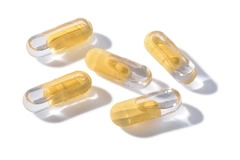 (Image credit: Lonza Capsugel).
Supplements have faced challenges regarding poorly soluble or unstable bioactives, which impact bioavailability. However, the industry has been developing technologies to increase absorption while ensuring supplements like scented capsules remain attractive.
Nutrition Insight speaks with Lonza Capsugel to learn about how the company has made strides in improving supplement effectiveness, with, for instance, capsule-in-capsule technology or Beadlets Technology.
The company’s associate director of Dosage Form Solutions & Ingredients, Portfolio VOC & Innovation, Product Marketing, Juliana Erickson, details the importance of choosing the right capsule polymer, especially those with low oxygen permeability.
She also discusses convenience formats, made possible with Lonza Capsugel’s AromatiQ capsule coats for natural scents, alongside the rising demand for plant-based capsules.

How do you substantiate bioavailability improvements for your formats, and what does credible evidence look like?
Erickson: In order for formulators and consumers to have confidence in the bioavailability of supplement products, independent, peer-reviewed validation is key. This is where collaboration with leading researchers and institutions can make a big difference, providing data from well-designed studies and cutting-edge models.
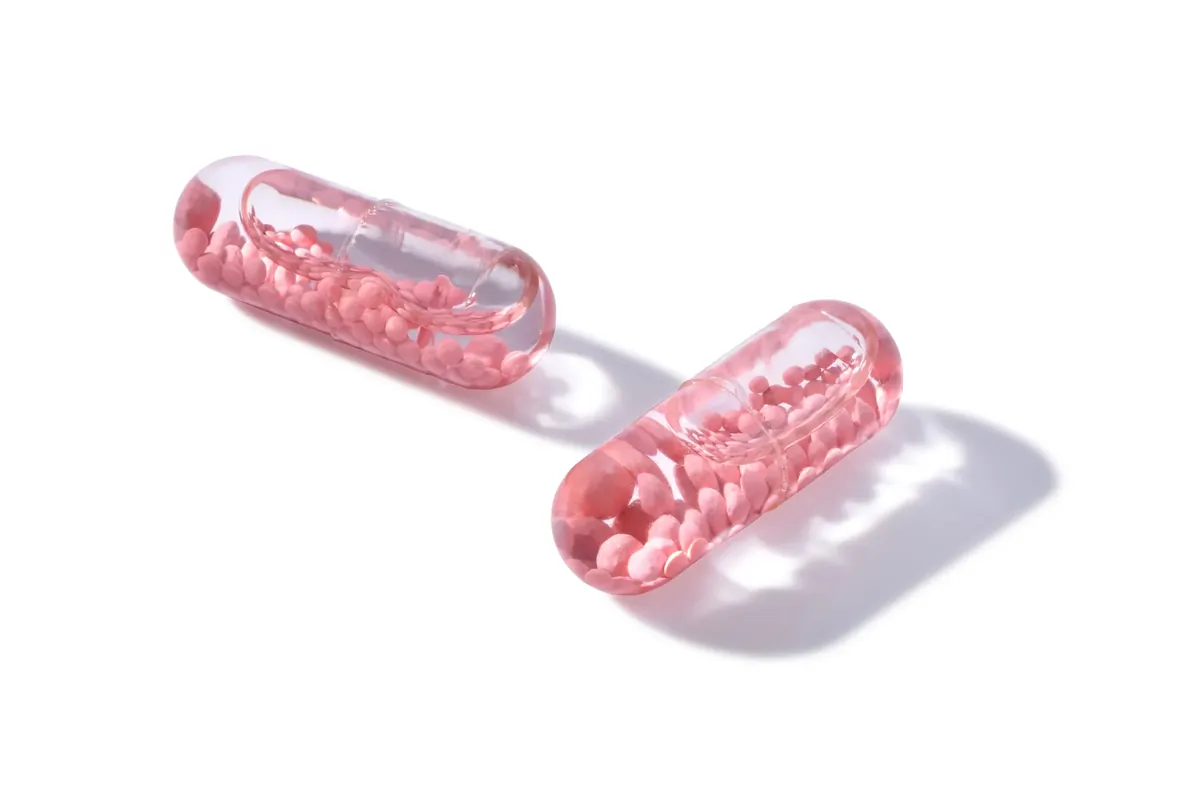 The Beadlets Technology can physically separate or protect incompatible components within a single product (Image credit: Lonza Capsugel).For example, Lonza Capsugel has worked with leading experts in preclinical gastrointestinal (GI) research at ProDigest when verifying the targeted release profiles of Licaps Duocap capsule-in-capsule technology. The innovative delivery system is made up of a smaller capsule inside a larger one, and by combining different capsules and polymers, formulators can tailor where the contents of each are released in the GI tract.
This is a big advantage for formulators using acid-sensitive ingredients like digestive enzymes and probiotics, which must pass through the stomach (and be protected from its low pH) to reach the sites where they are most effective. In studies conducted with ProDigest, researchers found that the activity of an enzyme ingredient in the upper small intestine was up to four times higher with capsule-in-capsule formulations compared to standard immediate-release capsules.
The results were even more impressive with probiotic ingredients, where the Licaps Duocap capsule-in-capsule technology was seen to increase viability by up to 46 times compared to standard capsules. This data offers crucial substantiation that this delivery format helps to make sure ingredients get to where they are needed to be most effective.
Many bioactives are poorly soluble, unstable, or have taste and odor challenges. What delivery technologies are you seeing gain the most traction?
Erickson: Many of the biggest formulation challenges can be solved with the right capsule technology. For example, when combining ingredients that may degrade one another, require different release profiles, or exist in incompatible physical forms, such as liquids and powders. Here, our Licaps Duocap capsule-in-capsule technology and Beadlets Technology — colorful beadlets suspended in liquid — can physically separate or protect incompatible components within a single product. Not only do these technologies help overcome formulation challenges, but they also enable products that are differentiated, scalable, and aesthetically appealing to consumers, boosting their chances of success.
 When it comes to ingredients with odor and taste challenges, capsule polymer choice is crucial, says Erickson.When it comes to ingredients with odor and taste challenges, capsule polymer choice is crucial. Many bioactives develop unpleasant sensory qualities when exposed to oxygen throughout production or storage, making a capsule polymer with low oxygen permeability, like pullulan, which is an ideal solution for working with these ingredients. Additionally, the right polymer can enable the formulation to bypass the stomach and prevent unpleasant burp back.
Avoiding leaks of ingredients with challenging sensory profiles is also a major consideration for formulators. This is an area where our Licaps liquid-filled hard capsules shine. They are powered by band-free LEMS (liquid encapsulation microspray sealing) technology and a nitrogen bubble infusion process to remove oxygen from the filled capsule. With robust seal integrity and leak resistance, liquid-filled hard capsules offer an effective solution for liquid formulations compared to softgels, helping brands bring more innovative, differentiated products to market — faster and with greater confidence.
How are convenient formats reshaping delivery-format development, and what are the trade-offs?
Erickson: Advances in capsule technology actually mean formulators no longer have to choose between consumer appeal and delivering an efficacious, stable dose. There are many ways modern capsules can capture the senses and imagination of consumers. For example, our AromatiQ capsule coating technology uses natural essential oils and enticing capsule flavor coatings to help brands captivate consumers’ senses and can also be used to complement scents with the intended health benefits of a supplement, such as lavender for relaxation. In fact, proprietary consumer research from Lonza Capsugel has found that as many as 70% of consumers would consider switching from tablet or gummy format to capsules if they were naturally scented.
 AromatiQ capsule coating technology uses natural essential oils and capsule flavor coatings to entice consumers.Our capsule-in-capsule and beadlets technology, in addition to their technical benefits, also creates a unique and engaging visual experience for consumers on the shelf and during use. Importantly, aesthetics do not have to come at the expense of label expectations. As demand for naturally derived ingredients continues to grow, manufacturers can turn to plant-based capsule polymers, like the pullulan in our Capsugel Plantcaps capsules. These capsules offer both premium oxygen protection and a beautiful, crystal-clear transparency, with a natural high luster finish. Plant-based colorants, such as red radish or purple carrot in vegan hypromellose capsules, can help create further visual impact that aligns with consumers’ values. All of these factors highlight how capsule delivery offers more than performance and can shape consumer appeal.
How do delivery-format choices play out differently across categories?
Erickson: Format decisions are increasingly driven by a combination of consumer preference and the formulation challenge in meeting them, rather than the ingredients alone. We work with our customers to find the balance and win on both fronts. For example, a customer may need to improve the experience of a challenging liquid ingredient, protect an oxygen-sensitive formulation, separate incompatible ingredients, or deliver multiple ingredients with different release requirements.
Different combinations of formulation, capsule polymers, and capsule architecture allow us to address each of these — using our broad portfolio, from Licaps and Plantcaps to DRcaps and Duocap capsules, alongside unique technologies such as AromatiQ and our team’s deep-rooted knowledge. Regional and category differences then help determine which solution is most appropriate. What resonates with a consumer in North America may not deliver the same impact in Europe or Asia.