



IV iron treatments increase 17-fold among Australian women, researchers report


Key takeaways
- A study has found that IV iron use among Australian women of reproductive age has seen a sharp increase between 2013 and 2024, with one in 20 women receiving treatment in 2024.
- The government’s patient spending on IV iron rose from AUD$1.1 million to AUD$82 million, while one in four women did not complete their prescribed treatment.
- Researchers found variations in treatment consistency, raising concerns about affordability and equitable access.
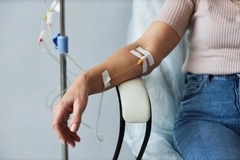
A study has found a “dramatic” increase in the number of Australian women receiving intravenous (IV) iron treatments in the past decade. Between 2013 and 2024, the researchers found a 17-fold increase in IV iron use among women of reproductive age. In 2024, one in 20 women received the treatment.
The increased use between 2013 and 2024 also brought on a substantial increase in cost. The government’s patient spending on the treatment increased from AUD$1.1 million (US$781,232) to AUD$82 million (US$58.2 million). The researchers note that some clinics charge hundreds of dollars per infusion as an out-of-pocket cost for the women.
Iron deficiency is one of the most common health issues affecting reproductive women, as heavy menstrual bleeding, pregnancy, childbirth, and breastfeeding increase the body’s need for iron.

If untreated, iron deficiency may cause “debilitating” fatigue, reduced physical capacity, poor concentration, and an overall decreased quality of life.
Quick and effective treatment
Published in the Internal Medicine Journal, the study found that the increased use of iron IV treatments increased from 0.3 to five women in 100, between 2013 and 2024. The IV type ferric carboxymaltose accounts for 94% of prescriptions.
 The researchers found that one in four women did not complete the treatment course that was prescribed to them.The researchers note that one in four women did not complete the treatment course that was prescribed to them. This may be due to the high cost of continuing treatment, or because they felt noticeable health improvements after one injection. The team stresses that this raises concerns as some women may not receive sufficient treatment.
“For women struggling with iron deficiency, particularly when oral iron tablets are ineffective or cause troublesome side effects, IV iron can be an important treatment option,” says co-author of the study, Luke Grzeskowiak, associate professor at Flinders University’s College of Medicine and Public Health, Adelaide, Australia.
“It can replenish iron stores more quickly and help women feel better sooner, which can make a real difference to their daily lives.”
IV treatments for iron are considered generally safe. However, it is usually not the first method of treatment. It is instead used when oral iron supplementation has failed, such as when it cannot be tolerated or when there is a need to quickly restore iron stores.
Oral iron supplementation often causes gastrointestinal side effects and is less efficient for replenishing iron stores because it is not completely absorbed. IV iron is generally well tolerated and better absorbed, according to a previous study.
“Iron deficiency can have a significant impact on women’s health and well-being, but it is treatable,” says Grzeskowiak. “Our findings show that intravenous iron has become an increasingly important part of care for Australian women, and we need to make sure its use remains evidence-based, effective, and equitable.”
Inconsistency of care
Grzeskowiak notes that the study findings reflect an increase in awareness among the health implications of iron deficiency for women’s health. However, the study also found differences in treatment rates of the type of iron and dose received.
 Grzeskowiak says the findings reflect an increase in awareness among the health implications of iron deficiency for women’s health.
“We need to better understand what is driving these differences and whether all women are receiving equitable access to the most appropriate treatment,” comments lead author of the study, Dr. Gizat Kassie, research fellow at the South Australian Health and Medical Research Institute. He expresses concerns about these findings of treatment consistency.
He believes that some of the variation may reflect differences in clinical practice, but cost could also be playing a role. For some women, out-of-pocket expenses can be significant and may influence both access to treatment and whether they complete the recommended course.
“The finding that almost one-quarter of women did not complete their prescribed treatment course is also important. We don’t yet know why, but it raises the possibility that some women may not be receiving the full benefit of treatment,” Kassie concludes.