


Scientists propose triple-nutrient “cocktail” for alleviating markers of autism in childhood

Key takeaways
- A low-dose cocktail of zinc, serine, and BCAAs improved social behaviors in three different mouse models of autism.
- This synergistic blend modulated neuronal circuit activity and connectivity, specifically reducing abnormal hyperactivity in the amygdala.
- When administered individually, low doses of each nutrient had no effect on the mice’s behavior.

In a new study, a low-dose mixture of zinc, serine, and branch-chain amino acids (BCAAs) improved social behaviors in three different mouse models of autism. This synergistic blend appeared to boost their neuron communications, reducing abnormal hyperactivity in the brain’s amygdala when they were fed this “cocktail.”
Individually, these nutrients are known to have positive effects on neural connectivity. But the study authors from Academia Sinica, Taiwan, believe the necessary dosages could be lowered when they are consumed together.
“High doses of individual nutrient supplements such as zinc, BCAAs, and serine can improve synaptic function through different mechanisms, but low doses of any single nutrient alone are ineffective,” says Tzyy-Nan Huang, one of the paper’s first authors.

Ming-Hui Lin, the study’s co-first author, adds: “I was thrilled to observe that just seven days of treatment with the nutrient mixture significantly modulated neuronal circuit activity and connectivity in real time. These results provide strong support for the beneficial effects of low-dose nutrient supplement combinations.”
Nutrition as an environmental factor of autism
Autism spectrum disorder results from abnormal neural development that affects how neurons are connected, the researchers highlight. Meanwhile, they pinpoint nutrition as one of the environmental factors that may influence this condition.
The team tested its theory in three mouse models of autism, measuring amounts of synapse-related proteins and using calcium imaging to examine neural activity while assessing the mice’s social behavior.
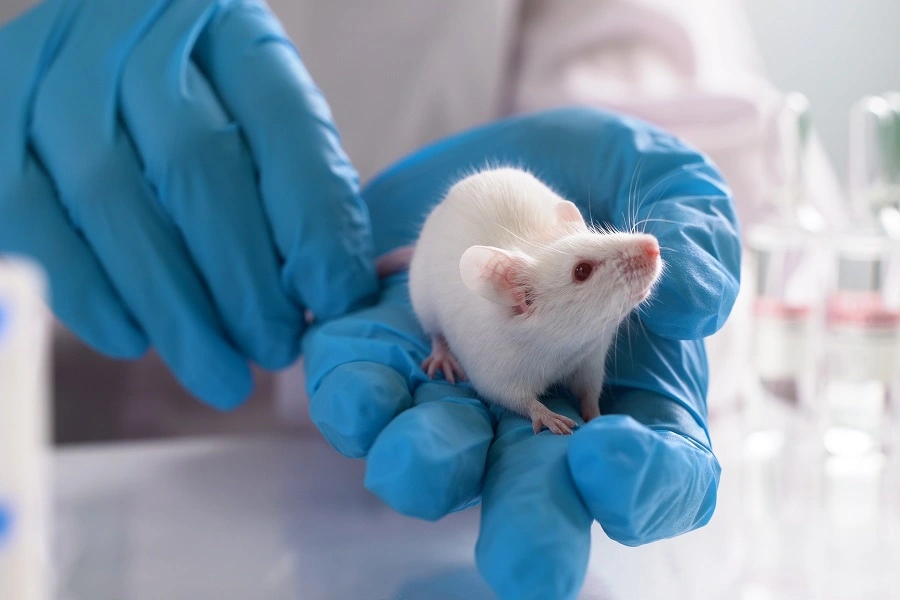 The researchers note that the cocktail of supplements altered the autistic mice’s amygdala so that the expression of proteins in the synapse “resembled those of normal mice.”The researchers note that the cocktail of supplements altered the autistic mice’s amygdala so that the expression of proteins in the synapse “resembled those of normal mice.” They found that social behaviors in the animals improved after they were given the cocktail.
However, when each supplement was given separately, the same dosages had no effect on behavior. This was also the case in two additional mouse models of autism, supporting that the synergistic effect of combining the three supplements makes these low doses effective.
“As hundreds of genes are implicated in autism, each with distinct molecular functions, a ‘one gene-one therapy’ approach is impractical for addressing the complexity of autism spectrum disorder,” says Yi-Ping Hsueh, co-author of the study.
He believes the findings published in PLOS Biology offer a “safer and more practical strategy for long-term, broad application, even beginning in childhood.”
“It is exciting to see that combining these nutrients at low doses successfully restores synaptic proteomes and enhances social behaviors in three different mouse models of autism.”
Dietary interventions for autism
Research on the role of diet in autism management is expanding. Scientists have argued that the gut microbiota, rather than genetics, may be the leading cause of autism spectrum disorder, while also finding that the immune system impacted the condition’s progression in a genetic mouse model.
According to one metagenomics study, personalized synbiotics may alleviate symptoms of autism spectrum disorder by addressing the gut-brain axis. Additionally, a clinical study combining a synbiotic from dsm-firmenich with gut-directed hypnotherapy significantly reduced gastrointestinal discomfort, irritability, and anxiety symptoms in children with autism.
Conversely, a recent large-scale review found no strong evidence of treating autism with a set of complementary dietary and alternative therapies. The study covered 19 assessments, including animal-assisted interventions, acupuncture, herbal medicine, music therapy, probiotics, and vitamin D.