

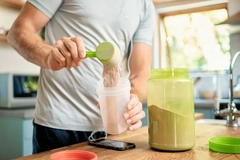


Freeze-dried watercress drink increases excretion of pollutant metabolites, US trial finds

Key takeaways
- A US randomized trial of 188 participants has found that a freeze-dried watercress drink increased urinary excretion of detoxification products of acrolein and benzene by 65.6% and 37.3%, respectively.
- Researchers attribute the effect to PEITC, which converts environmental carcinogens into water-soluble waste.
- The Watercress Company plans to use freeze-dried watercress in drinks to cut summer crop waste, though UK and EU detox claims remain unauthorized.
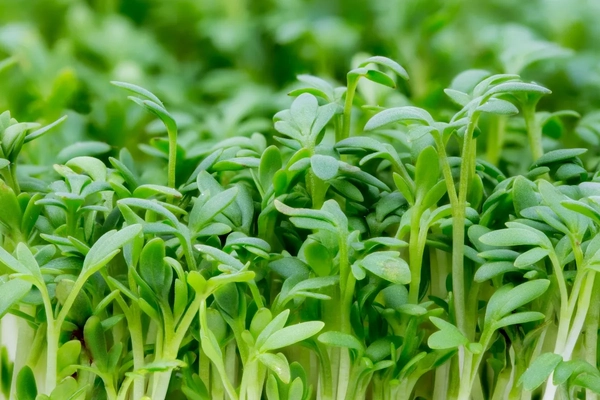
The Watercress Company (TWC) is exploring freeze-dried watercress as a beverage ingredient, pointing to a US randomized trial in which a freeze-dried watercress drink increased urinary excretion of the pollutants acrolein and benzene by 65.6% and 37.3%, respectively.
Tom Amery, managing director of the UK’s largest watercress grower, posits that with the right partner, the company could develop a freeze-dried watercress product for potential use in the drinks sector.
“[This may include] a healthy, detoxing drink, blended with matcha in which the benefits of the watercress become active when water is added. I could see this selling in cafes around the world in cities where pollution is highest.”
Detox claims are not currently authorized for food labeling in the UK or EU.

The study, published in Carcinogenesis, led by researchers at the University of Minnesota, US, suggests that consuming watercress helps to improve detoxification in humans of common hazardous chemical compounds, acrolein and benzene (both considered carcinogens) that are found in everyday environments.
In the study, this effect is attributed to the high levels of the compound phenethyl isothiocyanate (PEITC), of which watercress is a particularly rich dietary source, and which gives it its distinct peppery taste. According to the scientists, PEITC stimulates the removal of toxins that are converted to a water-soluble state and excreted through the urine.
The researchers believe that maximizing the activity of this process will likely decrease toxicity and the cancer risk from reactive electrophilic compounds that could otherwise modify proteins or DNA in the body, initiating or worsening the carcinogenic process.
“The UK is one of the leading consumers of watercress in the world — we eat 2.5 million kg or more than 30 million bags per year,” says Amery.
“At TWC, we sell mainly fresh watercress, so this study is very interesting, as we didn’t know the effects of watercress on detoxification would be retained so well after freeze-drying. This could open a whole new area for us to explore.” The trial did not compare fresh with freeze-dried watercress.
Building on decades of research
Lead author Dr. Stephen Hecht, one of 17 researchers on the paper, is building on the pioneering work in watercress research, which he started in the 1990s looking into the detoxifying properties of watercress, primarily among smokers.
In the crossover trial, all 188 participants drank both a freeze-dried watercress beverage and a placebo, three times a day for two weeks each, with a four-week break in between. The target dose was 40 mg of Peitc a day.
Urine samples from the two groups, taken at regular intervals, showed higher levels of mercapturic acids during the watercress phase than during the placebo phase. Mercapturic acids increased for six of the seven toxicants measured.
According to the study authors, this suggests that watercress helps to improve detoxification of the hazardous compounds acrolein, a probable human carcinogen, and benzene, a known human carcinogen.
TWC considers the findings notable because they come from a randomized trial in humans rather than an in vitro experiment. However, the study has limitations: it was single-blind, and results are for compliant participants only; the dose equates to roughly 130 g of fresh watercress a day, and it measured urinary biomarkers rather than health outcomes.
New business opportunity
Although freeze-dried watercress was used in the trials, TWC advises that the best way to consume watercress is still to consume it fresh. However, the supplier says that freeze drying the crop would be aligned with the company’s broader ambitions to reduce waste and use all the surplus watercress that is grown, especially in the peak summer period.
TWC has partnered with food manufacturer Harvey & Brockless to develop a watercress pesto targeted initially at the hospitality sector but ultimately plans to join forces with the UK’s National Health Service through contract catering.
Separate research has examined how other drying methods affect leafy greens. One Journal of Food Science study found that hot air-drying boosts the availability of key nutrients and plant compounds in microgreens.
For instance, one study in the Journal of Food Science spotlighted hot air drying as a cheap and relatively easy preservation technique that boosts the availability of key nutrients and plant compounds in microgreens.
According to the previous study, when kept fresh, these highly nutritious young seedlings of cruciferous vegetables such as radish, broccoli, and kale are highly perishable and lose nutritional value quickly.