


US FDA urges infant formula industry to strengthen supplier safety after outbreaks

Key takeaways
- The US FDA is urging infant formula manufacturers to tighten supplier oversight after botulism outbreaks and a global cereulide contamination event linked to formula ingredients.
- Investigations connected affected products to shared dairy and ARA oil suppliers, prompting recalls, import alerts, and further supply chain scrutiny.
- Manufacturers are expected to assess ingredient risks rapidly, monitor safety alerts, and maintain stronger controls across every stage of production.

The US FDA has published a letter to the infant formula industry and its supply chain partners to ensure increased safety of formula and ingredients, following multiple recent public health-threatening events.
There have been multiple outbreaks of infant botulism with different brands of infant formula, which has led the FDA to investigate the ingredient supplier shared by the companies.
There was also a global contamination of cereulide intoxication in late 2025 and early 2026, with 150 confirmed and suspected cases spread over 10 countries. This contamination was traced back to impure arachidonic acid (ARA) oil, a common ingredient used in infant formula, leading to global recalls and the supplier being added to multiple import alerts.
These events have underscored the critical importance of stronger supplier oversight, stresses the FDA.

“Infant formula, whether used exclusively or in combination with breastfeeding, is an essential source of nutrition for many infants in the US. The consequences of safety failures in this product category are severe and, in some cases, life-threatening,” reads the FDA letter.
“The FDA holds infant formula manufacturers to the highest standards of safety and quality. This responsibility extends to every ingredient, every supplier, and every link in the supply chain. This letter calls for increased vigilance by industry to ensure ingredient and infant formula safety.”
Outbreak and intoxication
The investigation into botulism outbreaks followed when babies fell ill from consuming ByHeart’s and Nara Organics contaminated formula.
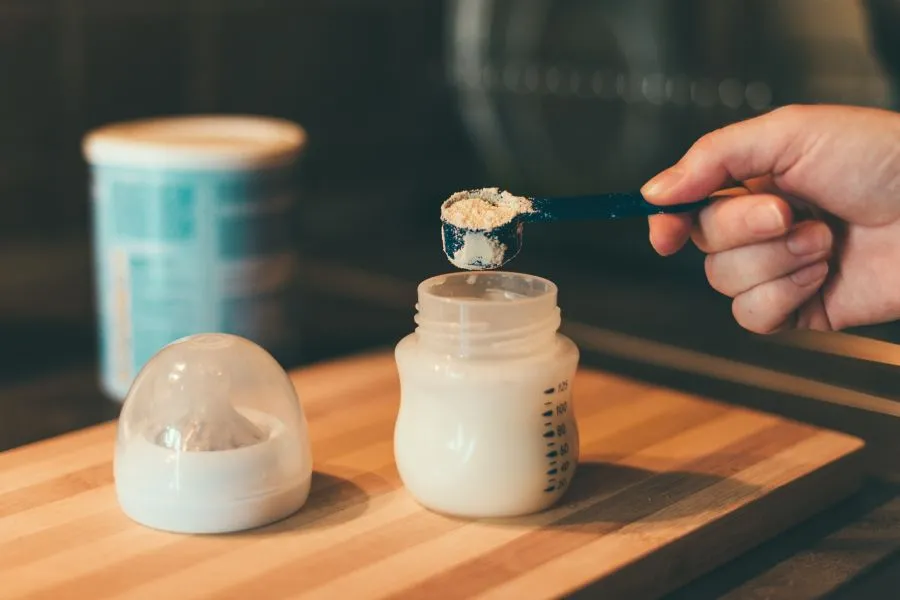 There have been nearly 150 confirmed or suspected cases of cereulide intoxication in 10 countries, followed by global recalls.The illness is caused when a baby swallows Clostridium botulinum spores, which grow in the gut and build toxins, causing constipation. It also leads to difficulty feeding, a weak or change in cry, and a lack of head control.
This was the first botulism outbreak caused by powdered infant formula in the US. The FDA’s investigators collected samples from the manufacturer Dairy Farmers of America, the processor of Organic West Milk, which is supplied by ByHeart, and found that two samples matched a clinical sample and an infant formula sample.
The multistate outbreak also affected babies who consumed Nara Organics infant formula, which the FDA confirms was also supplied by Organic West Milk.
The FDA is further investigating the root cause of the outbreak by focusing on the ingredients and the environment in which they were produced.
In addition to the botulism outbreaks, there have been nearly 150 confirmed or suspected cases of cereulide intoxication in 10 countries, followed by global recalls.
“On May 12, 2026, all ARA oil products, including ARA oil powder, from Cabio Biotech (Wuhan, China) became subject to FDA Import Alert 99-51, which provides for Detention Without Physical Examination of human food products that appear to have been prepared, packed, or held under insanitary conditions resulting in chemical contamination,” notes the FDA.
“Taken together, these events — two infant botulism outbreaks potentially linked to a shared dairy ingredient supplier and a global contamination event linked to an ARA supplier — reflect a pattern that warrants attention from both FDA and the infant formula industry. In each case, the risks were introduced through the supply chain. In each case, the consequences fell on infants.”
Manufacturers to be held responsible
The FDA says that manufacturers are expected to execute substantial oversight of their suppliers and have a strong understanding of the origin of ingredients, how they are produced, the potential risks, and how those risks are controlled.
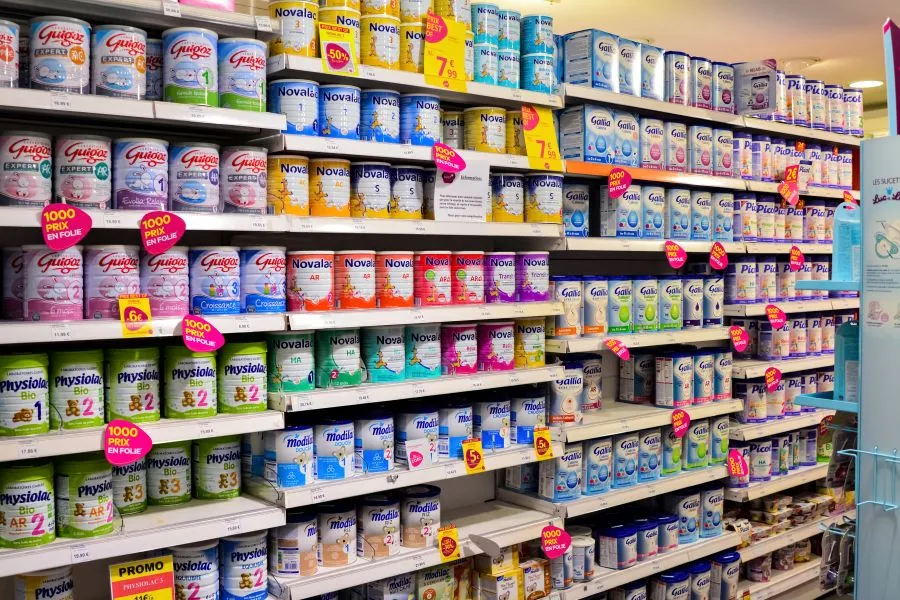 When identifying a supplier concern or a contaminated ingredient, manufacturers should quickly assess and address the risk, the FDA stresses.When identifying a supplier concern or a contaminated ingredient, manufacturers should quickly assess and address the risk, the FDA stresses.
“The FDA also recommends that infant formula manufacturers and their supply chain partners stay abreast of applicable recall notifications, outbreak investigations, and import alerts, which may serve as important safety signals. Experience has shown that ignoring or downplaying these safety signals can lead to increased risks to infants and preventable public health events.”
A recent investigation into Nestlé and Danone’s “discreet” product recall on contaminated infant formula spotlighted delays and silent action from the companies for potentially harmful products. The companies faced criticism as media reported that contamination was first detected at the end of November 2025, but a global recall was not issued by the companies until January 5, 2026.
The FDA notes that since infants are a particularly vulnerable population, and since formula is an important nutrient source for many, its safety must be ensured. It therefore calls on all members of the infant formula industry to use this information and take rapid action on oversight of suppliers and manufacturers.
“The Agency appreciates the industry’s continued commitment to ensuring the safety of infant formula products marketed in the US and looks forward to continued collaboration in protecting the health of infants and their families,” it concludes.