



Infant botulism: US FDA urges industry action as watchdogs flag inspector shortages

Key takeaways
- US health authorities report the first-ever outbreak of infant botulism, linked to contaminated ByHeart infant formula, with dozens of infants hospitalized.
- A food safety coalition warns that around 40% of FDA food inspection positions are vacant, limiting the agency’s ability to prevent and respond to outbreaks.
- While the FDA stresses that recalls are an industry responsibility, lapses in recall execution were identified, with some recalled formula remaining on store shelves.

The US is facing its first-ever infant botulism outbreak after babies consumed ByHeart’s contaminated formula. The FDA has reminded industry players of their responsibility to recall food products, but a food safety coalition points out a large number of inspection posts are vacant in the government.
“While we typically expect to see 150–180 individual cases of infant botulism annually, an outbreak of infant botulism is unprecedented,” says Dr. Jennifer Cope, Centers for Disease Control and Prevention’s (CDC) chief of the Enteric Diseases Epidemiology Branch.
The illness is caused when a baby swallows Clostridium botulinum spores, which grow in the gut and build toxins, causing constipation. It also leads to difficulty feeding, a weak or change in cry, and a lack of head control.

On November 7, the FDA notified ByHeart of 83 cases of infant botulism reported since August this year. Thirteen of those infants had received ByHeart formula at some point.
ByHeart says it partnered with IEH Laboratories & Consulting Group to test unopened formula cans and announced a recall. Of the 36 samples tested from three lots, C. botulinum Type A was found in five samples.
 Health officials emphasize that infant formula safety requires swift action across the entire supply chain, from manufacturers to retailers.The company says it is investigating the root cause of this contamination across the supply chain. They urge caregivers to stop using the ByHeart formula immediately.
Safe Food Coalition: 40% of food safety posts are empty
Following the incident, the Safe Food Coalition urged the Trump administration to immediately protect the safety of infant formula. Early this month, 37 cases were confirmed, pointing to a deficiency in the public health system’s inspection. The coalition urged authorities to declare C. botulinum to be a threat that needs preventive controls.
Outlining their call, the participating organizations had sent a letter to Secretary of Health and Human Services Robert F. Kennedy, Jr., FDA Commissioner Martin Makary, and CDC Acting Director Jim O’Neil.
“The nation’s food safety system is on the brink of collapse,” says Sarah Sorscher, director of regulatory affairs at the Center for Science in the Public Interest (CSPI). “Forty percent of the personnel who inspect infant formula and other critical foods are not at their posts. That means the FDA has less flexibility to deploy its resources in response to outbreaks like the current ByHeart outbreak.”
The coalition points out that the FDA should reinstate the inspector training program, increase inspections in formula facilities, and fully fund the inspection program across states.
The group believes that the outbreak could have been avoided if there had been earlier recalls and closer inspections of ByHeart’s operations.
“Contaminated infant formula puts the nation’s most vulnerable consumers at risk, and it is an indictment of our food safety system as a whole,” says Thomas Gremillion, director of Food Policy at the Consumer Federation of America.
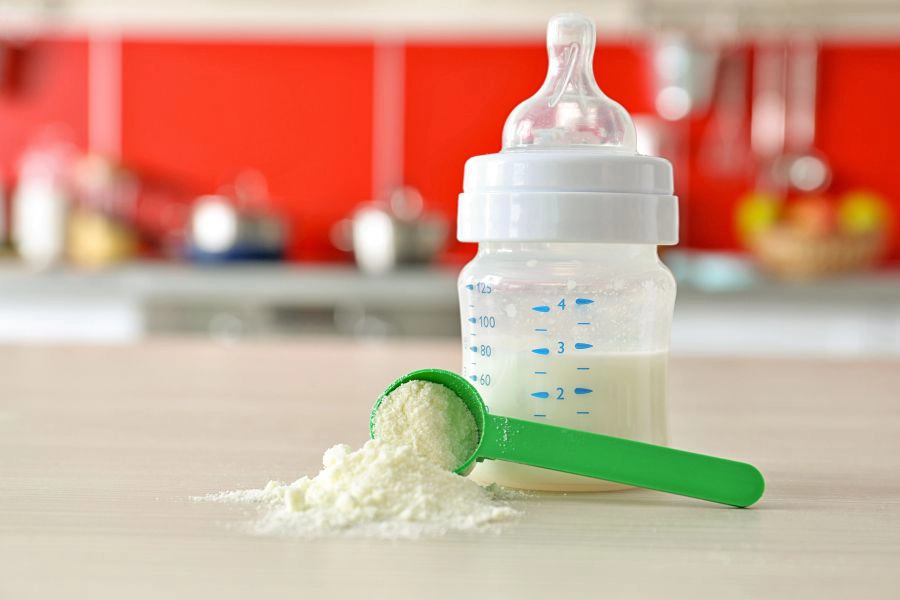 Food safety advocates warn that widespread inspector vacancies have weakened oversight of infant formula manufacturing facilities.“Over three years have passed since a Cronobacter outbreak linked to infant formula caused a nationwide shortage, and we see more inspector vacancies and less capacity for outbreak surveillance than ever.”
FDA stresses industry responsibility
In response, the FDA says it reminded the industry of its legal responsibilities regarding food recalls, especially for infant and child food products. It stressed the importance that each member of the supply chain has a role to play.
“Food safety is a shared responsibility, and it is of the utmost importance that all parties in the supply chain act swiftly and vigilantly to protect our nation’s children from unsafe food,” says FDA Commissioner Marty Makary, M.D., M.P.H.
After ByHeart voluntarily recalled its infant formula, the FDA discovered that the recalled products were still sold on retailer shelves in several places and so sent warning letters to noncompliant stores. One store was selling the recalled product for over three weeks.
The FDA has also asked these retailers to respond to the warning letter within 15 days, outlining the steps taken to address the violation and prevent its recurrence.
The agency says it is working with various health authorities to address a multistate infant botulism outbreak linked to ByHeart formula.
The CDC reports that a total of 51 sick infants from 19 states have been hospitalized and treated with BabyBIG in this outbreak as of December 10. No deaths have been reported.