





“Fat is not fixed”: Low-protein diet activates mice gut microbes to make fatty tissue burn energy

Key takeaways
- Specific gut bacteria act as a metabolic relay team, translating a low-protein diet into chemical signals that convert energy-storing white fat into calorie-burning beige fat.
- The weight-loss and metabolic benefits disappeared in mice lacking a microbiome, demonstrating that the diet requires a precise set of microbes to be effective.
- Four bacterial strains that work together to trigger this “fat browning” process, offering a potential pathway for future obesity and diabetes treatments.
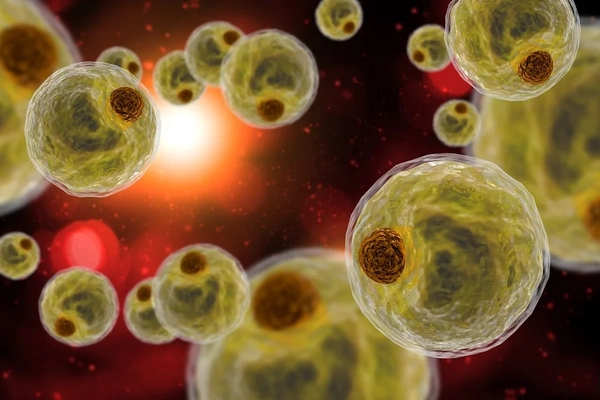
Researchers have discovered that specific gut bacteria work together with diet to “flip a metabolic switch” — transforming energy‑storing white fat into calorie‑burning beige fat in mice.
The study shows that a low‑protein diet may activate a specific set of gut microbes that send chemical signals throughout the body, causing fat tissue to burn energy rather than store it. However, when the same diet was fed to germ‑free mice without a microbiome, the fat‑burning effect disappeared.
These findings reveal a previously unidentified biological pathway that links diet, the gut microbiome, and metabolic health. Scientists believe this could eventually inform new treatments for obesity, diabetes, and other related diseases in humans.

“Fat tissue is not fixed — it’s surprisingly adaptable,” says Kenya Honda, M.D., Ph.D., co‑senior author of the study and adjunct professor at City of Hope, US. Scientists at this research center for diabetes collaborated with the Broad Institute, US, and Keio University, Japan, on the paper.
“We found that certain gut bacteria can sense what the host is eating and translate that information into signals that tell fat cells to burn energy. This work highlights the gut microbiome as an active decision‑maker in the body. It doesn’t just respond to diet — it interprets it.”
Fat-burning bacteria
Adult body fat primarily consists of white fat, which stores excess calories. Conversely, beige and brown fat burn energy to generate heat and help regulate metabolism.
Babies are born with significant stores of brown fat, which decline with age. For years, while investigating ways to boost metabolism, scientists explored methods to safely convert white into beige fat, a process known as “beiging.”
In this current study published in Nature, researchers found that mice fed a low‑protein diet developed large amounts of beige fat only if they had the right gut bacteria.
They identified four specific bacterial strains that were required to trigger fat browning. When these microbes were introduced into mice alongside a low‑protein diet, the animals converted white fat into beige fat, gained less weight, showed improved glucose control, and had lower cholesterol levels.
Instead of “flipping a single switch” in fat tissue, the gut bacteria acted more like a “relay team,” the authors note. The microbes sent one signal that altered bile acid metabolism and nudged fat cells toward a calorie-burning state, and a second that caused the liver to release a metabolism-boosting hormone, FGF21.
When the researchers interrupted either signal, the fat-burning effect disappeared, suggesting that the two signals must work together for the process to succeed.
“This told us the diet alone wasn’t enough,” Honda highlights. “The gut microbiome was essential.”
Not a case for extreme dieting
The researchers emphasize that the findings should not be directly applied to people. They underline that the low‑protein diet used in the study is lower than the recommended level for humans.
Protein is still considered an essential macronutrient and is even more critical for people undergoing rapid weight loss, such as those prescribed GLP-1 medications. Sudden weight loss, without support from a healthy diet, is often accompanied by a loss of muscle mass.
Rather than extreme diets, the study authors believe the work points to the potential of newly activated biological pathways driven by microbes.
“Our goal is not to tell people to eat extreme diets,” says study first author Takeshi Tanoue of City of Hope and Keio University. “The real opportunity is to understand these pathways well enough to design therapies that safely mimic their benefits.”
In other research on the gut-metabolism axis, scientists recently pinpointed a gut bacterium, Turicibacter, that improves metabolism and reduces weight gain in mice on a high-fat diet. Authors of this paper highlighted that the gut contains hundreds of different microbial species, which has historically made singling out one beneficial species a “microscopic needle in a haystack.”
Another report published in Nature Microbiology pinpointed a gut bacterium that produces natural GLP-1, which may induce fat loss while helping the human body regulate blood sugar.