



DMC Biotechnologies raises US$18M to commercialize precision-fermented KeyPura inositols

Key takeaways
- DMC Biotechnologies has secured US$18 million to commercialize its KeyPura health ingredients portfolio produced through precision fermentation.
- The initial KeyPura lineup features high-purity myo-inositol and D-chiro-inositol targeting reproductive health, metabolic wellness, and infant nutrition.
- DMC says its precision fermentation process uses food-grade dextrose to produce these bioactives more efficiently and cost-effectively than conventional extraction methods.
DMC Biotechnologies has secured US$18 million in financing to scale its high-purity bioactives made from precision fermentation. The US-based health ingredient company plans to channel the investment toward the commercialization of its KeyPura ingredients portfolio across the health, wellness, and personal care markets.
The KeyPura portfolio includes myo-inositol and D-chiro-inositol, which DMC says are two complementary ingredients with applications across reproductive health, metabolic wellness, infant nutrition, and other specialty nutrition formulations.
The financing was co-led by Inceptional Partners and Sofinnova Partners with strong participation from First Bight Ventures and existing investors Cibus Capital and Capricorn Partners.
“This investment marks an important next chapter for DMC as we build on the foundation we’ve established with our KeyPura ingredients,” says Jim Flatt, Ph.D., CEO of DMC Biotechnologies.

“We’ve demonstrated our ability to develop and produce high-quality ingredients through precision fermentation. Now we’re focused on translating that capability into broader market adoption, new products, and long-term commercial growth.”
Building on KeyPura ingredients
With its initial KeyPura ingredients in the market, DMC says it is focusing on expanding commercial opportunities, strengthening customer and distribution relationships, and developing additional products that address evolving formulation needs.
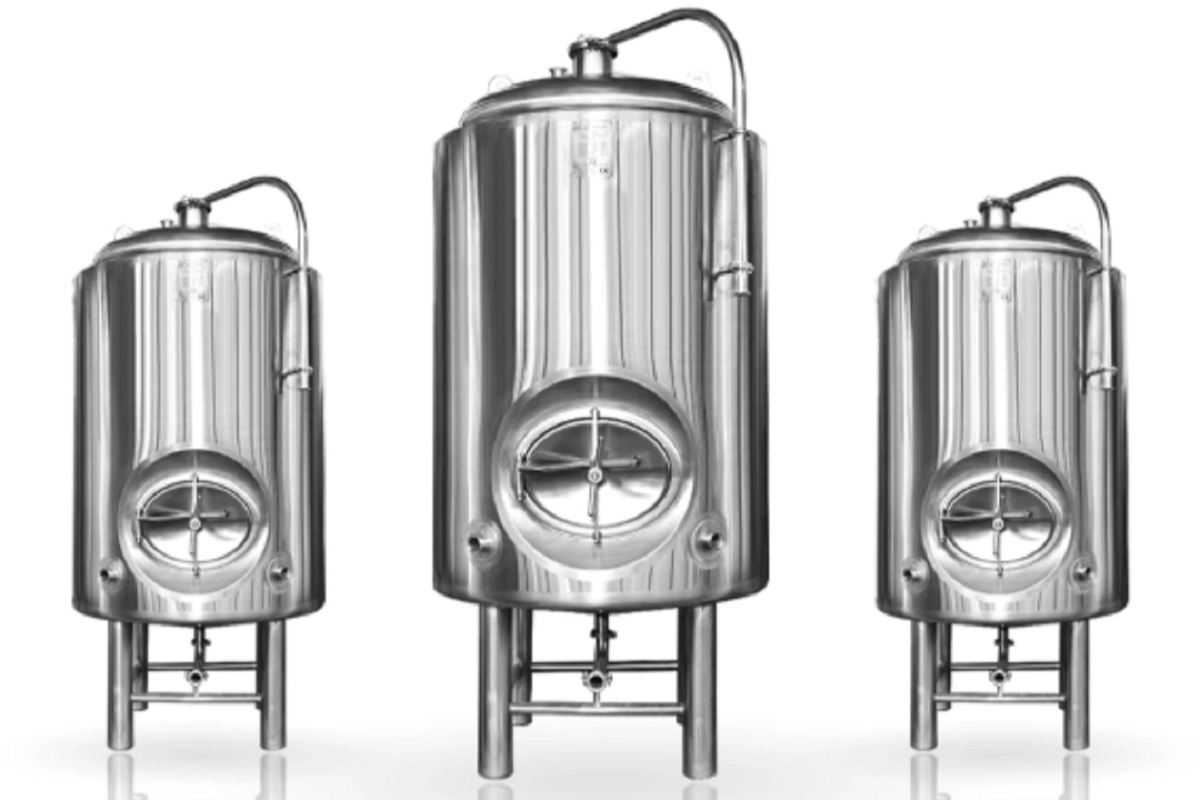 KeyPura is made through precision fermentation using purified, food-grade dextrose (Image credit: DMC Biotechnologies).According to the company, KeyPura myo-inositol and D-chiro-inositol work synergistically in a clinically studied 40:1 ratio for women with polyendocrine metabolic ovarian syndrome (PMOS), previously known as polycystic ovary syndrome (PCOS).
While conventional myo-inositol is commonly produced by hydrolyzing phytic acid derived from corn-processing by-products, DMC details that KeyPura is made through precision fermentation using purified, food-grade dextrose.
The company says that its precision fermentation enables more efficient, resilient, and lower-cost processes for bio-based chemicals that are price-competitive with petroleum-based options.
“DMC has built a differentiated technology platform with the potential to address meaningful opportunities in the health ingredients market,” says Andras Forgacs, a member of DMC’s board of directors and founder and managing partner of Inceptional Partners.
“With its initial products established, the company is positioned to build on that foundation and execute its next phase of commercial growth. This investment reflects confidence in the team, the technology, and the long-term opportunity.”
Precision fermentation pipeline
Precision fermentation use cases continue to diversify across various health ingredients. This month, Better Dairy achieved self-affirmed generally recognized as safe (GRAS) status for its precision-fermented lactopontin ingredient, marking a step toward the commercialization of its new generation of nutrition products in the US.
Also in the US, Vivici recently launched a precision fermentation-based lactoferrin (LF) ingredient, Vivitein LF, with self-affirmed GRAS status. The Dutch company says its “"breakthrough protein”" addresses the supply and cost issues associated with traditionally produced lactoferrin.
Also pioneering this space, biotech company All G and French bioactives supplier Armor Protéines recently partnered to produce and commercialize human and bovine lactoferrin. All G has raised over AU$10 million (US$6.6 million) to inject additional capital into scaling its first bovine lactoferrin, with human lactoferrin to follow by year-end.