





CRN safety review doubles creatine monohydrate highest observed intake to 10 g a day

Key takeaways
- CRN has doubled the highest observed adult intake of creatine monohydrate from 5 g to 10 g per day, based on two decades of clinical research.
- The review evaluated 162 clinical studies, though researchers note that higher-dose data primarily focused on populations with neurological conditions.
- CRN notes the level applies strictly to adults, excludes those with kidney impairment, and is not a formal regulatory limit, advising a 5 g maximum per serving.
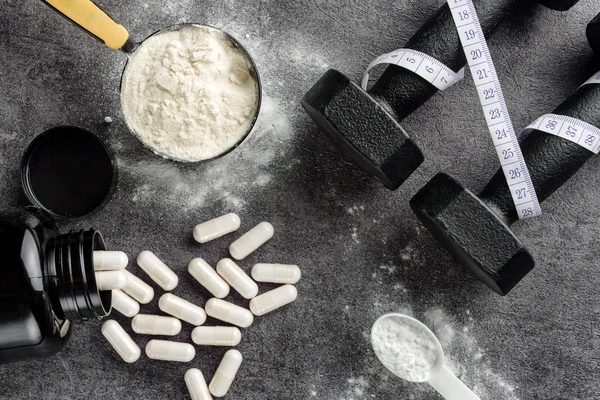
The US Council for Responsible Nutrition (CRN) has published an updated scientific assessment reaffirming the safety of creatine monohydrate and increasing the highest observed intake (HOI) for supplemental creatine monohydrate in adults from 5 g to 10 g per day.
The assessment, supported by a grant from the CRN Foundation, draws on two decades of clinical research published since the organization’s 2006 evaluation.
An HOI represents the highest intake observed or administered in studies of acceptable quality. CRN describes this as the highest intake supported by available studies in which no adverse health effects were identified. It notes that an HOI is not a recommended daily dose or a tolerable upper intake level (UL).

“The science is clear: creatine has a strong safety record backed by decades of rigorous clinical research,” says Andrea Wong, Ph.D., senior vice president and chief science officer at CRN.
“The latest findings reinforce this record and demonstrate just how far the science has advanced, providing a solid foundation for evaluating creatine safety as its use expands beyond sports nutrition.”
Evaluating the clinical evidence
The evaluation is part of the fourth edition of Vitamin and Mineral Safety. The chapter was updated in October 2026 by ToxStrategies, a BlueRidge Life Sciences company.
CRN’s updated review includes 162 clinical studies and found no serious adverse events attributed to creatine monohydrate supplementation. However, the chapter acknowledges that not all studies were specifically designed to assess serious adverse events. For its HOI assessment, CRN focused on 58 studies, including research from its previous 2006 evaluation.
The evidence supporting the 10 g/day HOI includes 15 randomized controlled trials examining approximately 10 g of creatine daily. The largest and longest trial involved 1,741 people with Parkinson’s disease who received 10 g daily for five to eight years. Researchers found no detectable difference in side-effect incidence between the creatine and placebo groups.
CRN notes that the largest and longest higher-dose studies primarily involved people with neurological disorders, limiting how directly their findings can be extrapolated to the general adult population. However, the evidence also includes studies involving healthy adults, athletes, and postmenopausal women.
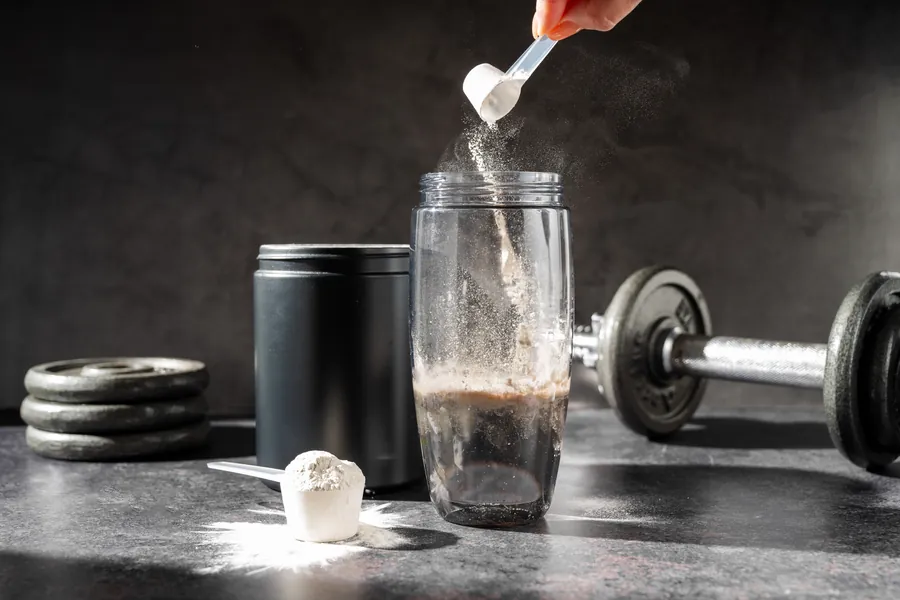 CRN’s Wong says that creatine has a strong safety record backed by decades of rigorous clinical research.The assessment identifies important considerations for specific populations. People with impaired kidney function are excluded from the HOI’s target population because evidence in this group is limited. CRN advises them to consult a health care provider before starting any supplements.
People with active cancer are also advised to seek medical advice, although they are not excluded from the HOI.
To minimize gastrointestinal discomfort, particularly diarrhea, CRN recommends dividing the 10 g daily intake into servings of no more than 5 g.
Rise in creatine use
CRN’s HOI applies only to adults and does not establish a safe intake for adolescents.
Creatine use rose rapidly between 2019 and 2024 as a muscle-building sports nutrition supplement among teens, according to a US study published in Annals of Epidemiology.
The study authors flagged the rise as a concern, noting that pediatric guidance recommends that adolescents avoid creatine products because evidence on safety and efficacy in young people is limited.
No tolerable upper intake level for creatine has been set by the Institute of Medicine, the European Food Safety Authority (EFSA), or the UK’s Expert Group on Vitamins and Minerals, the chapter notes.
 To minimize gastrointestinal discomfort, particularly diarrhea, CRN recommends dividing the 10 g daily intake into servings of no more than 5 g.The European Commission’s Scientific Committee on Food, in 2000, and EFSA, in 2004, concluded that supplemental intakes of up to 3 g per day were unlikely to pose a health risk.
Beyond sports nutrition
According to CRN, these findings reinforce creatine’s established safety profile at a time when interest in the ingredient is expanding beyond traditional sports nutrition. Research is also exploring creatine’s potential role in healthy aging, women’s health, and cognitive function.
For instance, a scientific literature review published in 2026 explored creatine monohydrate’s potential as an adjunct treatment for depression. The review examined five randomized controlled trials involving 238 participants and reported mixed findings, highlighting the need for further research before conclusions can be drawn about its clinical potential.
Creatine also appears in launches in the energy space, such as Bulletproof Coffee + Creatine, a “first of its kind” functional coffee innovation. According to the brand, each serving provides 5 g of creatine monohydrate and 250 mg of electrolytes, with the product positioned to support performance and hydration.
Expanding safety beyond vitamins and minerals
CRN says that the update on creatine reflects its ongoing initiative to expand its Vitamin and Mineral Safety technical handbook beyond essential micronutrients to encompass bioactive compounds widely used in dietary supplements.
The chapter explains that, unlike vitamins and minerals, creatine is not a standard nutrient and is therefore not typically evaluated to establish upper intake levels or limits.
“This new chapter reflects our commitment to keeping supplement safety evaluations current with the latest science,” says Wong. “As consumer interest in ingredients like creatine grows, it is important that safety recommendations are based on rigorous scientific evidence.”