



Angel Yeast’s Angeopro yeast protein secures low FODMAP and clean label certifications


Key takeaways
- Angel Yeast’s Angeopro Yeast Protein line earned Monash University Low FODMAP and Clean Label Project certifications.
- Free from common allergens, gluten, and lactose, the biofermented protein offers a complete amino acid profile with a top PDCAAS score of 1.0.
- The ingredient also contains prebiotic β-glucan to support gut health and immune regulation while providing a steady, sustained release of amino acids.
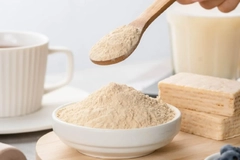 (All image credits: Angel Yeast).
Angel Yeast’s yeast protein line, Angeopro, has secured global third-party nutritional certifications from Monash University’s Low FODMAP (fermentable oligosaccharides, disaccharides, monosaccharides, and polyols) program in Australia and the US-based Clean Label Project.
According to the China-based supplier, the dual recognitions support Angeopro Yeast Protein’s gentleness on digestion and claims of being free from common allergens and contaminants, making it suitable for a wider range of consumers.
The third-party certifications cover the line’s F80, F84, Hi90-A, and S80-A varieties. These yeast proteins are produced using Angel Yeast’s biofermentation process, which the company designed for sustainable production and high nutritional yields.
Dietary and clean label certifications
Monash University’s Low FODMAP certification confirms that the Angeopro Yeast Protein range is low in FODMAPs, a group of fermentable short-chain carbohydrates.
“Achieving the low FODMAP certification means that the Angeopro Protein range is a suitable ingredient to use for low FODMAP food applications, helping people with digestive sensitivities such as irritable bowel syndrome minimize uncertainty in their food choices,” states Angel Yeast.
Meanwhile, the Clean Label Project certification looks “beyond the ingredient label” to uncover hidden contaminants invisible to consumers.
“Rigorous, independent third-party testing at an ISO 17025-accredited laboratory gives consumers something they can trust: verified assurance of what’s really in the products they choose,” Angel Yeast highlights.
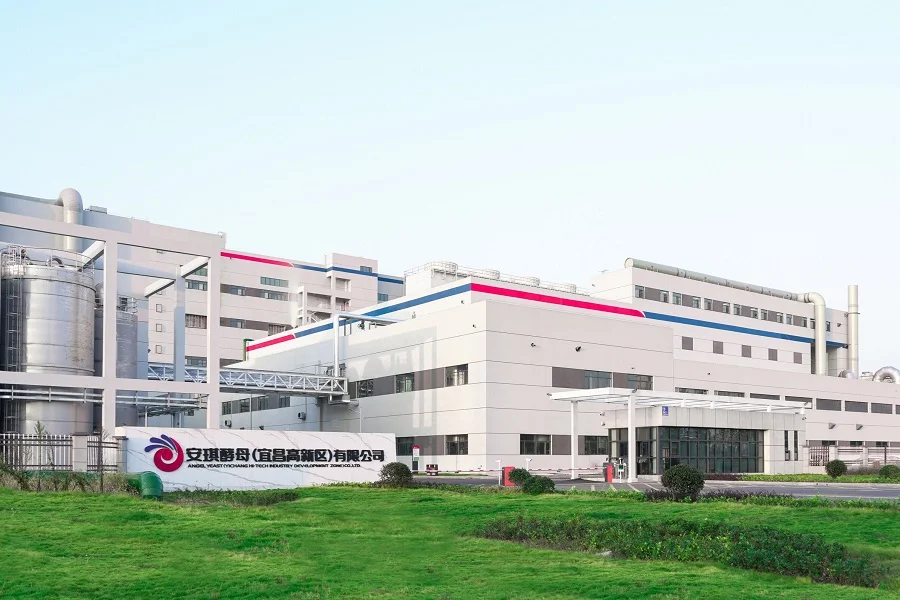 Angel Yeast production plant in Hubei, China.The supplier adds that Angeopro Yeast Protein is naturally free from lactose, gluten, and common allergens, making it a versatile protein choice for people with lactose intolerance, gluten sensitivities, and other special dietary requirements. It is also suitable for people on vegetarian and vegan diets as a non-animal protein.
“The Clean Label Project certification goes beyond the ingredient-simplification approach commonly associated with the term ‘clean label.’ Rather than simply reducing the ingredient list, Clean Label Project certification emphasizes the control of potential contaminants through rigorous scientific testing,” states Angel Yeast.
Yeast protein’s nutritional profile
With a high Biological Value — a standard industry metric showing how efficiently the body absorbs and utilizes protein — and a maximum PDCAAS 1.0 (Protein Digestibility-Corrected Amino Acid Score), the company details that its yeast protein is easily absorbed and utilized by the body.
“The product is especially suitable for the elderly with reduced digestive enzyme secretion and for people with weaker gastrointestinal function,” it adds.
Additionally, Angeopro offers a complete amino acid profile with all nine essential amino acids, along with a high proportion of BCAAs (branched-chain amino acids), according to the supplier.
A recent study revealed that blending whey protein — considered the gold standard for rapid absorption — with AngeoPro Yeast Protein creates a synergistic effect that surpasses either protein source used in isolation.
The company says the protein supports the gut and immunity as it contains β-glucan, a prebiotic that supports gut microbiota balance and immune regulation while supplementing protein.
Moreover, it explains that yeast protein is characterized by rapid initial digestion, high overall digestibility, and sustained amino acid release. This establishes the ingredient as a “full-cycle protein source” with versatile nutritional applications, from daily nutritional supplementation to special dietary requirements.
Last November, the company inaugurated operations at its new yeast protein production line at the Baiyang Biotechnology Park in Yichang, Hubei, China. The facility has an annual production capacity of 11,000 tons of high-purity yeast protein with a protein content exceeding 80%.