





Protein, fiber & taste drive next wave of GLP-1 companion nutrition

Key takeaways
- Arla Foods Ingredients, Tate & Lyle, Cosun Ingredients, and Kerry highlight protein, fiber, and nutrient-dense options as the foundation for GLP-1 companion nutrition.
- They say that gastrointestinal side effects and changes in flavor perception drive a focus on taste, texture, and digestive comfort in companion products.
- The ingredient suppliers also believe the GLP-1 conversation will move beyond weight management to better everyday nutrition.

GLP-1 consumers are eating less, but not necessarily better, caution ingredient suppliers. They see the growing prevalence of these medications driving a shift in food and beverages, sparking innovations in nutrient-dense products with protein and fiber. Moreover, they spot taste, texture, and digestive comfort as key purchasing drivers.
Innova Market Insights data indicates that GLP-1 mentions in supplement launches grew by 67% from July 2023 to June 2026. New product launches are moving beyond appetite control, combining prebiotics, probiotics, fiber, berberine, botanicals, vitamins, and minerals to address satiety, metabolic health, and digestive wellness.
Nutrition Insight speaks with Arla Foods Ingredients, Tate & Lyle, Cosun Ingredients, and Kerry about core GLP-1 companion ingredients and their shift to mainstream nutrition.

Katrine Helene Fruergaard Holm, marketing manager at Arla Foods Ingredients, says GLP-1 adoption is “set to soar” by the end of this decade. She shares data from Innova Market Insights’ 2023 Global Picture on Obesity, which estimates that 24 million people will use the medication by 2030, up from five million users in 2023.
“The introduction of tablet formats will also increase GLP-1 appeal to consumers who were averse to injections,” Holm adds.
 Holm notes that semaglutide patent expirations in 2026 represent a significant growth opportunity for GLP-1 companion nutrition.“In addition, patents on the world’s leading GLP-1 drug, semaglutide, start expiring in Brazil, Canada, China, India, and Turkey in 2026, enabling cheaper generics to enter the market. With 33% of global adult obesity occurring in these markets, this represents a huge growth opportunity for GLP-1 companion nutrition.”
Tate & Lyle sees strong potential in protein, fiber, and targeted prebiotics.
“This isn’t only about people taking medication,” comments the company's VP Nutrition and Health Science, Dr. Clare Leonard. “In our 2026 Ingredient Tracker, 63% of consumers said they intended to increase their fiber intake over the following year.”
At the same time, Leonard says that nutrition is only part of the picture. “When somebody has a smaller appetite, the healthier food they choose still has to taste and feel good. Flavor-modifying ingredients can help tackle bitterness from added proteins, while hydrocolloids can restore the creamy mouthfeel people expect.”
From eating less to eating better
Laurens Delameilleure, business lead for Fibers and Prebiotics at Cosun Ingredients, underscores that it is more difficult for GLP-1 users to achieve adequate intake of protein, fiber, and essential nutrients due to decreased appetite and portion sizes.
“This creates opportunities for the nutrition industry to support consumers with nutrient-dense foods and beverages that deliver more nutritional value in every bite and sip.”
Delameilleure says that successful innovations combine strong nutrition with great taste, convenience, and formats. She sees potential for science-based solutions that help consumers meet nutritional needs and maintain healthy dietary patterns.
Holm at Arla Foods Ingredients flags that GLP-1s’ gastrointestinal side effects may also result in lower food intake. She cautions that eating less doesn’t necessarily mean eating better. “Neither does the traditional meal replacement market reflect this new reality, because it is still built around calorie control and large volumes.”
“We believe that the GLP-1 companion ingredient market is reframing weight management away from ‘eat less’ and toward ‘nourish better’ — focusing on muscle preservation, metabolic health, and quality of life.”
Becca Stark, sustainable nutrition manager at Kerry, echoes this sentiment, highlighting opportunities beyond diet-focused rebranding.
“Success will depend on meeting recognized nutritional needs through targeted delivery of high-quality protein, fiber, essential micronutrients, hydration support, and digestive health solutions, while also addressing emerging sensory challenges associated with GLP-1 use.”
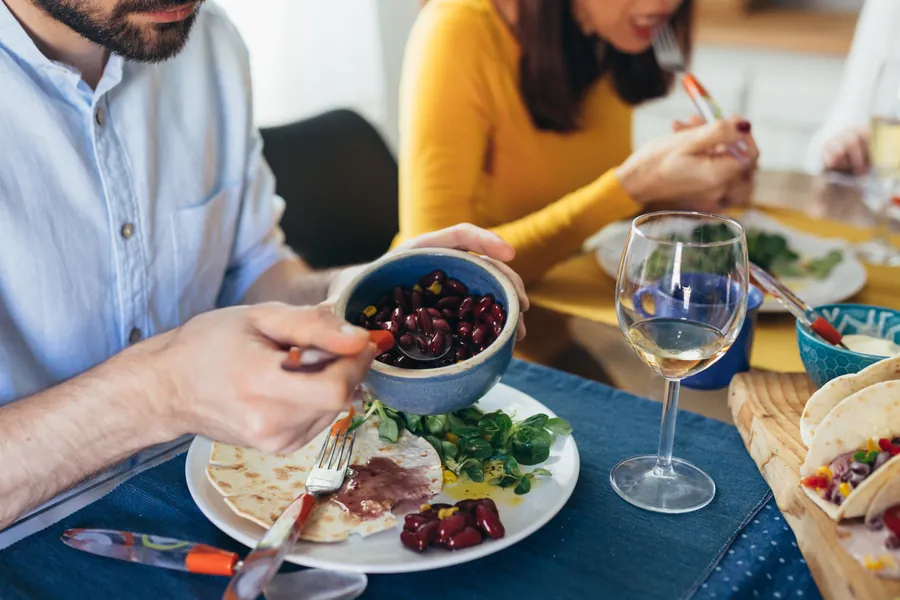 In Tate & Lyle’s 2026 Ingredient Tracker, 63% of consumers said they intended to increase their fiber intake over the following year.For example, she notes that consumers may have a heightened sensitivity to sweetness or saltiness, aversions to certain textures, and changed flavor perception.
Fiber’s expanding role
Tate & Lyle’s proprietary GLP-1 research from June 2026 shows that consumers want to understand ingredients and the evidence behind claims, says Leonard.
“That means robust human clinical trials, claims that comply with local regulations, and products that deliver a benefit at an amount people can realistically consume. The food industry should be especially careful not to imply that food ingredients reproduce the effects of GLP-1 medication.”
Leonard highlights Tate & Lyle’s Promitor Soluble Fiber, backed by a 2026 randomized controlled crossover trial with 42 healthy adults reporting benefits for cognition and attention with 18 g of the fiber daily over four weeks.
“We’re exploring concepts containing 9 g or 18 g of fiber, showing how that studied daily amount might fit into one or two drinks or snacks,” she details.
Delameilleure from Cosun Ingredients details that prebiotic fiber helps address fiber intake gaps and supports digestive well-being. “Clinically studied prebiotics such as inulin and oligofructose selectively stimulate beneficial gut bacteria and promote short-chain fatty acid production, supporting gut health and gut-derived satiety signaling.”
He adds that combining fiber with protein, such as Cosun Ingredients’ Sensus chicory root fiber and Tendra fava bean protein, can help address the needs of consumers using weight-loss medication by helping maximize the nutritional value of smaller meals.
Muscle maintenance
Arla Foods Ingredients’ Holm details that lean muscle mass typically accounts for 25% of total mass loss under traditional weight-management interventions, whereas with GLP-1s it can be as high as 40%.
 The main innovation gap in companion nutrition is the ability to combine nutritional density, digestive comfort, great taste, and convenience, says Delameilleure.She says that such high levels of muscle loss can have significant implications for physical strength and function, which may continue to be an issue after GLP-1 cessation, when appetite returns.
“If consumers don’t eat enough protein at this stage, their bodies are more likely to regain fat mass than rebuild lost muscle. This can potentially make it harder to stay healthy and maintain weight loss over the long term.”
In this space, Holm highlights Arla Foods Ingredients’ Lacprodan BLG-100 whey-derived beta-lactoglobulin (BLG), which she says is naturally high in leucine, a key trigger for muscle protein synthesis.
“This enables us to deliver a physiologically meaningful leucine dose in a very small serving size, which is ideal for GLP-1 users with reduced appetite.”
Nutrition, digestion & taste
The main innovation gap in companion nutrition is not ingredient availability, believes Delameilleure, but the ability to combine nutritional density, digestive comfort, great taste, and convenience in one solution.
“We see significant opportunities for nutrient-dense products such as shakes, bars, mini-meals, and snacks that successfully combine protein, prebiotic fiber, and other essential nutrients.”
Kerry’s Stark adds that the medications are accelerating innovation trends that were already gaining momentum, rather than creating an entirely new category.
“They are increasing the importance of nutrient density, functionality, and ‘value per bite,’ reinforcing the need for products that deliver multiple health benefits within every eating occasion.”
“Interest is growing in solutions that support metabolic health, energy management, stress resilience, and sleep quality, creating opportunities across high-protein beverages, drinkable yogurts, meal replacements, mini-meals, and functional snacks,” she specifies.
Stark notes that ready-to-drink shakes and other compact formats are particularly well-positioned, as these offer convenience and targeted nutrition in portions that align with changing consumption habits.
 Stark says that consumers may have a heightened sensitivity to sweetness or saltiness, aversions to certain textures, and changed flavor perception.Moreover, she notes that successful innovation across different stages of GLP-1 treatment will combine science with enjoyable taste and formats that feel manageable and repeatable.
“Before treatment, consumers may establish protein, hydration, and digestive-comfort routines; during use, lighter formats become more important; and afterward, products must support long-term strength, metabolic health, and balance,” she adds.
GLP-1 friendly?
While food and drink have an important role alongside GLP-1 treatment, Leonard from Tate & Lyle underscores that they are not a substitute for it.
“We need to be just as clear in how we describe those products,” she stresses. “There are no global guidelines on the nutritional needs of GLP-1 users, and a ‘GLP-1 friendly’ claim on its own can mean different things to different people.”
Citing Tate & Lyle’s proprietary research, she suggests a GLP-1 friendly claim can be a useful signpost, where permitted, and if it’s backed by clear nutritional information and properly substantiated claims.
“Clear information about what a product provides — such as 10 g of fiber, its smaller portion size, or a substantiated digestive-health benefit — is more useful than relying on the ‘GLP-1-friendly’ label alone.”
Kerry’s Stark adds that the European Food Safety Authority has not approved any nutrition or health claims in relation to GLP-1 use. She recommends companies take a cautious and compliant approach to on-pack communication.
She suggests companies focus on substantiated benefits linked to nutrients and health outcomes that are relevant to this consumer group, such as protein, fiber, energy metabolism, cognitive function, and bone health.
At the same time, she cautions that Kerry’s research and market observations suggest that many consumers do not wish to be identified by their use of GLP-1 medications. “Rather than seeking products overtly marketed toward GLP-1 users, they tend to favor solutions positioned around broader health and wellness goals.”
 The food industry should be especially careful not to imply that food ingredients reproduce the effects of GLP-1 medication, warns Leonard.“This suggests that mainstream claims focused on protein, digestive health, healthy aging, energy, satiety, and overall well-being may resonate more strongly than explicit GLP-1 references, enabling brands to address consumer needs while maintaining broad market appeal.”
Mainstream nutrition platform
Leonard says Tate & Lyle sees the conversation moving beyond weight management toward better everyday nutrition.
“That creates opportunities beyond a specialist ‘GLP-1’ range. For someone eating less, it may be a nutrient-dense snack in a smaller portion. For someone coming off treatment, it may be a familiar food that supports their satiety goals. In both cases, taste and texture remain essential.”
She also highlights a “household effect,” where choices of one person who is more aware of what they’re eating can influence everyone around the table. “That’s why we see this as a wider opportunity to make everyday foods more nourishing and enjoyable.”
Cosun Ingredients also expects GLP-1 companion nutrition to evolve from a niche category into a mainstream nutrition platform, notes Delameilleure. He believes that rising adoption of the medication will drive demand for foods and beverages with more nutrition in smaller portions and innovations in protein enrichment, prebiotic fiber, nutrient density, and convenient formats.
“North America is likely to remain at the forefront due to high GLP-1 adoption and strong consumer awareness,” he adds. “Europe will emphasize scientific substantiation and long-term health outcomes, while Asia-Pacific offers significant growth potential as health awareness and interest in preventive nutrition continue to rise.”
“Across regions, the focus will expand beyond weight management toward broader nutritional support,” Delameilleure predicts. “The greatest opportunities will be for solutions that help consumers maintain muscle health, support digestive well-being, and optimize nutrient intake throughout their GLP-1 journey.”