




World Brain Day 2026: AI maps microbiome-cognition links as brands seek clinical proof

Key takeaways
- As World Brain Day aims to make care accessible to all, the EU-funded Nutrimind project uses AI to map links between diet, the microbiome, and mental health for public policy.
- AI modeling accelerates the identification of dietary patterns and biological markers tied to cognitive well-being.
- Ingredient developers are using deeper clinical research to stand out, such as curcumin clinical trials for mild cognitive impairment.
This year’s World Brain Day aims to make brain health accessible to “everyone, everywhere,” as many people globally cannot access essential care. The scientific frontier of cognitive health is expanding, leveraging AI to translate large-scale public nutrition research into meaningful dietary approaches to mental well-being.
In Europe, new EU funding is giving rise to computer generative modeling to decode complex diet-microbiome signatures across diverse national diets, while ingredient developers are addressing a saturated supplements market through more targeted clinical differentiation.
Nutrition Insight speaks to industry representatives and the European Food Information Council (EUFIC) to scope out developments across market activities and public health policy. Teresita Rudà, head of Marketing and Brand Positioning at Lehvoss Nutrition, shares her take on the key challenges of differentiating in an increasingly saturated market.

Her insights accompany those of Giacomo Sini, project coordinator at EUFIC, which heads the EU-funded Nutrimind project. The newly launched initiative is a four-year endeavor investigating how diet, nutritional status, and the gut microbiome are associated with depression, anxiety, and other mental health outcomes throughout life.
Bridging nutrition and brain health
Although evidence already suggests important links between nutrition and mental health, Sini stresses that current research is often fragmented and complex. Pooling data from across varied European national diets, Nutrimind aims to provide a stronger evidence base for future prevention strategies, dietary guidance, and public health policy.
“Dietary data, biomarkers, microbiome profiles, and mental health measures are not always collected or analyzed together, methods differ among studies, and findings can be difficult to compare across countries and age groups,” he underscores.
.webp) The EU-funded Nutrimind project led by EUFIC will pool data from across varied European national diets to advise future dietary guidance and public policy around brain health.Nutrimind will address these limitations by harmonizing and integrating data from large European cohorts and combining dietary, clinical, behavioral, socioeconomic, and microbiome information.
The EU-funded Nutrimind project led by EUFIC will pool data from across varied European national diets to advise future dietary guidance and public policy around brain health.Nutrimind will address these limitations by harmonizing and integrating data from large European cohorts and combining dietary, clinical, behavioral, socioeconomic, and microbiome information.
“AI-supported modelling will be used to examine complex interactions, identify candidate diet- and microbiome-linked risk or resilience patterns, and test whether these findings are consistent across different populations,” says Sini.
“Nutrimind will investigate whether reproducible microbiome features, microbial pathways, or metabolite profiles are associated with depression, anxiety, and other mental health outcomes. By harmonizing microbiome and multi-omics data and analyzing them alongside diet and clinical information, the project might identify microbiome signatures that warrant further investigation.”
Nutrimind primarily focuses on evaluating dietary patterns, combinations of foods (food groups) and nutrients, and broader nutritional profiles rather than validating individual ingredients. The project will examine whether associations between mental health outcomes and particular dietary patterns, nutrient combinations, food groups, or certain types of beverages (caffeine, alcohol, and sugar) are consistent across cohorts and supported by biological and behavioral data.
“Examples might include plant-rich or Mediterranean-style dietary patterns, overall diet quality based on — for example — vitamin and mineral content, or combinations of macro- and micronutrient exposures, depending on data available in the participating cohorts,” explains Sini.
Harnessing AI capabilities
Under human oversight, Sini explains that AI can help detect complex patterns across biological and mental health data that would otherwise be too difficult and time-consuming to identify using conventional analyses alone.
“Using these tools might reveal combinations of dietary exposures and biological characteristics associated with different mental health outcomes,” he highlights.
“Models might also help identify population subgroups that share dietary, metabolic, or mental health profiles and assess whether associations differ by age, sex, socioeconomic circumstances, or other characteristics. This could improve our understanding of why similar dietary choices might not have the same impact for everyone.”
 To compete in a saturated market, brands must effectively translate complex scientific evidence into compelling and accessible value propositions.As one example of AI-expedited ingredient development, suppliers Brightseed and Nuritas are using computer models to compress R&D timelines “from years to months” by quickly screening massive molecular libraries to uncover the health benefits of new peptides and plant-sourced bioactive compounds.
Sini, however, emphasizes that Nutrimind is not an ingredient-discovery or consumer-segmentation project, and its models will not produce personalized dietary recommendations or commercial product concepts.
“Instead, the main value will be in identifying sources of variation, supporting the design of future targeted studies and interventions, and providing evidence to inform public health policy and prevention strategies.”
Commercial challenges
From a commercial perspective, Rudà at Lehvoss Nutrition emphasizes one of the greatest challenges in marketing ingredients in the brain health category today: achieving clear differentiation in an increasingly competitive market, while effectively translating complex scientific evidence into compelling and accessible value propositions.
“Success depends on communicating the research and mechanisms of action in a way that resonates not only with food supplement brands but also with end consumers, ensuring the benefits are understood and appreciated across the entire value chain,” she notes.
Lehvoss Nutrition exclusively distributes Verdure Science’s cognitive curcumin ingredient Longvida across Europe, which Rudà notes is backed by 12 papers supporting its benefit for cognition factors like mood and working memory. With consumers increasingly prioritizing scientific evidence behind individual ingredients, she says new data on the depth of Longvida’s capabilities have emerged.
“We have known for some time that Longvida has shown favorable outcomes in healthy middle-aged adults,” says Verdure Sciences. “Now, we have some compelling data materializing in patients with mild cognitive impairment that we are thrilled to be publishing soon.”
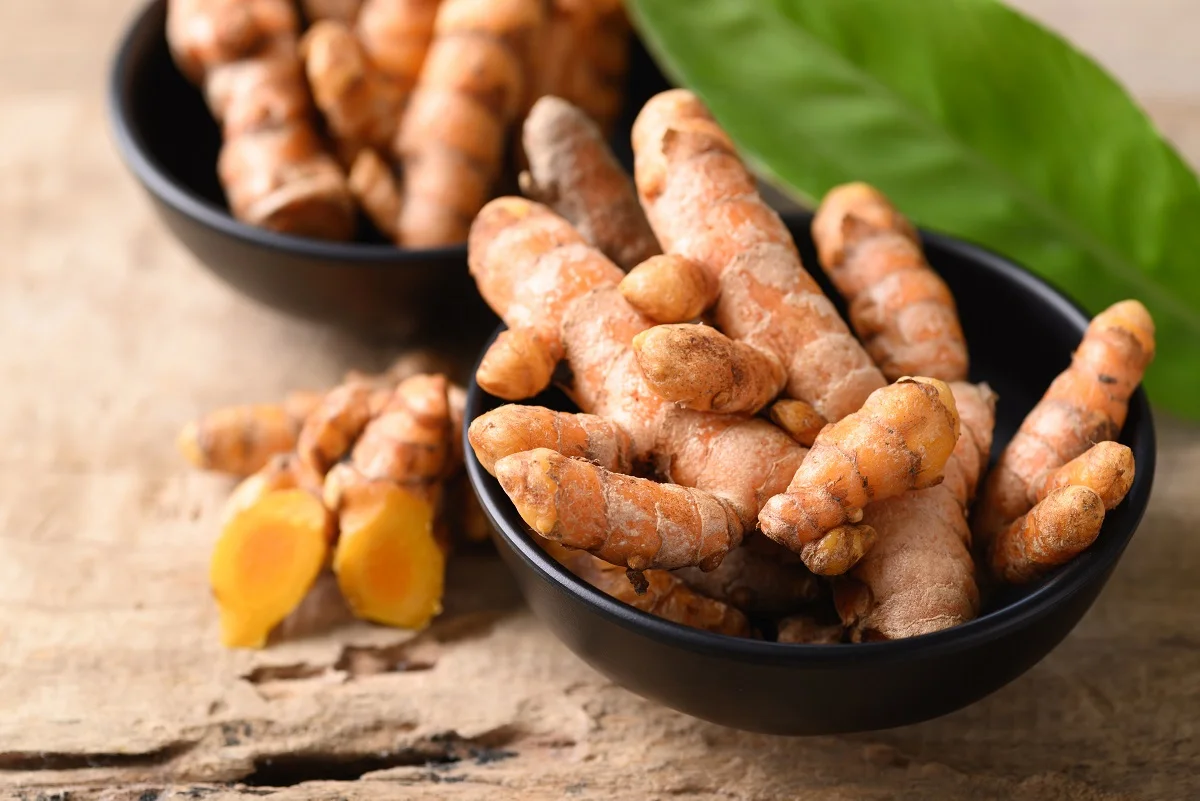 Lehvoss Nutrition distributes the cognitive curcumin ingredient Longvida by Verdure Science, which is backed by 12 papers supporting its benefit for cognition factors like mood and working memory.In terms of trending formats and ingredient synergies, Verdure Sciences highlights that functional beverages and bedtime drinks have “tremendous, continued potential” in the brain health sector. According to Innova Market Insights’ Global Functional Beverages report for 2025, new functional beverage launches achieved double-digit year-over-year growth rates for two consecutive years, outpacing traditional beverage categories.
“Consumers are looking for new and interesting ways to share a beverage and socialize while also reducing their overall alcohol intake,” Verdure Sciences highlights. “We’ve seen a lot of movement in the caffeine alternative beverage market using functional ingredients to make chai and coffee alternatives.”
“I think Longvida would make a fantastic addition for a boosted functional twist on a traditional ‘golden milk latte’ mixture. Golden milk has been used traditionally to support brain health and mood, aid digestion, and soothe inflamed joints. Golden milk is naturally caffeine-free as well, easily placing it in both the coffee alternative and nighttime beverage sectors.”
Verdure Sciences adds that ingredients like Restoridyn — a proprietary polyphenol blend of Longvida and Pomella pomegranate extract — can add the adaptogenic potential of curcumin with the antioxidant potential of pomegranate to make “flavorful yet functional beverages,” in ready-to-mix and ready-to-drink formulations.
Verdure Sciences also observes the acceleration of demand for brain health supplements across multiple consumer demographics, beyond students and working professionals looking to optimize productivity and enhance attention. An emerging target segment includes women in the perimenopause and menopause life stages looking to alleviate brain fog.
“These consumers favor natural nootropics as well as clean label ingredient profiles. Ingredients from Verdure’s profile like Bacognize (Bacopa monnieri) and Longvida are excellent choices for any formulation looking to meet these consumer concerns,” says Verdure Sciences.
Verdure Sciences also operates an Insights Lab, which offers a resource for assisting brands in designing formulations blending functional ingredients with appealing flavors and textures to create products that prioritize performance outcomes and market appeal.