


Hormonal harmony in perimenopause: Balancing health by closing key nutrition gaps


Key takeaways
- Perimenopause is a critical phase requiring hormonal support through proper nutrition, with key nutrients.
- Hormonal fluctuations in perimenopause require supplements that are bioavailable and can address multisystem support.
- The gap in the market lies in the lack of clear, research-backed products that consider bioavailability and potential contraindications.

Perimenopause brings multiple biological changes, and with it come health challenges and evolving nutritional needs.
Nutrition Insight speaks with AND/life’s founder and CEO Andrea Marcellus, and registered dietitian Rebecca Rabena, about how perimenopause isn’t a phase to “push through,” but rather a time when extra attention should be put on hormonal health and nutritional support.
Important aspects to consider for perimenopausal and menopausal women include hormone fluctuations, not just decline, says Rabena.
“Estrogen and progesterone can swing dramatically from day to day, and ingredients in supplements need to modulate that response.”
“Some of the biggest concerns for this population would be formulating products for ‘multi-system’ support: nervous system or stress, sleep, metabolic health, insulin sensitivity, muscle and bone preservation, brain health and mood, and gut health and absorption.”
She argues formulations need to be highly absorbable and provided in clinically relevant amounts, and the regimen needs to be simple enough for adherence.
Nutritional needs in perimenopause
Rabena shares the key nutritional needs for mid-life women, pointing to protein recommendations being 1.2–1.6 g per kg of body weight daily to preserve lean muscle mass, stabilize blood sugar, and support metabolic function.
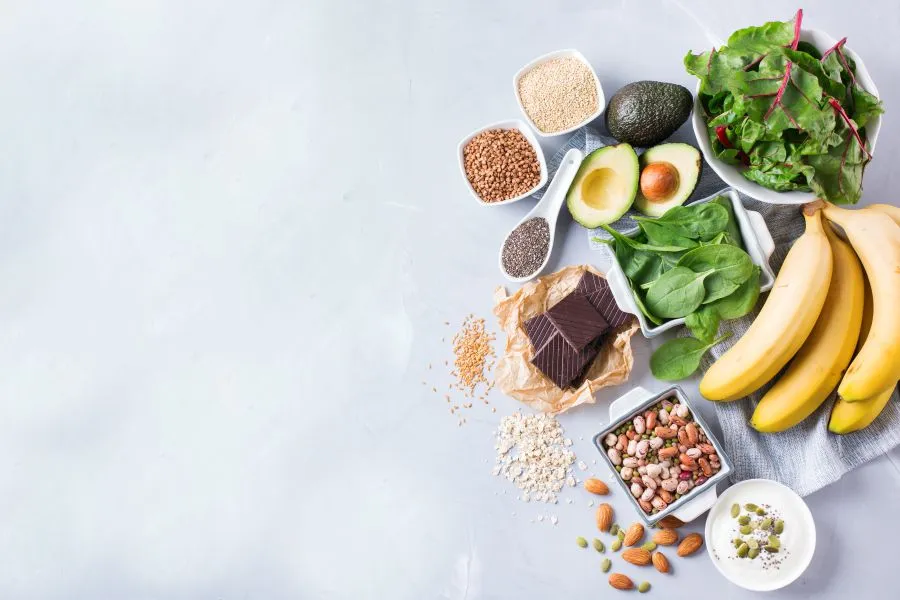 Rabena stresses that obtaining adequate amounts of magnesium is important for bone support, muscle, and sleep.“Another important nutrient is fiber, recommended at 25–30 g daily to regulate blood sugar, help with weight control, and improve gut microbiome. Calcium is recommended at 1,000–2,000 mg daily for bone health and to decrease osteoporosis risk.”
She further stresses that obtaining adequate amounts of magnesium is important for bone support, muscle, and sleep. Moreover, vitamin B12 is important for energy and brain function, while iron is essential for oxygen transport and energy.
Other beneficial food-sourced compounds include phytoestrogens, which can bind to estrogen receptors and produce mild estrogen-like effects. They are abundant in foods like flaxseeds, soy products, sesame seeds, dried fruits, and cruciferous vegetables.
Marcellus adds that achieving hormonal harmony is among the top results women are looking for when shopping for perimenopause products. “Women understand that hormonal fluctuations are causing symptoms, and they want relief to come from a ‘natural’ source. In some cases, women want to manage their hormonal health without the use of actual hormones.”
Secondly, they look to improve metabolic function, understanding that hormones are affecting fat storage and the ability to use fat for fuel. Thirdly, they also look for products that improve sleep, as perimenopausal women often wake up in the middle of the night and struggle to get back to sleep.
Market gap
Marcellus argues that while there is an abundance of supplements available for perimenopausal women claiming to provide improvement in all of the areas mentioned, there is not a lot of clarity or research for women to feel safe and supported in taking them.
“Very often, we see supplements taken in a very general way without considering bioavailability or contraindications with other supplements or medications. A very common example of this is increasing vitamin D without also taking vitamin K to ensure its bioavailability,” says Marcellus.
 While there is an abundance of supplements available, there is not a lot of clarity or research for perimenopausal women to feel safe and supported in taking them.“Another common area for confusion is magnesium, as there are many forms of magnesium with different bioavailabilities and purposes. Sourcing and proof of purity are a major concern for many consumers and professionals making recommendations.”
In a recent industry move, AstaReal AB launched its Magnesium Total by Astaxin supplement, containing a mix of magnesium forms in a vegetable capsule, offering high bioavailability for energy metabolism.
Food first, supplements second
Nutrition Insight recently spoke with multiple women’s health experts to discuss the specifics of new research advances while examining female nutritional needs in greater depth.
Alisa Vitti, the creator of the Cycle Syncing Method, told us that treating PMS symptoms with nutrition rather than pharmaceutical interventions is gaining traction. This approach addresses the condition’s root cause with a safe and healthy approach instead of conventional synthetic treatments, such as oral contraceptives that disrupt the menstrual cycle rather than support it.
She stressed that everything women have been told to do — eating the same calories daily, working out the same way daily, and waking up at the same time every morning — is based on research done on men, which compounds the issue.
Gatorade, a Pepsi company, recently introduced Body of Science, a multiyear research commitment to help close science gaps in women’s health. The research will aim to provide knowledge on what the female body needs in terms of hydration and nutrition, inside and outside of sports, throughout life’s different stages, taking hormonal fluctuations into account. Gatorade flags that only 6% of global sports science has focused exclusively on women.
 Marcellus stresses that perimenopause is dynamic and hormones fluctuate.Marcellus stresses that perimenopause is dynamic. Hormones like estrogen and progesterone fluctuate so constantly and unpredictably that many practitioners do not even test them regularly with bloodwork. “They instead treat symptoms with either pharmaceutical or supplemental support.”
“Either way, formulas and supplements should ideally be paired with the guidance of a practitioner who understands your entire health history and picture. Most importantly, however, no supplement will ever override a poor foundation or beneficial lifestyle habits, including nutrition, exercise, stress management, and sleep.”
An example of such is that perimenopausal women using GLP-1 weight loss drugs have different nutritional needs, as these medications have been shown to decrease muscle mass, which is essential for blood sugar regulation, bone density, and strength. Marcellus emphasizes that this is especially apparent among perimenopausal and menopausal women on these drugs. Therefore, a food-first approach is more important than a supplement-first angle.
Marcellus concludes: “Our philosophy is to get lifestyle practices that support hormonal harmony and the overall well-being in place first, and then get blood work to determine supplemental needs.”