



Cutting meat and dairy: Vegan diets could reduce GHG emissions by 35%


Key takeaways
- A low-fat, soybean-supplemented vegan diet can reduce GHG emissions by 35% and energy demand by 34%.
- Postmenopausal women experienced health improvements, including an average weight loss of 3.6 kg and a reduction of hot flashes.
- The study highlights the environmental and health benefits of shifting from meat and dairy to plant-based foods.
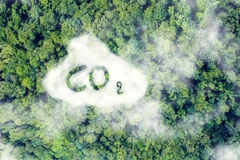
A study has found that vegan diets could decrease greenhouse gas (GHG) emissions by 35%. Plant-based products require less energy and produce fewer GHGs compared to animal-based products such as meat and dairy.
The study also showed health benefits such as weight loss and reduction of frequency and severity of hot flashes for postmenopausal women.
The reduction of GHGs was attributed mainly to reduced consumption of meat and dairy products, and following a soybean-supplemented low-fat vegan diet. The diet also significantly reduced cumulative energy demand by 34%.
“If you’re looking for a powerful way to shrink your carbon footprint, start with what’s on your plate,” says lead author of the study Hana Kahleova, P.hD., director of clinical research at the Physicians Committee for Responsible Medicine.

“Making this swap can help you reduce your GHG emissions as much as eliminating 600 miles (965 km) of driving.”
The authors note that quantifications of these outcomes on a vegan diet in real-life conditions still need to be further explored.
Small changes, big impact
The study, published in BMJ Nutrition, Prevention & Health, analyzed dietary records from a randomized clinical trial on 71 postmenopausal women aged 40 to 65 who adopted a low-fat vegan diet for 12 weeks.
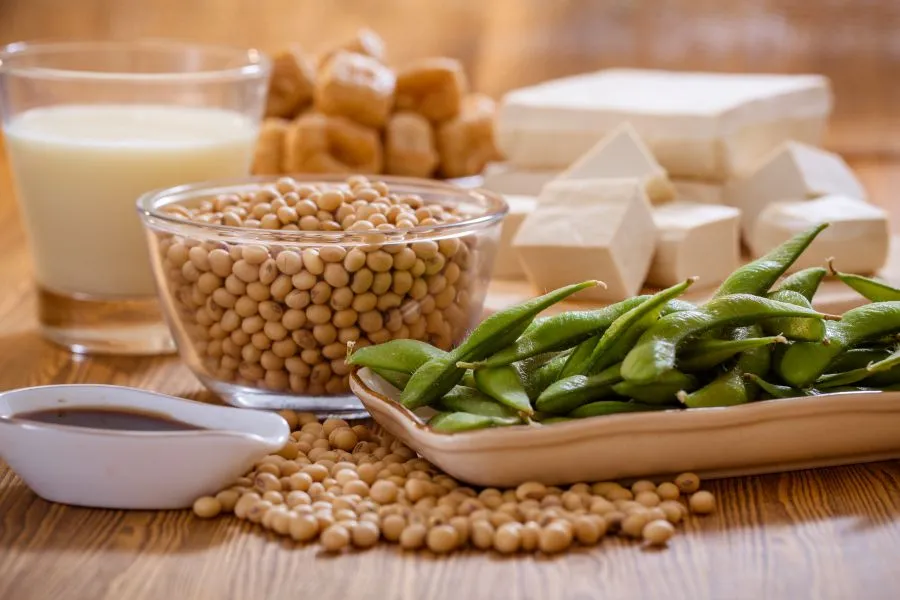 The women included half a cup of soybeans in their daily diet for 12 weeks.The women included half a cup of soybeans in their daily diet throughout the study period. The research team then linked the food intake to environmental impact databases to estimate GHG emissions and the required energy needed for their diets.
The 34% energy reduction is equivalent to the electricity needed to power an average US household for two hours, the authors detail.
“This research shows that replacing meat and dairy with plant‑based foods can dramatically cut emissions while improving health at the same time,” says Kahleova.
“Dietary choices are one of the most immediate actions individuals can take to reduce climate pollution. Even modest changes, when adopted widely, could have a meaningful impact on climate change.”
Healthy for people and planet
In terms of health improvements for postmenopausal women, the study found a reduction in severe hot flashes and their frequency.
Similarly, experts from ADM recently told us about how soy isoflavones could reduce the frequency and severity of hot flashes in menopausal women.
 Animal-based diets produce significantly higher GHG than plant-based diets, say the researchers.The new paper also found an average weight loss of eight pounds (3.6 kg) in the intervention group. Vegan diets have previously demonstrated efficiency for weight loss and inflammation.
Food production drives 30% of global GHG emissions and is transgressing the planetary boundaries, a previous report warned. Although the world produces plenty of food calories for everyone, almost 3.7 billion people lack access to healthy diets, fair wages, or clean environments.
Animal-based diets produce significantly higher GHGs than plant-based diets, say the researchers. Even taking small steps, such as reducing meat and dairy consumption, could play a large role in reducing environmental footprints in the global food system.
Recent research found that vegan diets reduce carbon footprints by up to 46–51%, lower land and water use, and cut communicable disease risks.
The European Institute of Innovation and Technology recently reported that over half (51%) of Europeans want to eat healthier, and 69% want to live more sustainably. However, affordability and issues with breaking old habits stand in the way of making lifestyle changes. It noted that sustainable food choices, such as lowering animal-based products, are declining.