


Next in ingestible beauty: Plant-based enzyme boosts skin’s natural antioxidant defenses


Key takeaways
- Ingestible beauty is shifting from linear, surface-level fixes like collagen to cellular-level solutions that upregulate the body's natural enzymatic antioxidant defenses.
- The formulation GliSODin acts indirectly by training cells to boost their own defenses, helping those with high oxidative load or age-related decline.
- Researchers say the future of high-quality nutricosmetics will prioritize measurable physiological resilience, like barrier integrity and recovery speed, over subjective appearance claims.
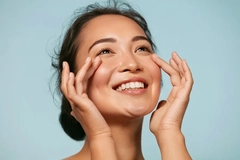
As consumers lean toward beauty-from-within nutraceuticals for skin benefits, experts say most of the conversation is still focused on surface-level fixes: collagen powders, glow blends, and quick-hit hydration. However, scientific advances are exploring what happens at a deeper cellular level — specifically, how the body’s internal antioxidant systems change with age, and how that shows up on the skin.
Nutrition Insight speaks to Dr. John Gaviria, functional medicine physician at Eleva Funcional, in Manizales, Colombia — a center dedicated to studying dermatological issues from the inside out — about new approaches in ingestible skin care through the lens of cellular resilience rather than topical results. He collaborates on clinical education with French biotech firm Isocell Laboratories, particularly on its ingredient GliSODin.

GliSODin is a plant-derived form of superoxide dismutase (SOD) — an enzyme the human body naturally produces, but less efficiently over time. GliSODin is a formulation of SOD extracted from Cucumis melo (melon), bonded to the wheat protein gliadin. It is a patented antioxidant ingredient owned and distributed globally by French biotechnology company Isocell Laboratories.
Rather than acting as a traditional antioxidant, GliSODin supports the body’s enzymatic defense system, which may help explain why some people see improvements not just in how their skin looks, but how it behaves.
“Traditional beauty supplements like collagen or biotin are positioned as direct supply — you ingest the molecule, and it produces a visible outcome,” Gaviria tells us. “For instance, collagen peptides are marketed as providing building blocks for skin matrix, or biotin as a cofactor for keratin production. The story is linear.”
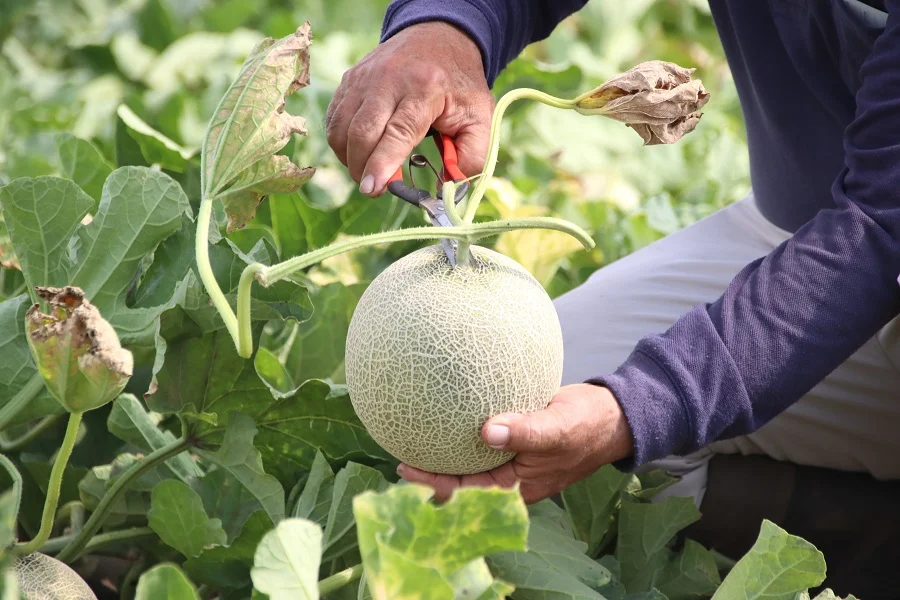 GliSODin is derived from Cucumis melo (melon), bonded to the wheat protein gliadin.Supporting endogenous antioxidant defenses — like SOD, catalase, or glutathione — works differently, he reveals. “You aren’t directly adding an antioxidant to the skin. Instead, you’re upregulating the cell’s own enzymatic machinery.”
“Think of it as teaching the skin to build and run its own fire department, rather than spraying water from a truck that arrives from the gut. This indirect, adaptive response is slower, less flashy, and less intuitive to market. But it addresses a root cause of aging (oxidative stress) rather than just compensating for a structural deficit.”
SOD activity and aging skin
Gaviria’s research focuses on oxidative stress and the gradual decline of the body’s own defense mechanisms — something he sees as a root driver of inflammation, sensitivity, and slower skin recovery. He discusses the evidence suggesting that declining SOD activity contributes to visible skin changes as people age.
“There’s a consistent, cross-sectional signal,” he explains. “Multiple human studies show that SOD activity in skin tissue or red blood cells declines with chronological age. Simultaneously, markers of lipid peroxidation (like malondialdehyde) rise.”
Mechanistically, SOD is the first-line defense against superoxide. “When SOD drops, superoxide accumulates, which can inactivate nitric oxide (affecting microcirculation), generate peroxynitrite (damaging lipids and proteins), and accelerate matrix metalloproteinase (MMP) activity,” details Gaviria.
“In observational studies, lower SOD levels correlate with increased skin roughness, decreased elasticity, and higher transepidermal water loss (TEWL).”
He says that animal models without SOD or reduced expression show premature skin thinning, collagen disorganization, and delayed wound healing. “Human interventional data — raising SOD activity via precursors or plant-derived SOD — remains thinner but suggestive: improved hydration and reduced erythema have been reported in small trials.”
Functionality of GliSODin
In the GliSODin formulation, the gliadin coating from wheat protects SOD from proteolytic degradation in the stomach, allowing intact absorption. “Once absorbed, exogenous SOD doesn’t directly scavenge in tissue — it appears to trigger an upregulation of the body’s own SOD, catalase, and glutathione peroxidase. In other words, it’s an indirect antioxidant,” Gaviria explains.
.webp) Gaviria’s research focuses on oxidative stress and the gradual decline of the body’s own defense mechanisms — something he sees as a root driver of inflammation, sensitivity, and slower skin recovery.He elaborates on what distinguishes GliSODin from standard antioxidant ingredients and which consumers are most likely to benefit from this approach.
Gaviria’s research focuses on oxidative stress and the gradual decline of the body’s own defense mechanisms — something he sees as a root driver of inflammation, sensitivity, and slower skin recovery.He elaborates on what distinguishes GliSODin from standard antioxidant ingredients and which consumers are most likely to benefit from this approach.
“Standard oral antioxidants — such as vitamin C, vitamin E, resveratrol, etc. — act directly: they scavenge free radicals in the gut or bloodstream until they’re oxidized and excreted. They don’t persist, and they don’t train the cell’s own response.”
Consumers most likely to benefit from GliSODin include older adults with an established decline in endogenous SOD activity, as well as individuals with a high chronic oxidative load, such as smokers, people with a poor diet, and those with a high UV exposure history.
This group includes people who’ve tried direct antioxidants without noticeable skin improvement, because their problem isn’t insufficient scavengers, but insufficient enzymatic defense, stresses Gaviria.
“However, GliSODin is not for someone expecting a rapid, collagen-like plumping effect.”
Beyond appearance
Beyond appearance, Gaviria believes barrier integrity, recovery, and inflammation are key skin functions that will become more important research endpoints for ingestible beauty supplements.
“Three endpoints stand out, in order of rising relevance. The first is barrier integrity (TEWL and stratum corneum cohesion). This is functional, measurable, and directly tied to oxidative and inflammatory damage. A damaged barrier accelerates aging, dryness, and sensitivity. It’s a better anchor than ‘wrinkle depth.’”
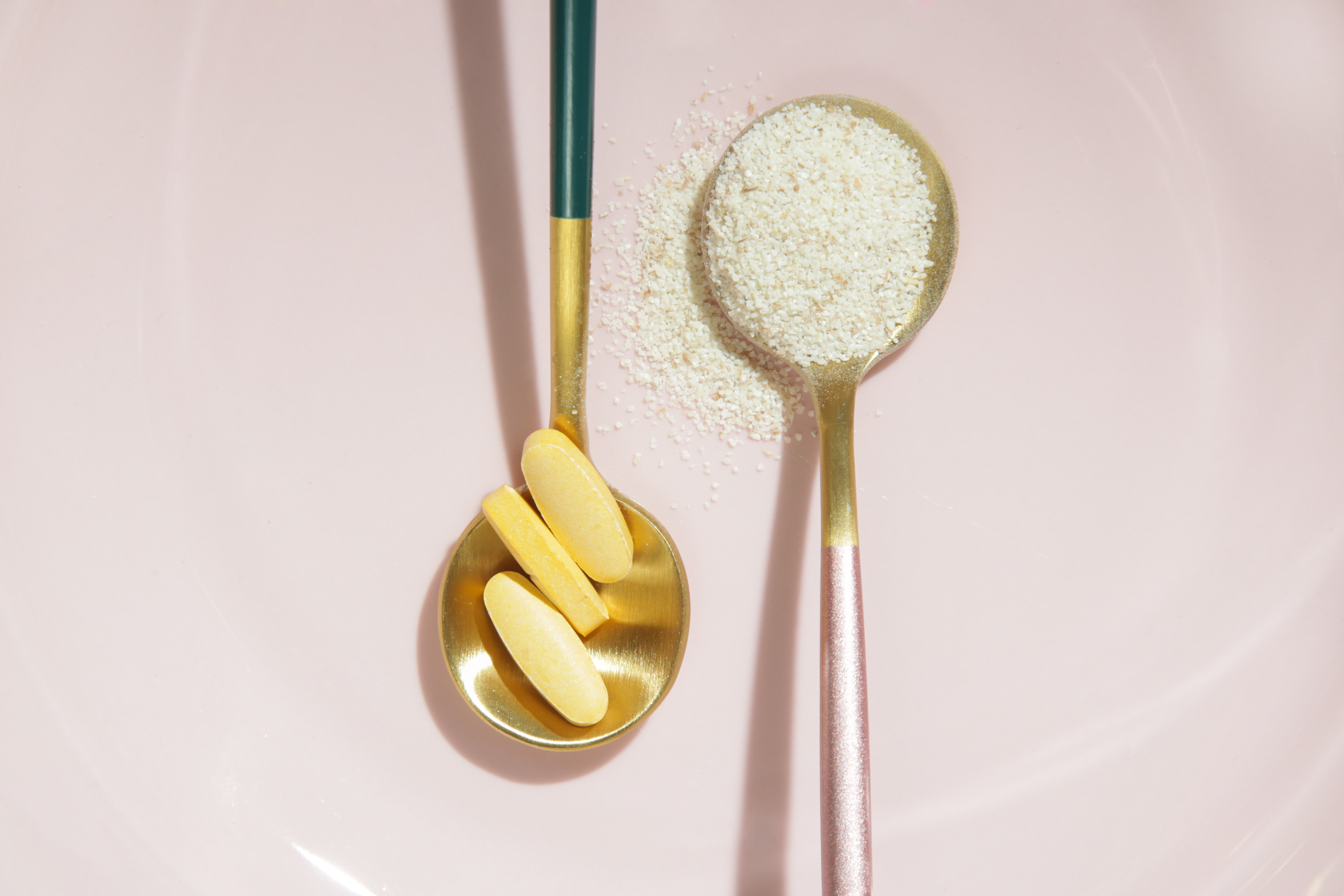 As the beauty-from-within category matures, Gaviria expects heightened focus on transparency around products’ bioavailability and active dose.A second, more relevant endpoint is “recovery kinetics,” which refers to the time it takes to restore barrier function after tape stripping, or resolution of erythema after UV challenge. “This shifts beauty-from-within from static improvement to resilience — a more meaningful physiological benefit,” Gaviria explains.
The third and most relevant endpoint he highlights is low-grade, subclinical inflammation (inflammaging). “This is non-visible but measurable via cytokine profiles (IL-6, IL-1β, TNF-α) or biomarkers like high-sensitivity C-reactive protein (hs-CRP) in relation to skin. Chronic, low-level dermal inflammation drives matrix degradation and pigmentation dysregulation. Reducing it is a higher-order benefit than surface antioxidant capacity.”
He adds that the focus on appearance alone — such as wrinkle counts and photo-scoring — will not disappear, but will be demoted to a secondary outcome, not a primary claim of efficacy on product labels.
Formulating stand-out products
As the beauty-from-within category matures, Gaviria highlights three clear filters that will distinguish products with meaningful physiological benefits from those driven primarily by marketing claims.
“Firstly is a product’s mechanistic plausibility beyond the ingredient level. Meaningful products will show how an ingredient engages a known skin pathway (such as Nrf2 activation, MMP inhibition, fibroblast senescence reduction) with human-relevant dosing. Marketing-driven products will rely on ‘contains antioxidant-rich X’ without absorption or target engagement data.”
Secondly, he anticipates scientific claims will focus on human endpoints that reflect function, not just self-reported outcomes. “Products with real benefits will cite at least one blinded, placebo-controlled study using instrumental measures, such as TEWL, ultrasound density, or confocal microscopy for collagen. Marketing-driven products will lean on ‘90% of users felt smoother skin’ or before-and-after photos with variable lighting.”
Thirdly, he expects heightened focus on transparency around products’ bioavailability and active dose. “Meaningful products will tell you how much of the active form reaches target tissue, or at least show a dose-response in human biomarkers. For instance, ‘increased SOD activity in erythrocytes’.”
Meanwhile, he adds that marketing-driven products will “proprietary blend” or list ingredients at theoretical, non-demonstrated doses.
“The category will be split into cosmetic nutraceuticals (low risk, low evidence, and high narrative) and functional dermatology products (targeted, dosed, and tested),” he concludes. “The former will win on shelf-talk. The latter will win on repeat purchase from informed consumers.”