




US researchers develop tool to advance probiotic supplement formulation and effectiveness


Key takeaways
- Research finds that over half of the 352 US drugstore probiotic supplements analyzed contained only one bacterial species, with 36 unique species found across all products.
- The US FDA has approved two microbial products for therapeutic use, leaving most probiotic supplements under looser regulatory oversight.
- UVA researchers developed HaPaPro, a computational tool using 1,000+ models to identify beneficial microbes and guide more targeted probiotic formulations.

An analysis of over 350 products from US drugstores has found that probiotic supplements contain limited microbial diversity and lack a clear link to the intended health benefit. To advance microbiome health solutions, the study researchers created HaPaPro, a tool that identifies beneficial microbes using over 1,000 computer models.
Researchers from the University of Virginia (UVA) School of Medicine in the US reveal that 36 unique bacterial species dominate over 352 over-the-counter supplements found across the three largest pharmacy chains across the US. The most common species were strains of Lactobacillus, which are commonly found in yogurt.
Furthermore, the team flags inconsistent product claims linked to gut health and vaginal health since many products contained a single species. With HaPaPro, they aim to advance probiotic solutions to address health issues through more targeted probiotic formulations. Their approach goes beyond empirical strain supplementation toward “functional, evidence-based ecological interventions.”
According to the study, more than half the products contained only one probiotic species, while products with the most unique species topped at 17. It highlights that the number of bacterial strains across products was varied, with some brands being more consistent than others.
Based on these findings, the researchers conclude that products are not consistent in the combination of species used to support health claims.
The pace of innovation and regulation
Probiotic products have boomed over the past two decades, according to the researchers. Currently, the US FDA has only approved two microbial products for therapeutic purposes, which are used to treat Clostridioides difficile infections in the colon. “Therapeutic purposes” refers to a drug or biological product designed to mitigate, treat, or prevent a disease.
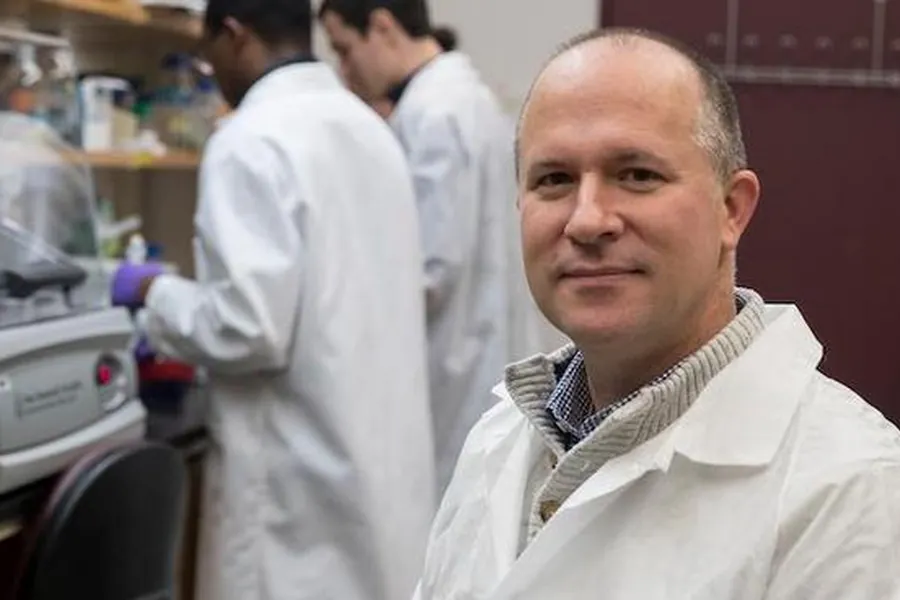 Lead researcher Jason Papin, Ph.D. (Image credit: UVA Health).However, supplements in the US are not as strictly regulated as drugs, notes the Nature Microbiology study. For example, unlike pharmaceuticals, the FDA does not require premarket approval of dietary supplement products, only for new ingredients and health claims used in those products.
Furthermore, the researchers highlight that there are more microorganisms on and inside humans than the number of their cells.
“It is truly fascinating to discover that these probiotic bacteria hold a unique, specialized niche among the trillions of microbes in and on the human body,” comments Glynis Kolling, Ph.D., research faculty member in UVA’s Department of Biomedical Engineering.
“By combining our advanced methods, we have the potential to vastly expand the pool of beneficial bacteria and pave the way for targeted solutions to support human health.”
New tool for probiotic enhancement
To improve probiotic product effectiveness, the team’s HaPaPro was made based on models of bacterial metabolism.
They used the model to successfully identify probiotics carrying the potential to improve women’s vaginal health by inhibiting the pathobiont Gardnerella vaginalis using d-lactic acid. Pathobionts are microorganisms, native to a host’s microbiome, that can cause harm under certain circumstances.
The paper details: “We demonstrated that not only Lactobacillus species but also certain non-lactic acid bacteria, including Anaerococcus lactolyticus and A. tetradius, can produce sufficient d-lactate to suppress pathogen growth. This finding shifts the focus from simple acidification to the specific accumulation of therapeutic metabolic byproducts.”
“Furthermore, our study highlights a distinction between metabolic capability and colonization potential…This distinction is critical for designing probiotics that can effectively displace pathobionts from protected niches.”
 The most species-rich probiotic product analyzed contained just 17 unique bacterial strains.Bacterial vaginosis occurs as a result of disruption to the microbiome, which could lead to pregnancy complications, pelvic inflammatory disease, a higher risk of sexually transmitted diseases, and general discomfort.
“It is remarkable how much microbes play a role in human health and well-being,” comments lead researcher Jason Papin, Ph.D., a UVA professor of Biomedical Engineering. “I love seeing how computational models of these complex biological systems are leading to new ideas for therapies and helping us understand such fundamental biological processes.”
Recent probiotic advances
Research and innovation on probiotics are continuously advancing. Recently, a 12-week probiotic regimen was found to modestly reduce depression and anxiety in adults over 60 receiving standard care, compared to a placebo.
Meanwhile, a three-month study found that consuming Morinaga Milk’s BB536 probiotic yogurt alongside a healthier diet and exercise habits slowed the pace of biological aging by 2.2% in overweight men.
This month, Designs for Health unveiled a daily synbiotic combining live Akkermansia muciniphila and ADM’s BPL1 postbiotic to naturally support GLP-1 production and metabolic health.