




Gnosis by Lesaffre champions women’s health supplements at Expo West 2026

Key takeaways
- Gnosis by Lesaffre is showcasing a holistic approach to women’s health at Expo West 2026, focusing on lifelong wellness across multiple systems.
- The company highlights innovations in multifunctional ingredients, such as SAMe and vitamin K2, to address interconnected biological pathways for women’s health.
- As consumer demand grows for personalized, bioavailable solutions, Gnosis emphasizes the importance of bioactive folate for optimal efficacy across life stages.
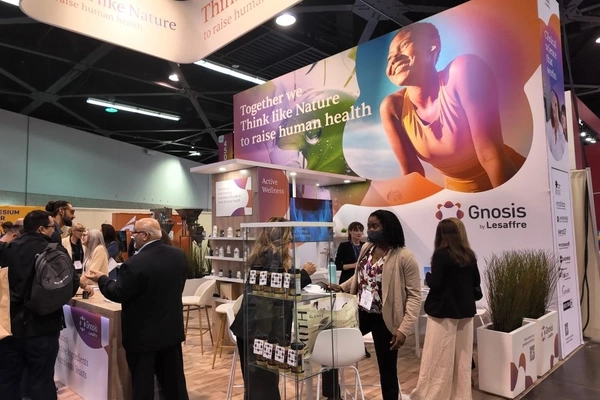
Women’s health is taking center stage at the ongoing Natural Products Expo West 2026 trade show. Gnosis by Lesaffre is showcasing women’s wellness ingredients that support prenatal health, digestion, and bone density, as well as heart, vaginal, and brain health.
On the showroom floor in Anaheim, California, US, Nutrition Insight catches up with Alina Slotnik, the company’s marketing director for the Americas, to discuss opportunities to address women’s health needs and consumer demands.
“Women’s wellness is moving beyond prenatal and menopause silos toward a continuous, lifecycle-driven approach to health. Women today are taking greater ownership of their well-being, prioritizing proactive self-care and everyday health needs that extend well beyond hormonal milestones.”

Slotnik says this shift is reflected in supplement use, with a majority of women worldwide taking supplements to stay healthy. “Increasingly, women’s top concerns include weight management, stress, digestive, and metabolic health, often ranking ahead of hormone balance — underscoring demand for more holistic solutions.”
She notes that the nutrition industry is responding with innovations, signaling momentum for these products. For example, Innova Market Insights data indicates a 6% annual growth in supplement launches with women’s health positionings between October 2022 and September 2025. Nearly half of these were women’s specialty products.
“At Gnosis by Lesaffre, we define women’s wellness as foundational support that adapts across life stages, grounded in science-backed ingredients that support core systems such as bone, cardiovascular, vaginal, digestive, and microbiome health,” details Slotnik.
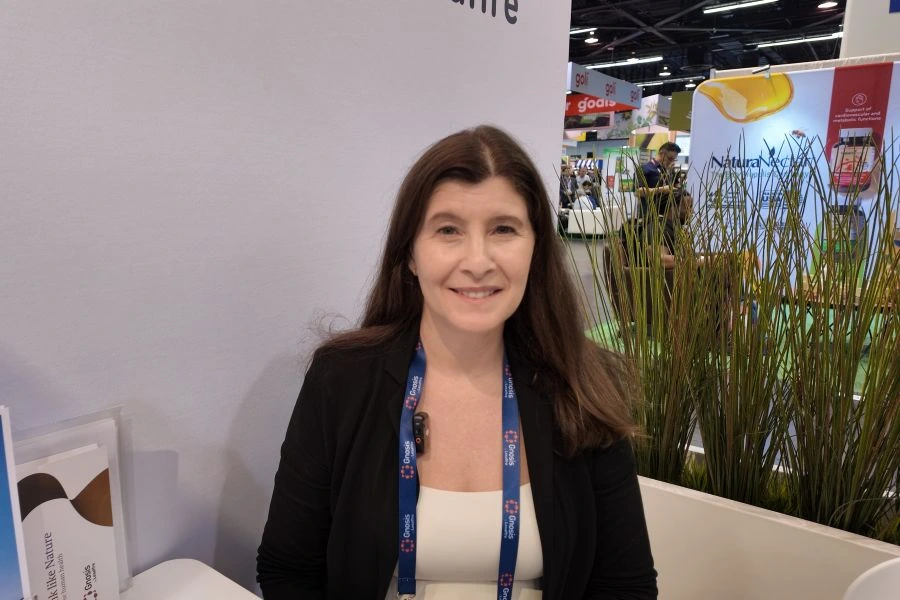 Alina Slotnik, marketing director for the Americas, says women increasingly want multifunctional solutions, with multivitamins remaining the most popular format.“By focusing on clinically validated, lifecycle-relevant solutions, we aim to move beyond stage-specific narratives and empower women to thrive at every stage of life.”
Multifunctional solutions
According to Slotnik, multi-benefit ingredients that address root biological pathways and long-term, systems-level health instead of isolated symptoms are defining the evolving landscape of women’s health.
“We’re seeing clear momentum toward dual-benefit ingredients that reflect the interconnected nature of women’s health. Women increasingly want efficient, multifunctional solutions rather than single-issue products, especially as they balance multiple health priorities.”
She highlights that this demand is reflected in broader innovation trends, as multivitamins remain the most popular format among women and new products increasingly combine complementary claims.
“Bone and cardiovascular health are a strong example: both are top concerns for women and are biologically linked, particularly as estrogen declines, making separate solutions less relevant.”
For example, the company’s MenaQ7 vitamin K2 solution also responds to the shift, as it supports bone density and arterial flexibility through a single clinically validated mechanism.
Gnosis by Lesaffre’s clinical evidence confirms cardiovascular benefits for this ingredient, as it helps the body utilize calcium and inhibit calcification. Slotnik notes that the company’s research partners are exploring a connection to brain health, with seven trials underway. Based on identified associations, the team can explore underserved market segments.
She also points to Gnosis by Lesaffre’s Adonat Premium SAMe (S-adenosyl-L-methionine) as exemplifying a shift to ingredients that work upstream, addressing shared biological roots and delivering clinically validated benefits across multiple health systems.
 As Quatrefolic contains the bioactive form of folate, it bypasses an enzyme-dependent conversion of folic acid into 5-MTHF.“As a key methyl donor in one-carbon metabolism, SAMe supports more than 100 biochemical reactions. By targeting foundational pathways, SAMe delivers benefits across mood and cognitive health, cardiovascular support, joint and bone health, and menopausal comfort — without requiring multiple single-ingredient products.”
Bioactive folate
Slotnik urges brands to rethink how folate is formulated and dosed, as women’s health increasingly prioritizes personalization and bioavailability.
“This is especially relevant as B vitamins are the fastest-growing active ingredient subcategory in women’s health supplements, with folate among the most widely used and rapidly expanding.”
One of Gnosis by Lesaffre’s featured solutions at Expo West 2026 is Quatrefolic. Slotnik notes that this stabilized bioactive folate form — 5-methyltetrahydrofolate or 5-MTHF — delivers consistent bioavailability across genetic profiles.
Where folic acid has been the standard form of vitamin B9, she explains that 40% of the population cannot efficiently convert it into 5-MTHF, which can limit efficacy and contribute to elevated homocysteine levels linked to fertility, cardiovascular, and pregnancy-related concerns.
Quatrefolic bypasses this enzyme-dependent conversion. “This makes it a more inclusive and reliable option for women at every life stage, as well as for brands seeking consistent performance globally.”
“Ultimately, rethinking folate means moving beyond legacy ingredients toward active forms that support foundational processes like DNA synthesis and methylation throughout a woman’s lifecycle,” underscores Slotnik. “By adopting bioactive folate solutions like Quatrefolic, brands can better align with modern expectations for efficacy, personalization, and transparency.”
Innovating for the vaginal microbiome
Slotnik highlights vaginal health as another key women’s health area. She says a growing awareness of the vaginal microbiome is reshaping women’s probiotic innovation, shifting from a generalized gut health focus to targeted, site-specific solutions that address real-world intimate health concerns.
“This shift is reflected in market data: in 2024, more than half of women’s health supplements containing probiotics targeted vaginal health, with strong growth in products addressing vaginal and urinary tract support.”
 According to Slotnik, more than half of women’s health supplements containing probiotics targeted vaginal health in 2024.She notes that this momentum is driven by a deeper scientific understanding that the vaginal microbiome is distinct, dynamic, and highly sensitive to hormones, life stage, and external stressors.
“Disruptions to this ecosystem can allow opportunistic organisms, such as Candida albicans, to overgrow, leading to vulvovaginal candidiasis, a condition affecting roughly 75% of women at least once,” explains Slotnik.
“As a result, innovation is moving away from broad-spectrum probiotics toward targeted solutions that actively address specific microbial imbalances, rather than simply adding bacteria.”
For example, Gnosis by Lesaffre’s Quatreflora, a specialized probiotic yeast, has been clinically shown to benefit women with yeast infections caused by C. albicans, offering benefits over probiotic supplements for mitigating C. albicans overgrowth.
Meanwhile, Slotnik says that women are becoming more “microbiome-literate” and increasingly view intimate health as part of a whole-body microbial system rather than an isolated issue. “This has elevated demand for clinically validated, mechanism-driven probiotic approaches designed to support microbial balance across interconnected systems.”
Digestive GLP-1 support
Digestive support is becoming a core companion strategy for women using GLP-1 medications, says Slotnik. She notes that women are both more likely to use GLP-1s and more biologically predisposed to digestive disorders, with conditions like irritable bowel syndrome (IBS) occurring two to six times more often than in men.
“GLP-1 therapies slow gastric emptying and alter gut motility, making nausea, bloating, constipation, diarrhea, and abdominal pain common reasons for discontinuation. For women already managing IBS-like symptoms, digestive support plays a vital role in maintaining comfort and adherence.”
Gnosis by Lesaffre’s ibSium exemplifies an ingredient gaining traction in this space, according to Slotnik. “Supported by multiple clinical trials and a meta-analysis, ibSium has demonstrated significant reductions in abdominal pain and bowel irregularity, with 77% of users reporting improvement within 15 days and a meaningful subset experiencing relief within just five days.”
She says that this type of evidence-backed digestive support is crucial for women navigating GLP-1 therapy alongside IBS-like symptoms.
“As GLP-1 use continues to rise, brands that proactively integrate digestive comfort into women’s health and weight-management platforms will be best positioned to meet evolving consumer needs.”