


UK bans high-sugar and deep-fried foods from school menus to boost children’s health

Key takeaways
- The UK bans high-sugar and deep-fried foods from school menus, replacing them with fruit, vegetables, and whole grains to address obesity, as one in three primary school children is overweight.
- The plan launches 500 free breakfast clubs for 142,000 kids, with full enforcement in September 2027.
- Schools may be required to post menus online and appoint food governors to address 74% of parents’ nutrition concerns.

The UK has removed high-sugar and deep-fried foods from school menus, marking the first overhaul of School Food Standards in over ten years. According to the government, millions of children are expected to benefit, as one in three primary school children is overweight and obese in the nation.
“Today we are launching the most ambitious overhaul of school food in a generation, and it is long overdue,” comments Education Secretary Bridget Phillipson.
“Every child deserves to have delicious, nutritious food at school that gives them the energy to concentrate, learn, and thrive — meals that children will actually recognize and enjoy, backed by robust compliance so that good standards on paper become good food on the plate.”

The sweet and fried treats continue to be featured on school menus despite sugar-related tooth decay being the leading cause of hospital admissions in children aged five to nine.
To protect children’s health, the new standards aim to limit food high in fat, salt, and sugar while increasing fruit, vegetables, and whole grains on children’s plates, from breakfast through lunch. The consultation, developed with nutritionists and public health experts, will also promote healthier alternatives through a nine-week consultation process with parents and children.
The standards will launch over 500 new free breakfast clubs this month, creating places for up to 142,000 children. Until now, free breakfast clubs have existed in 750 schools, helping parents annually save up to £450 (US$608) and gain up to 95 hours of time.
The government will release full details this September, with enforcement in place from September 2027.
“From our Free Breakfast Clubs to extending Free School Meals to over half a million more children, this means good-quality food from the moment children arrive at school to the end of the day,” says Phillipson.
What’s out and what’s in
Schools are restricted from offering unhealthy “grab and go” options like sausage rolls and pizza every day under the standards, while deep-fried food will be banned.
Additionally, fruit must be served instead of sugary treats during the majority of the school week.
“Children are consuming twice the recommended amount of free sugar, and offering more nutritious meals at school is a great way of ensuring they eat healthier food,” says Health Minister Sharon Hodgson.
“We’re determined to reduce the child obesity epidemic and the new School Food Standards represent another piece in a jigsaw of measures designed to help raise the healthiest generation of children ever.”
The government shares examples of menus that include colorful, tasty, health-packed meals, such as spaghetti Bolognese, Mexican-style burritos, cottage pie with root-veg mash, jerk chicken with rice and peas, and roasted chickpea, vegetable, and mozzarella wraps.
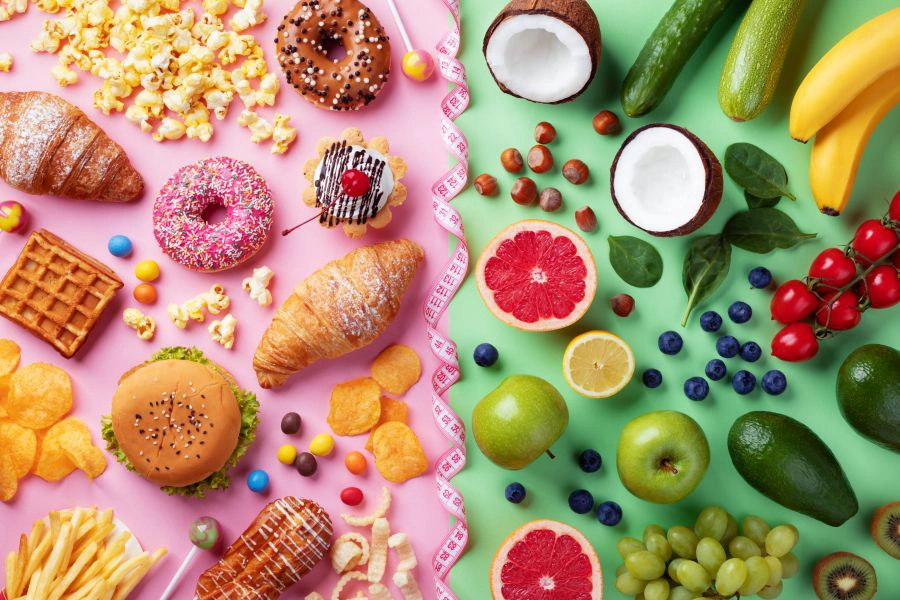 New standards boost fruit and whole-grain-free breakfasts, and enforcement ensures healthier plates.Alongside the nine-week consultation, the government has launched a new national enforcement mechanism to monitor the new standards and ensure their consistent application.
Access to more information
The school menu overhaul comes after parents and campaigners called for change. Polls reveal 74% of parents have at least one concern about their child’s nutrition: too much sugar (43%), excess fatty foods (24%), and not enough fruit and vegetables (30%).
The government wants schools to appoint a lead governor to be responsible for school food and for every school to publish its menus and food policy online. This is because 50% of parents in the UK report that they don’t get enough information about what foods are provided to their children.
By publishing the food menus and policy, the government says parents, pupils, and communities can hold schools accountable.
“I am absolutely thrilled that the government is changing the School Food Standards to make sure that every child has delicious, nutritious school food that they deserve,” comments Dame Emma Thompson, actor and Food Foundation ambassador.
“School meals are a golden opportunity to support children’s health, learning, and well-being — and getting this right means children across the country can truly thrive. This is a landmark moment for families, for the National Health Service, and for the future of our young people.”
Jamie Oliver, chef and campaigner, says: “Twenty years ago, dog food had higher standards than school dinners. I’ve been banging the drum ever since because I refuse to accept our kids being fed anything less than proper, nourishing meals.”
“School food is the UK’s most important restaurant chain. From September, during term time, schools will provide two-thirds of a child’s daily diet — a massive opportunity to improve health at scale. My Good School Food Awards prove that world-class meals are possible right now, and every child deserves that same quality.”
Advocate support
The government shares that there will be some time for schools to develop recipes, update menus, and train staff in secondary schools. But schools that are ready to adopt the new standards are encouraged to make immediate changes.
“September can mark the start of a new normal, where every child can count on a lunch that is both delicious and nutritious, and every parent can have real confidence in what’s being served,” says Henry Dimbleby, former government food tsar, author of the Independent National Food Strategy, and co-founder of Bramble Partners and Leon.
“Done right, it will boost children’s health, their academic outcomes, and their chances of success in later life. But it will only work if the government sticks to the timetable set out today — and if schools and caterers are backed to deliver and hold to it.”
Naomi Duncan, chief executive at Chefs in Schools, one of the lead partners of the School Food Project, adds: “More fruit, veg, and fiber will be served so that young people get all the goodness they need to grow up healthy and thrive.”
“To make the most of this opportunity and ensure our young people are getting the lunch they deserve, we’re also hugely excited to announce the philanthropy-funded School Food Project.”
Recent research has found that healthy, sustainable school meal programs can slash deaths by millions.
Hilary Priest, headteacher at The Grove School in Devon, comments: “We’re incredibly proud to be the first school in Devon to partner with Chefs in Schools… We’re changing our whole school culture around food — from the curriculum to the kitchen garden, where children will grow produce for their own meals and meet the local producers who supply us.”
The standards have been lauded by several chefs, school leaders, and organizations, such as The Food Foundation, School Food Matters, Wahaca, Bite Back, Obesity Health Alliance, The School Food People, Parentkind, Children’s Food Campaign, and National Governance Association.
In related news, Jamaica, Spain, and Mexico have taken action to make school meals healthier for children. Last year, Wales consulted experts on reforming school meals while Ukraine expanded kitchen hubs.
In the US, a letter signed by 300 clinicians and scientists urged the US Department of Agriculture to remove processed meats from school meals as the nation updates its school nutrition standards.