





SupplySide Global 2026: Kerry backs life-stage women’s health and targeted gut health

Key takeaways
- Kerry sees women’s health shifts toward life-stage-specific, multibenefit solutions, spotlighting hormonal health as a key growth area and targeted product concepts at SupplySide Global 2026.
- The company notes that microbiome innovation is moving beyond broad gut health claims toward benefits along the gut-immune, gut-skin, and women’s health axes.
- Kerry says successful functional nutrition aligns clinical evidence and effective dosing with taste, stability, convenient formats, and responsible consumer communication.
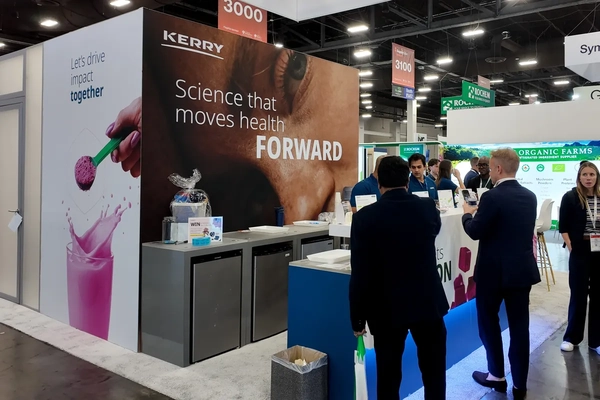
Product innovations for women’s health and the gut microbiome are becoming more targeted as consumers seek solutions tailored to specific life stages, health needs, and daily routines.
At the ongoing SupplySide Global 2026 trade show (Oct 28–30) in Las Vegas, Nevada, US, the company is showcasing concepts that combine science-backed ingredients with its formulation, taste, and delivery expertise across women’s, digestive, and immune health.
On the show floor, Amy Smith, Ph.D., senior director of medical affairs at Kerry, tells Nutrition Insight that women’s health is a central focus for the company at SupplySide Global 2026, where today Kerry also hosts the session “Supporting Women’s Health Through Every Life Stage.”

“Discussions with brands and formulators center on credible clinical substantiation, life-stage-specific and multibenefit solutions, biotics beyond traditional digestive positioning, and the expansion of functional nutrition into convenient everyday formats,” says Smith.
Kerry is also speaking with visitors on the recurring challenge of translating complex science into products that are practical to formulate, responsibly positioned, and enjoyable enough to become part of consumers’ daily routines.
In line with this theme, the company presents seven product concepts in supplements, foods, and beverages at the event, under the banner “Science That Moves Health Forward.”
These include a savory snack with BC30 probiotic (Bacillus coagulans GBI-30, 6086), which research links to gastrointestinal comfort. Kerry also showcases a Caronositol Fertility chewable and gummies with Capros, a superfruit extract for heart health.
Additionally, the company is showcasing an easy-digest protein shake for beauty-from-within hydration with Kerry’s Plenibiotic postbiotic, menopause chews with Sensoril ashwagandha extract, and an immune fast-melt with its Wellmune postbiotic.
Hormonal health developments
Within women’s health, Kerry is highlighting hormonal support across all life stages, which the company notes is one of “the industry’s biggest growth areas.”
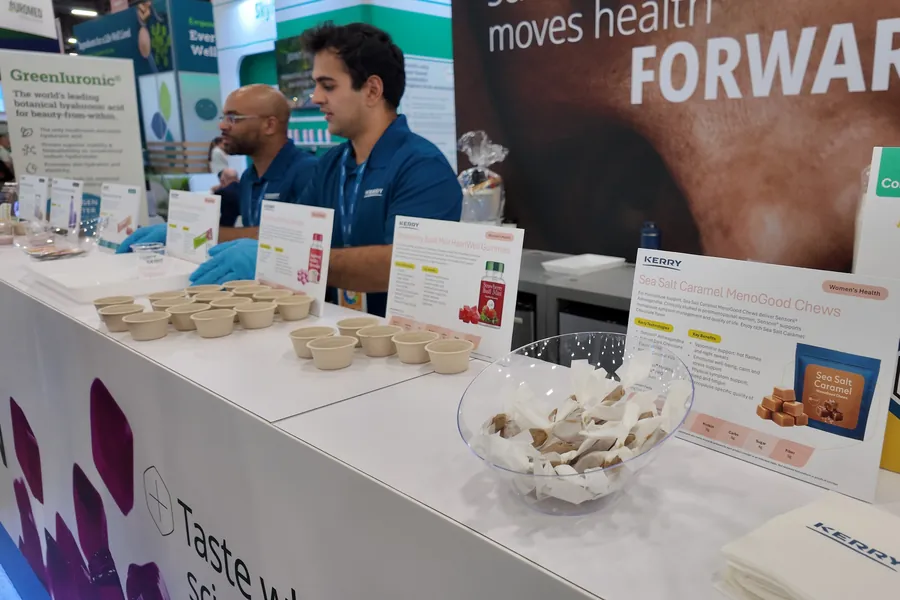 Kerry is showcasing a savory snack with BC30, a Caronositol Fertility chewable, Sensoril menopause chews, and a protein shake with Plenibiotic.Smith says that while consumers are generally becoming more proactive and informed about hormonal health, they are also beginning to see it as more than a single issue or moment in time.
“Expectations are shifting toward a life-stage view that recognizes how needs evolve from the menstrual and reproductive years through perimenopause, menopause, and postmenopause,” she details.
“Consumers are also connecting hormonal health with broader aspects of well-being, including stress, sleep, mood, cognition, digestive and vaginal health, mobility, and healthy aging.”
She says this is creating demand among product developers for more personalized, life-stage-specific, and evidence-led solutions.
“Rather than relying on a broad ‘hormone balance’ message, brands have an opportunity to identify the specific consumer, life stage, and health need, then build an appropriate benefit story, ingredient strategy, format, and evidence plan around it,” says Smith.
Additionally, she says this trend is encouraging more multibenefit concepts. For example, she highlights combinations of mood, sleep, and digestive support during perimenopause, or cognition, mobility, immune health, and beauty-from-within benefits during postmenopause.
“The strongest products will pair responsible, substantiated positioning with convenient formats and an enjoyable consumer experience.”
Women’s health across life stages
Smith points out specific opportunities for developing nutrition solutions that are specific to a woman’s life stage and the benefit she is seeking.
“During the menstrual and reproductive years, this may include support for energy, mood, stress, digestive health, and nutrient adequacy. Pregnancy and postpartum require particularly careful formulation, with a focus on appropriate nutrition, safety, tolerability, and evidence suited to these distinct stages.”
She adds that perimenopause and menopause are driving an especially strong interest in multibenefit products, reflecting the interconnected nature of women’s health.
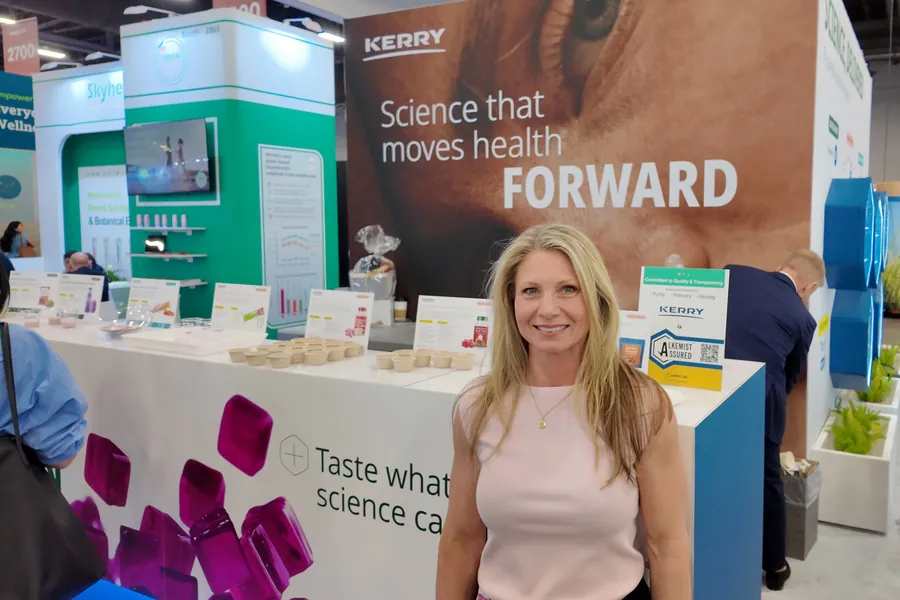 Smith says consumers are connecting hormonal health with well-being, such as stress, sleep, mood, cognition, digestive, and vaginal health.“In healthy aging, the opportunity broadens further to include immune health, muscle and joint function, cognition, and beauty-from-within,” says Smith.
To create such offerings, she recommends that product developers begin with the intended consumer health need, then select ingredients, doses, formats, evidence, and claims that fit that objective.
“Emerging areas such as the relationship between the microbiome and estrogen metabolism are scientifically promising but should be communicated as developing research rather than as established product benefits,” she cautions.
“Across every life stage, the strongest innovations will combine credible science with convenient formats, responsible positioning, and an experience that supports consistent use.”
Targeted gut health
Another key area for growth that Kerry spotlights at SupplySide Global 2026 is gut health. Smith says that the industry is moving from broad “gut health” messaging toward more specific, evidence-led benefits linked to the microbiome.
“Innovation is increasingly exploring the gut-immune, gut-brain, and gut-skin axes, as well as women’s intimate and reproductive health, while consumers are becoming more interested in how different biotics may support distinct needs.”
“For brands, this means moving beyond simply adding a probiotic and instead defining the target consumer, desired outcome, and appropriate technology — whether a probiotic, prebiotic, postbiotic, or another microbiome-focused solution.”
Smith underscores that strain or ingredient specificity, clinically relevant dosing, stability, tolerability, and format are all critical. She cautions that not every biotic delivers the same benefit or performs equally across applications.
“The opportunity is to translate increasingly sophisticated microbiome science into focused, credible products that remain easy to understand and enjoyable to use.”
Differentiating clinical evidence
To ensure that scientific research yields solutions that are meaningful for consumers and practical for brands to formulate with, Kerry first defines the consumer need and the specific benefit a product is intended to deliver.
 According to Smith, the nutrition industry is moving from broad “gut health” messaging toward more specific, evidence-led benefits linked to the microbiome.“From there, the scientific evidence, intended claim, evidence-aligned dose, delivery format, stability, and regulatory fit must work together,” says Smith. “This science-first approach helps ensure that an ingredient is not selected simply because it is on trend, but because it is appropriate for the consumer, application, and market.”
“Kerry then brings together clinical research, consumer insight, regulatory expertise, taste, applications, and formulation support to translate that science into a product people can understand and enjoy,” she adds.
Smith notes that this process helps Kerry create solutions for brands that are supported by credible evidence and are practical to formulate, scalable to manufacture, and suited to responsible, market-appropriate communication.
Convenient delivery formats
Kerry’s product concepts at SupplySide Global 2026 highlight how functional nutrition is expanding into everyday foods and beverages. Smith underscores that brands must deliver a meaningful benefit in formats that consumers genuinely want to use. She says that the strongest products remove the traditional trade-off between health and enjoyment.
“That becomes more complex when formulating for microbiome health, women’s health, or life-stage-related needs, cognition, immunity, and overall well-being, because the evidence-aligned dose still needs to fit within the serving size, sensory profile, and usage occasion,” she details.
“Developers must consider ingredient compatibility, taste and masking, processing conditions, shelf-life stability, dose, tolerability, cost at the effective dose, and the regulatory requirements of each market.”
Smith explains that these factors can behave very differently across a gummy, snack, beverage, powder, or fast-melt format.
“Clear communication is equally important,” she adds. “Consumers need to understand the product benefit without it overstating what the science supports.”
“By combining substantiated ingredient benefits with taste, sensory science, applications, regulatory insight, and commercialization expertise, brands can create convenient products that are credible, appealing, and realistic for consumers to use every day,” Smith concludes.