



Sugary drinks may spike anxiety in adolescents, UK researchers warn


Key takeaways
- UK researchers have found a 34% higher likelihood of anxiety disorders in adolescents who consume sugary drinks regularly.
- The review emphasizes the underexplored mental health impacts of sugary beverages, urging public health initiatives to address this issue.
- Reducing sugary drink intake may help reduce the rising rates of adolescent anxiety disorders.

UK researchers from Bournemouth University have linked consuming highly sugary drinks to anxiety symptoms among adolescents.
Anxiety disorders are a leading cause of mental distress among young people, the researchers argue. One in five children was estimated to have a mental health disorder in 2023, and anxiety was one of the most reported conditions.
The review included surveys conducted between 2000 and 2025 that measured young people’s mental health and their consumption of sugary drinks, including fizzy drinks, energy drinks, sugary juices, squashes, sweetened tea and coffee, and flavored milks.
“With increasing concern about adolescent nutrition, most public health initiatives have emphasized the physical consequences of poor dietary habits, such as obesity and type-2 diabetes,” says Dr. Chloe Casey, lecturer in Nutrition at Bournemouth University and co-author of the study.

“However, the mental health implications of diet have been underexplored by comparison, particularly for drinks that are energy dense but low in nutrients.”
The review, published in the Journal of Human Nutrition and Dietetics, included nine studies that met the criteria, out of which seven found a link between anxiety and sugary drink consumption.
It found that high intake of highly sugary beverages is linked to 34% higher odds of adolescent anxiety disorders. Meanwhile, the data also suggest that reducing the intake may help lessen rising anxiety.
“While we may not be able to confirm at this stage what the direct cause is, this study has identified an unhealthy connection between consumption of sugary drinks and anxiety disorders in young people,” Casey adds.
“Anxiety disorders in adolescence have risen sharply in recent years, so it is important to identify lifestyle habits that can be changed to reduce the risk of this trend continuing.”
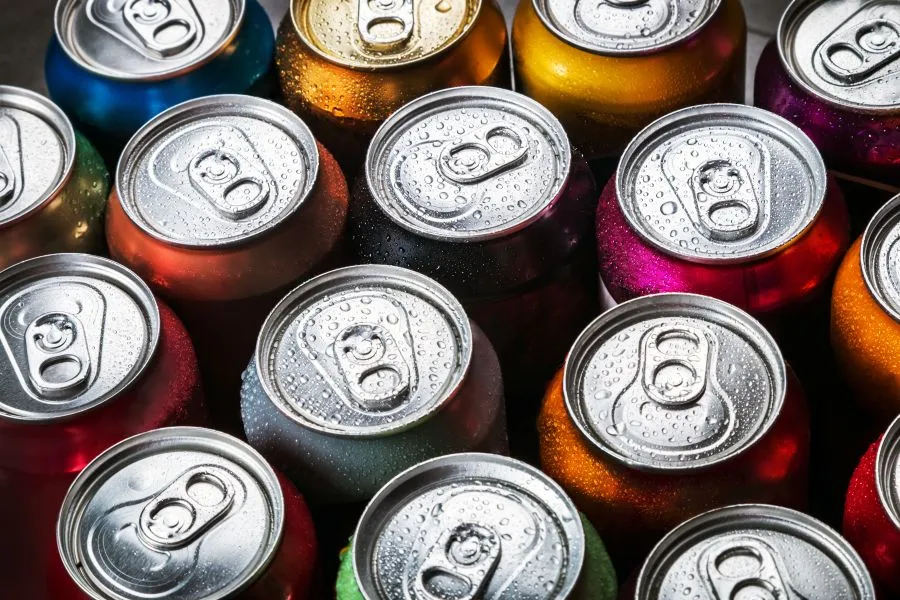 High intake of highly sugary beverages is linked to 34% higher odds of adolescent anxiety disorders.Mental health and nutrition
Prior research found that some artificial sweeteners can negatively impact long-term brain health. These included aspartame, saccharin, acesulfame-K, erythritol, xylitol, sorbitol, and tagatose, which the study linked to a 1.6-year decline in cognition, 62% faster among people consuming the highest amounts compared to a low-consumption group.
Restricting sugar consumption early in life has also been shown to lower the risks for various heart conditions later in adulthood, including heart attack, heart failure, and stroke. A UK study found that people with restricted sugar intake from conception (in utero) to around two years of age (the first 1,000 days of life) had the greatest protection against these risks, including the longest delay in disease onset.
Other studies in diet and mental health have previously linked consuming ultra-processed foods to an increased likelihood of depression.
The authors of the new study urge public health initiatives and clinical interventions aimed at reducing sugary-sweetened beverage intake, as they may help mitigate the rising prevalence of anxiety disorders, specifically among adolescents.